Elbow pain is a common complaint that affects people across many ages and occupations — from weekend hobbyists and manual workers to athletes who perform repetitive overhead or throwing motions. Recent clinical observations and rehabilitation trends emphasize practical strategies that relieve symptoms and restore function. Among these strategies, targeted protective measures show promise for helping recovery when used as part of a coordinated treatment plan.
Elbow anatomy includes several tissues that can be injured: bones, ligaments, tendons, bursae, cartilage and nearby nerves. Because these elements work together, a single symptom such as aching or sharp pain can have several possible causes. Early recognition, appropriate activity changes, and guided rehabilitation reduce the chance that a short-term problem becomes long-term disability.
A careful history and focused physical exam guide diagnosis. Providers look for visible deformity, swelling, limited motion, weakness and signs of nerve involvement. When needed, imaging and electrodiagnostic testing clarify structural or nerve problems. Diagnosis differentiates injuries that respond to conservative measures from those that may require procedural or surgical care.
Conservative management is the step for elbow complaints. Goals are symptom control, restoration of motion, and gradual return of strength and function. Standard components include:
Rehabilitation specialists tailor progression to the individual’s symptoms and activity goals, balancing protection with timely loading to promote tissue adaptation.
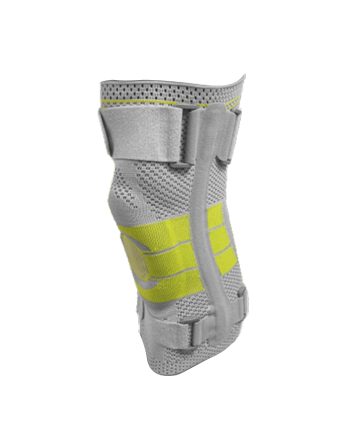
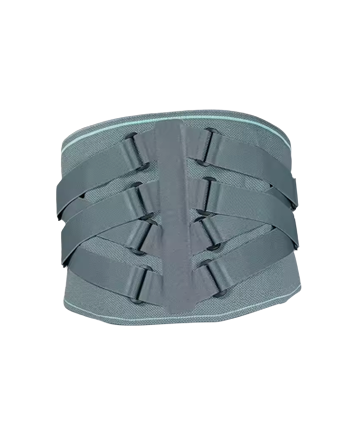
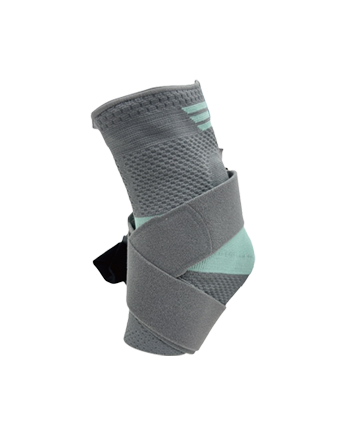
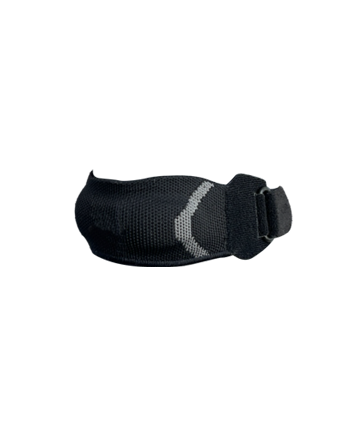
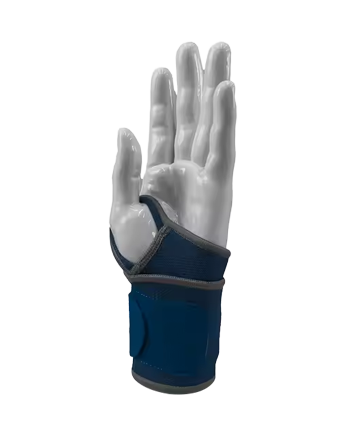
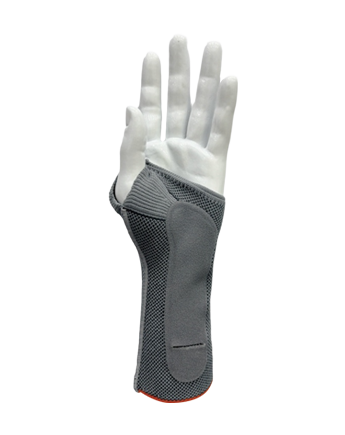
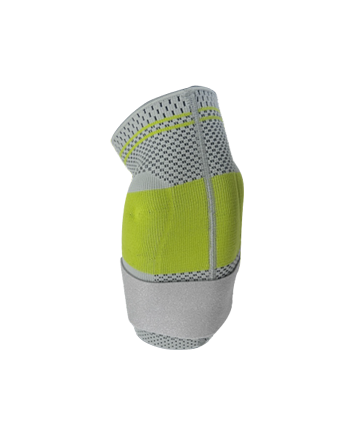
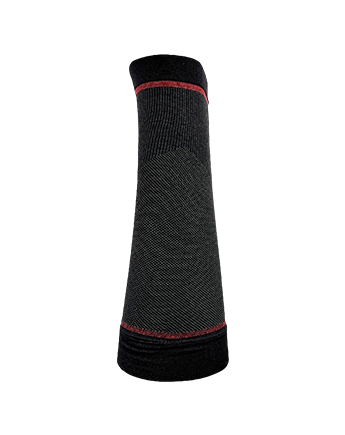
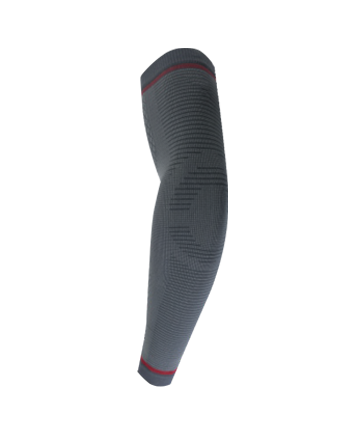
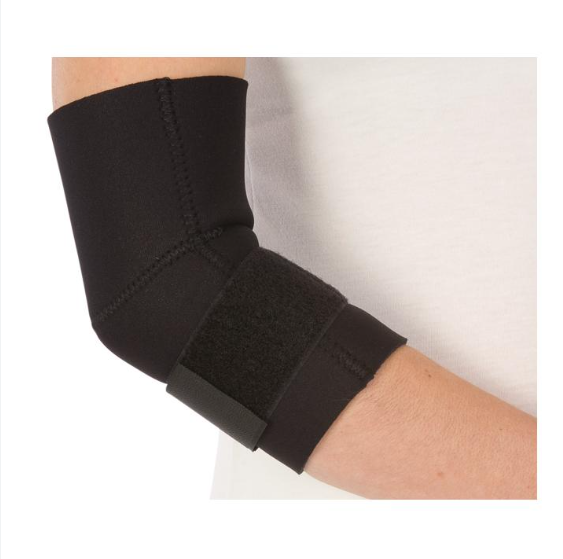
When used alongside guided rehabilitation, supportive devices can help manage symptoms and protect healing tissues. A properly fitted device can:
In clinical practice, Elbow Support is applied as an adjunct — not a replacement — for active therapy. Selection should consider the specific injury, the stage of recovery, and the need to avoid over-reliance that might delay strengthening.
If symptoms persist despite consistent conservative care or if structural damage is suspected, clinicians may discuss additional options. Possible next steps include targeted injections to reduce inflammation, minimally invasive procedures to address specific structural problems, or surgical repair in selected cases. Decisions consider functional needs, expected recovery time, and potential risks.
Preventive strategies focus on workload management, improved technique and physical conditioning:
Early attention to mild symptoms and sensible modifications often prevent escalation to more entrenched problems.
| Condition | Typical Symptom Pattern | First-Line Management |
|---|---|---|
| Fracture / Dislocation | Sudden severe pain, deformity, limited motion | Immobilize, urgent clinical evaluation |
| Tendonitis (e.g., lateral or medial) | Local pain with activity, tenderness at tendon insertion | Rest, activity modification, guided exercise |
| Ligament Sprain / Instability | Pain with certain movements, sense of giving way | Protection, phased rehab, progressive strengthening |
| Bursitis | Swelling over the elbow tip, tenderness | Compression, avoid pressure, short rest |
| Nerve Compression | Numbness, tingling, shooting pain into forearm/hand | Activity changes, nerve-gliding, further testing if needed |
Patients and caregivers benefit from straightforward, stepwise plans:
Clinical practice is increasingly focused on individualized loading programs and movement retraining that restore resilience and reduce recurrence. Combining active rehabilitation, ergonomic adjustments and judicious use of protective measures creates a balanced path back to function. Research continues to refine how timing and dosing of load, along with device selection, influence outcomes.
Clear communication about goals and realistic timelines supports recovery. Protective supports can be an important part of a coordinated plan, but enduring improvement usually follows progressive tissue conditioning and attention to movement quality. When symptoms do not improve or worsen despite consistent efforts, further assessment by a specialist is advised to identify appropriate next steps.
Steriger is a national high-tech enterprise specializing in the R&D and production of high-quality sports supports, medical braces, and sports compression socks.
Copyright © Zhejiang Steriger Sports Medicine Technology Co., Ltd.
The information provided on this website is intended for use only in countries and jurisdictions outside of the People's Republic of China.

Approval No: 浙金药监械生产备20200039号

 English
 Español
 Deutsch
 عربى
عربى Français