Home / Product / Arm Sleeve

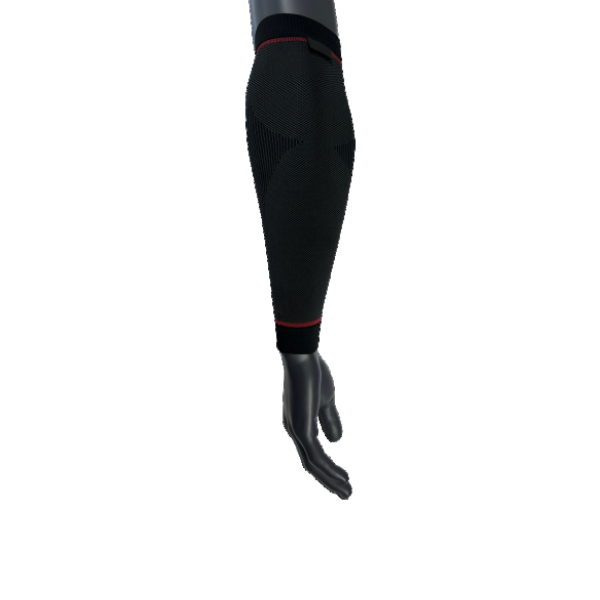
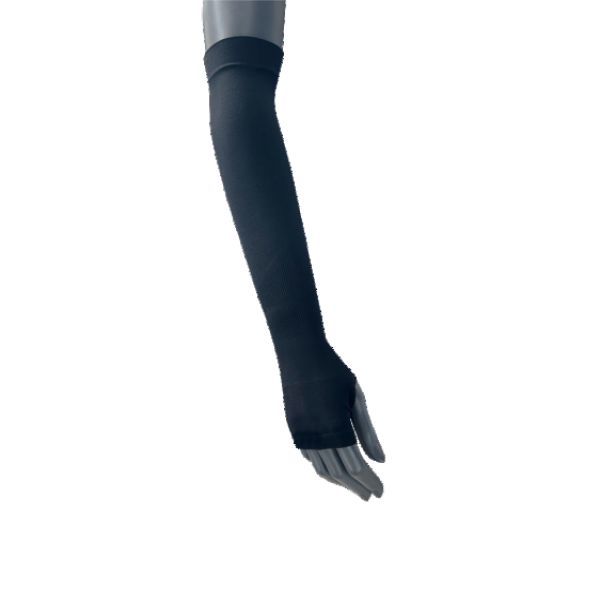
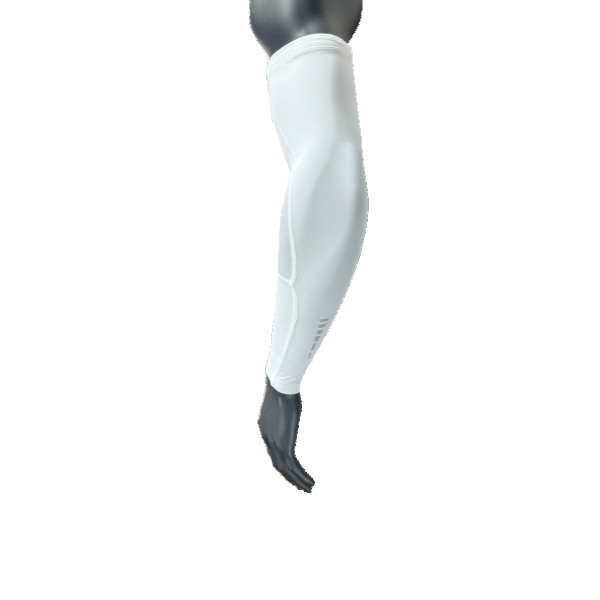
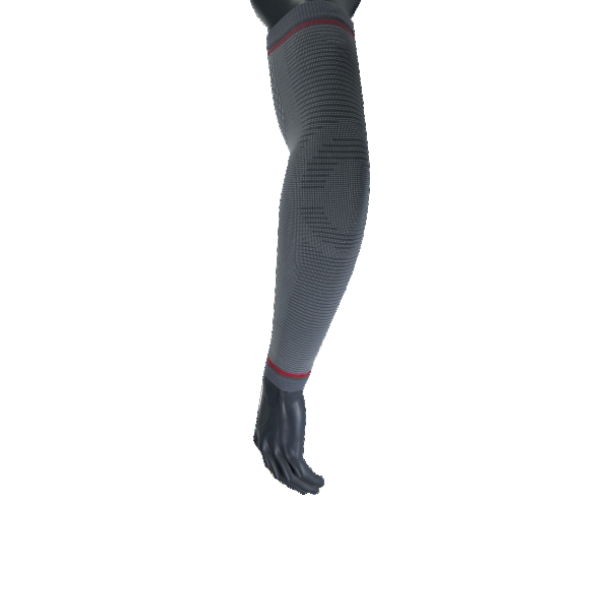
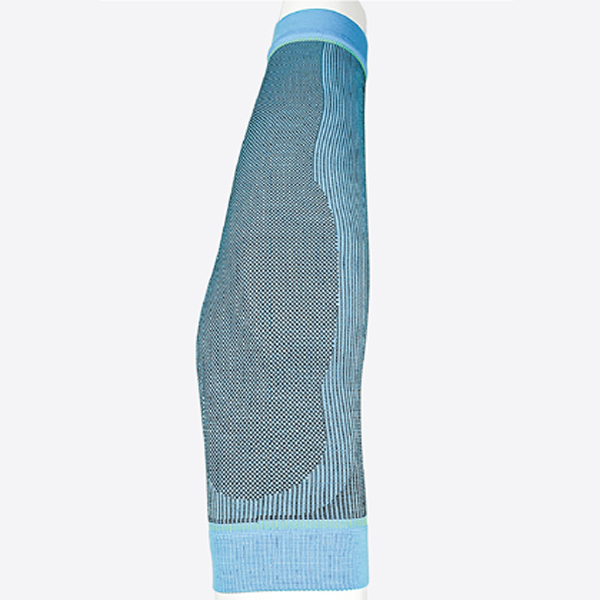
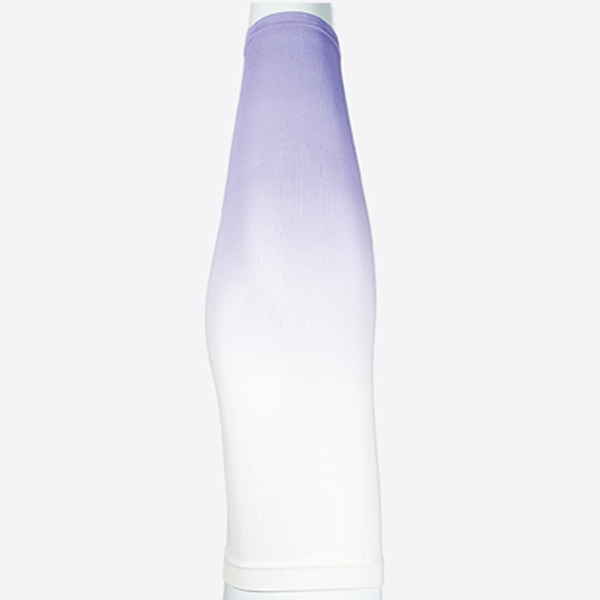
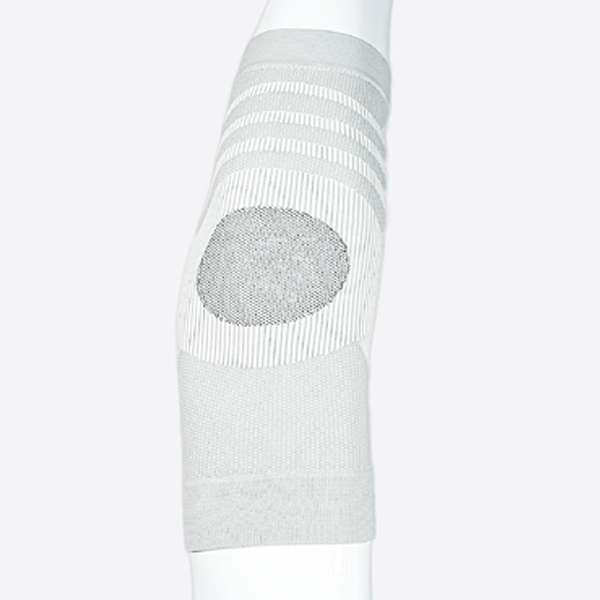
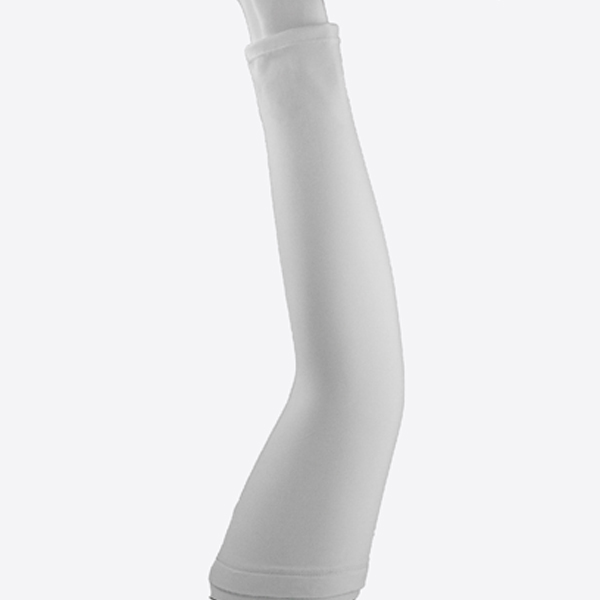
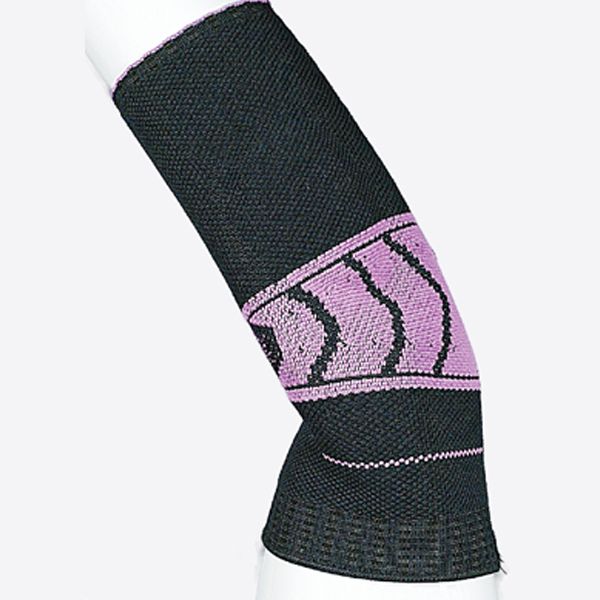
Custom Arm Sleeve for Protection

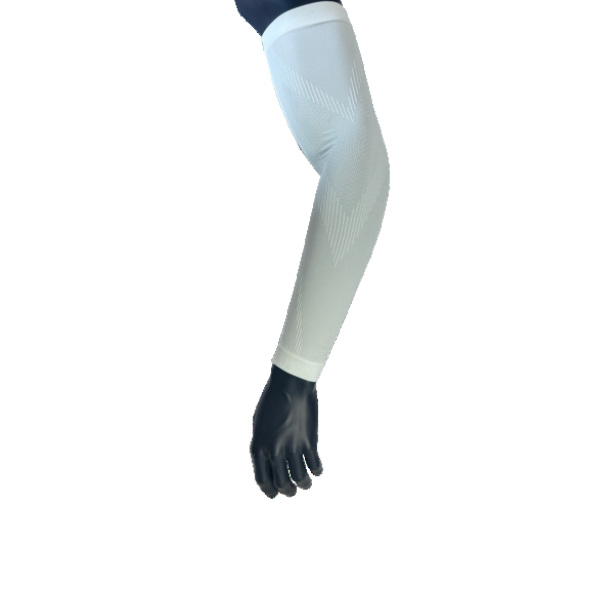
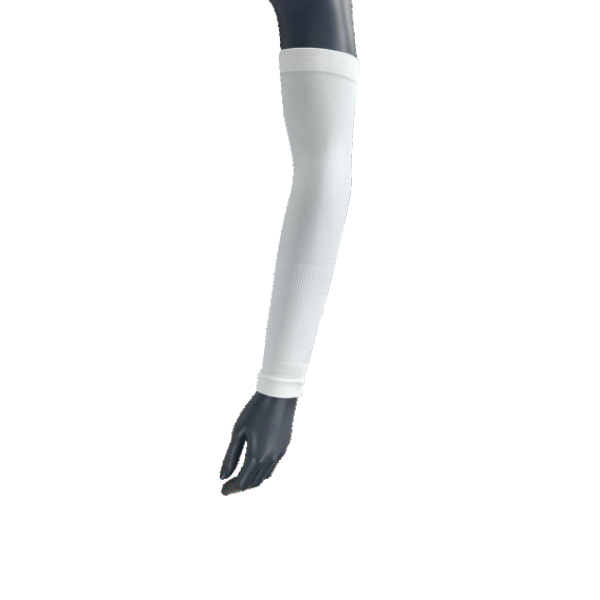
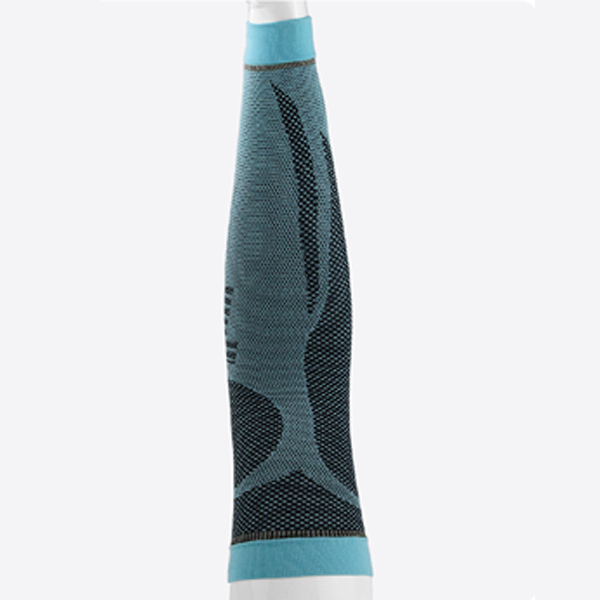
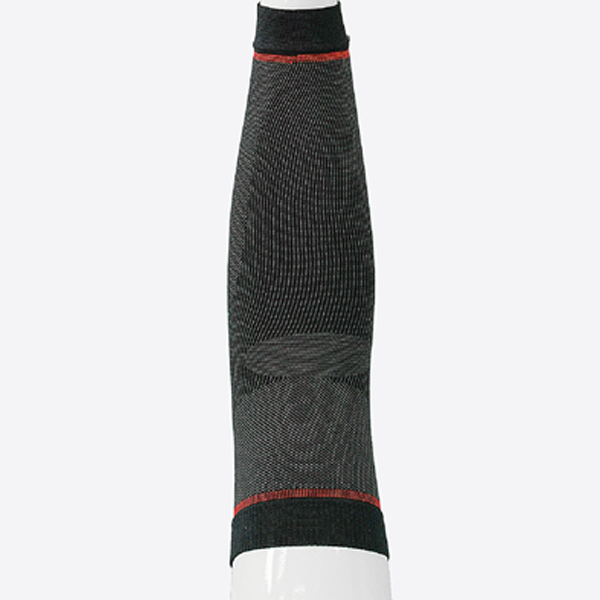
Arm protection sleeves are designed to shield the forearm from impact, abrasions, and strain during sports and other high-intensity activities. Used in fields like archery, martial arts, and rugby, they provide a blend of safety and comfort for athletes. Their value comes from balancing mobility with reliable protection, ensuring the user can move freely without compromising safety.

The production of arm sleeves involves selecting durable, lightweight materials such as synthetic leather, EVA foam, or reinforced plastics. These components offer shock absorption and abrasion resistance while keeping the sleeve comfortable to wear. The design process focuses on ergonomic shaping so the sleeve fits securely without restricting movement. Manufacturers use techniques like molding, stitching, and heat-sealing to create a strong structure, followed by strict quality control. Many brands also offer customization options—adjusted sizing, assorted colors, or team logos—to meet specific athletic needs.

Arm sleeves stand out for their core features: impact protection, breathability, and long-term durability. Padding absorbs shock during activities like archery or contact sports, while interior linings such as neoprene or mesh help manage moisture and prevent irritation. Lightweight construction ensures natural arm movement, and ventilation panels improve airflow during extended training sessions. Adjustable straps allow users to tailor the fit, and some products include reinforced stitching for added longevity. Thanks to these qualities, arm sleeves serve athletes across multiple sports, offering dependable protection and comfort.

Custom Arm Sleeve for Protection

About
Zhejiang Steriger Sports Medicine Technology Co., Ltd.

Zhejiang Steriger Sports Medicine Technology Co., Ltd. is located in Yiwu, China. We have obtained the "National High-tech Enterprise" honor in developing and manufacturing Knee Support Brace, medical braces, Waist Support, and sports protection socks.

Steriger's production plant covers an area of 20 acres and has over 300 employees. We have more than 25,000 square meters of production space and about 30,000 cubic meters of automated warehouse. Up to now, we have over 60 Germany-made STOLL flat knitting machines, over 200 different types of circular knitting machines, and different terry sock machines. We are also equipped with self-developed semi-automatic high-frequency pressing and stamping machines. At the same time, we have implemented SAP, MES, WMS, and other systems to realize the digital management of the whole process, from raw material supply to product delivery.

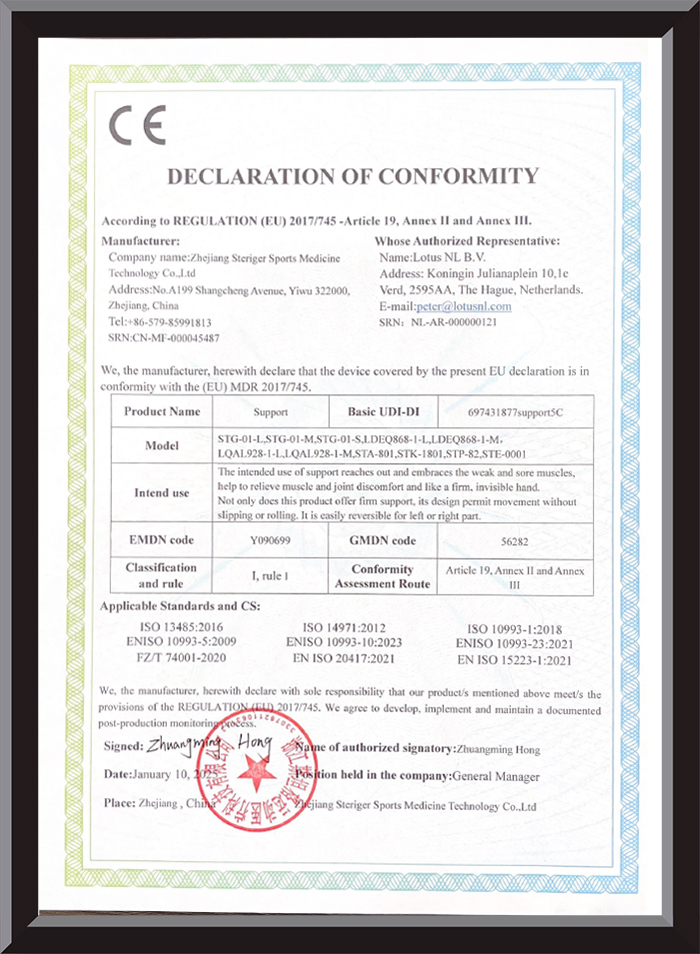
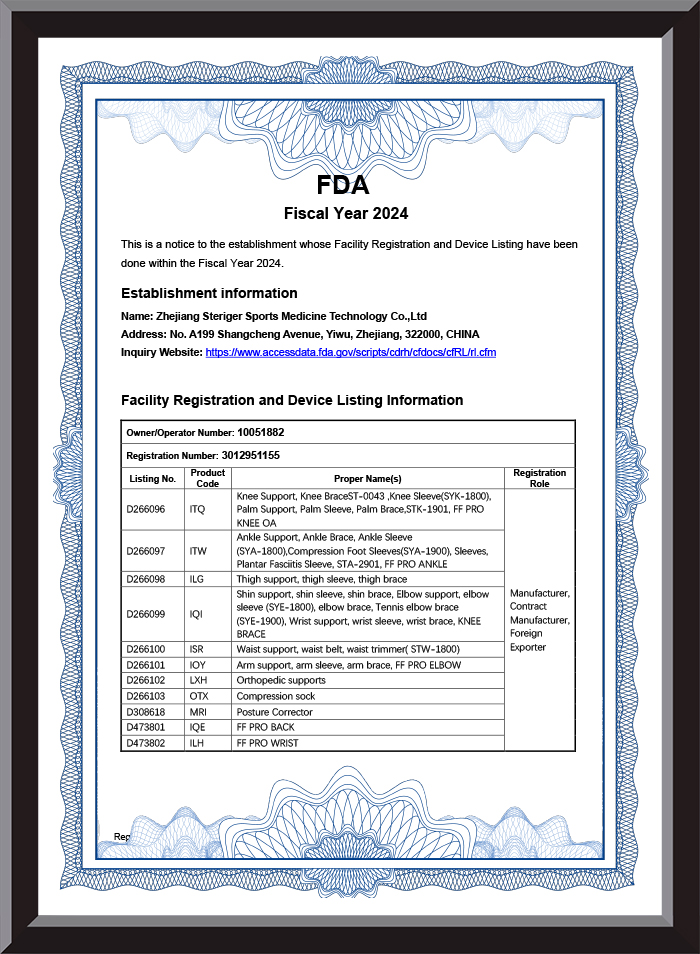
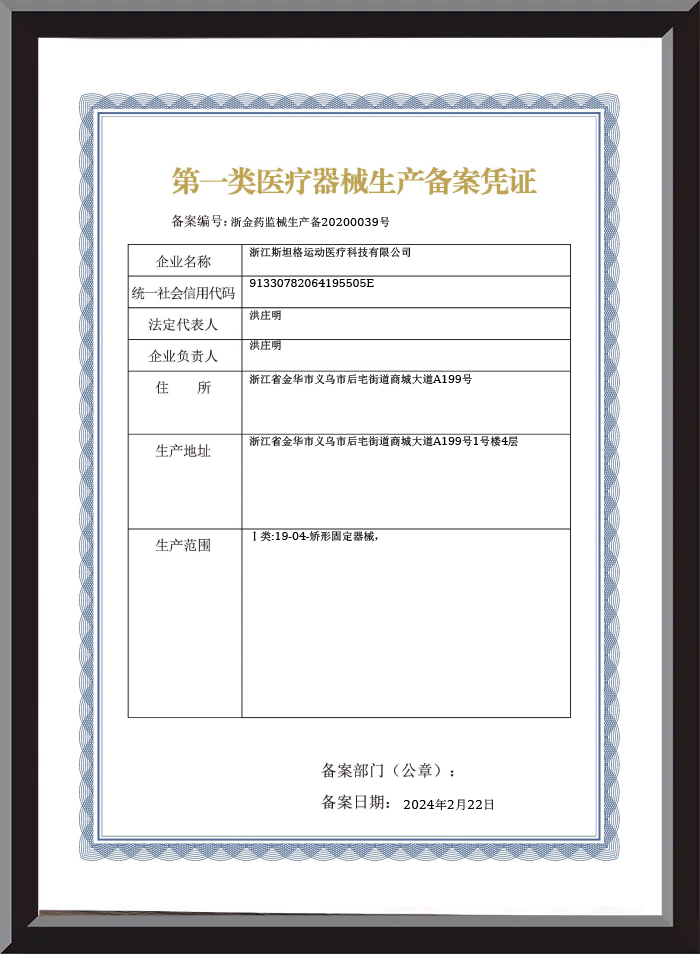
Steriger has established a mature quality management system. We have successfully obtained a FDA Medical Device Record Certificate, a CE Certificate, an ISO 13485 Medical Device Quality Management System Certificate, an ISO 9001 Quality Management System Certificate, etc. We have established an industry-leading supports and braces testing laboratory, equipped with advanced testing equipment to ensure that product parameters meet rigorous technical and quality standards.

Steriger has established a professional and efficient R&D team. As a professional China Arm Protection Sleeves Wholesaler and Sports Arm Guards Supplier we can provide one-stop solutions, from design to mass production. Meanwhile, we have established a joint R&D center with Donghua University. With DHU's unparalleled academic advantages in textile technology and material science, we are committed to promoting product innovation and technological development in the supports and braces industry.

Steriger has always valued and fulfilled social responsibilities by holding social welfare and employee development activities. With the implementation of a solar energy generation project and other energy-saving projects, we aim to build an environmentally friendly factory. By now, we have obtained ISO 14001, IS0 45001, BSCI, CSR, SMETA 4P, Higg Fem, and other social responsibility-related certifications.
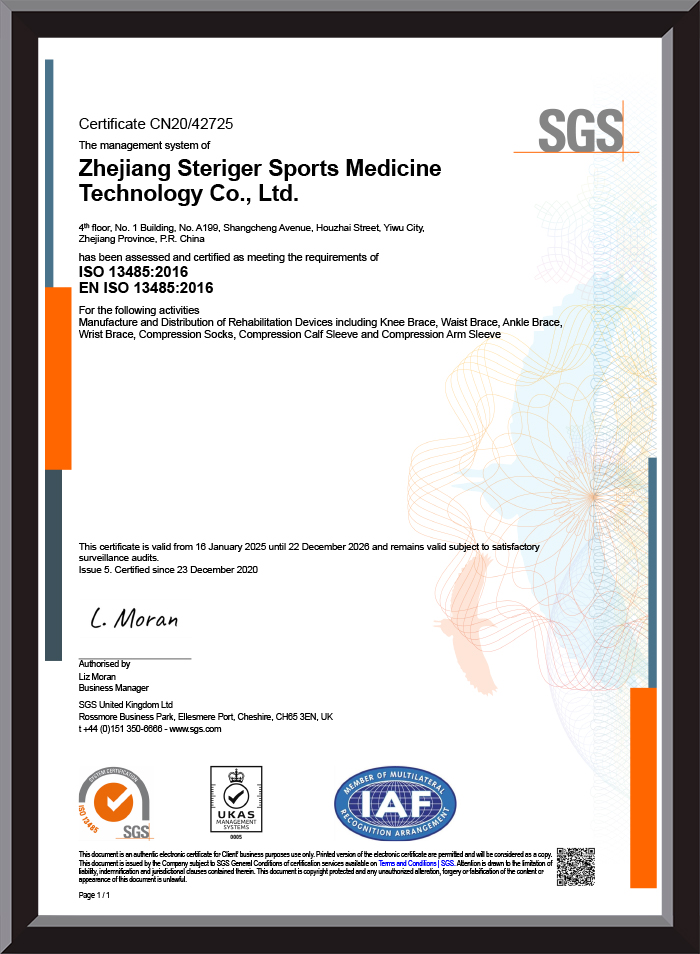
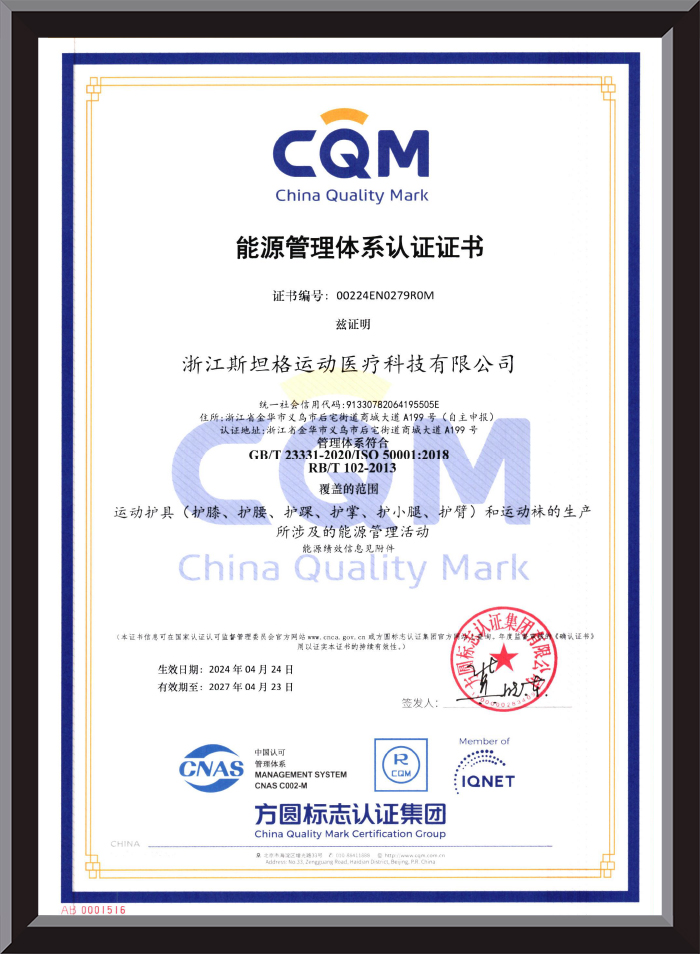
Certificate of Honor
  • ISO 13485
  • ISO 9001
  • ISO 14001
  • ISO 45001
  • ISO 5001
  • BSCI
  • CE
  • FDA
Latest News
Custom Arm Protection Sleeves Industry knowledge

Arm Protection Sleeves are specialized accessories designed to reduce impact, abrasion, and accidental injuries to the forearm. While originally common in sports such as archery and martial arts, their use has expanded to rugby, cycling, fitness training, and even outdoor or industrial work. These sleeves provide a combination of protection and comfort, making them a key component of personal safety gear in multiple contexts. Understanding the materials, design principles, and market trends can help both consumers and industry professionals make informed decisions.

Material Innovation and Manufacturing Techniques

Modern arm sleeves are the result of ongoing material innovation and refined manufacturing techniques. Their purpose is to provide reliable protection while remaining lightweight and comfortable. Selecting the right materials is critical to achieving this balance.

Common materials and techniques include:

  • Synthetic leather or TPU outer shells: Protect against scratches and minor cuts.
  • EVA or PE foam padding: Absorbs shock from impacts.
  • Carbon fiber or reinforced plastic inserts: Offer structured protection for high-risk sports.
  • Breathable mesh or stretch fabrics: Ensure ventilation and moisture management during extended use.

Production typically involves molding, multi-layer bonding, precise stitching, and heat-sealing. The goal is to create a durable sleeve that maintains flexibility and fits the natural contours of the arm.

Ergonomic Design Direction

The design of arm sleeves focuses on safety without compromising freedom of movement. Modern consumers prioritize comfort, so ergonomic considerations play a central role in development. Before looking at the specific features, it is important to understand why design impacts both performance and long-term usability.

Key ergonomic elements include:

  • Anatomical shaping: Follows the natural curve of the forearm for a secure fit.
  • Adjustable systems: Velcro or elastic straps allow fine-tuning to different arm sizes.
  • Lightweight construction: Ensures unrestricted motion for high-intensity activities.
  • Targeted protection zones: Shields the vulnerable areas without adding bulk.

These principles make arm sleeves suitable for extended wear and allow athletes or workers to maintain great performance.

Expansion of Use Cases

Arm sleeves are no longer limited to traditional sports. Their versatility has led to applications across many industries and activities. Understanding these expanding use cases helps identify opportunities for both users and manufacturers.

Examples of applications include:

  • Industrial and construction work: Protects against bumps, scrapes, and repetitive motion injuries.
  • Cycling and outdoor activities: Adds coverage from impact and sun exposure.
  • Medical and rehabilitation settings: Reduces irritation and provides mild support or compression.
  • Office or gaming environments: Light sleeves prevent friction from prolonged desk contact.

This broad range demonstrates the adaptability of arm sleeves beyond sports, making them a practical protective solution for various scenarios.

Consumer Needs and Industry Services

As the market matures, the focus has shifted from basic protection to overall user experience. Consumers now expect guidance, customization, and ongoing support in addition to product performance.

Industry services include:

  • Sizing and fit guidance: Online tools or in-store assistance help users choose the correct sleeve.
  • Customization options: Colors, patterns, and branding for teams or personal preference.
  • Maintenance and replacement advice: Ensures longevity and sustained performance.
  • Integrated gear sets: Pairing with elbow pads, gloves, or other protective equipment.

These services enhance usability and contribute to customer satisfaction, making arm sleeves a more attractive investment.

The future of arm sleeves is shaped by material science, technology, and user demand. Anticipating trends is important for manufacturers and consumers who want durable and functional products.

Emerging directions include:

  • Lightweight composite materials: Strong yet minimal in weight.
  • Wearable technology integration: Sensors to monitor impacts or motion.
  • Environmentally friendly materials: Recyclable or biodegradable components.
  • Specialized designs: Sport-specific or occupation-specific sleeves for targeted protection.

These trends suggest the category will continue to grow and evolve, offering increasingly sophisticated solutions for forearm protection.