As millions of people worldwide continue to rely on repetitive hand motions for work, creativity, and daily tasks, attention is turning toward simple interventions that reduce pain and preserve function. Clinics, occupational therapists, and workplace safety teams report growing interest in solutions that balance protection with mobility — particularly the conversation around flexible supports versus firmer braces. Recent discussions spotlight how device choice should follow activity demands, injury stage, and recovery goals rather than habit or habit-driven marketing.
Office staff logging long stretches at keyboards, warehouse personnel handling repetitive loads, and home hobbyists working on fine projects all face similar risks: an accumulation of strain across tendons, nerves, and joints. The response from practitioners is pragmatic. Rather than offering a single prescription, clinicians recommend matching the level of assistance to the task and the condition. That approach aims to relieve symptoms without unnecessarily limiting daily routines.
Early intervention and simple workplace changes can change outcomes. Small adjustments to posture, scheduled micro-breaks, and modest support devices are frequently cited in professional guidance as ways to reduce flare-ups and maintain productivity while recovery proceeds.
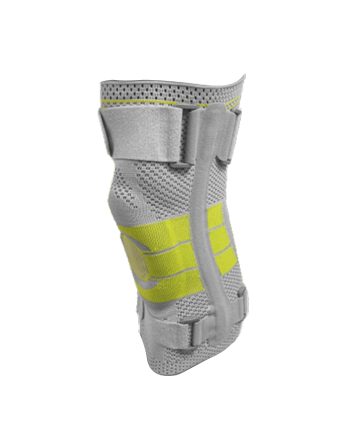
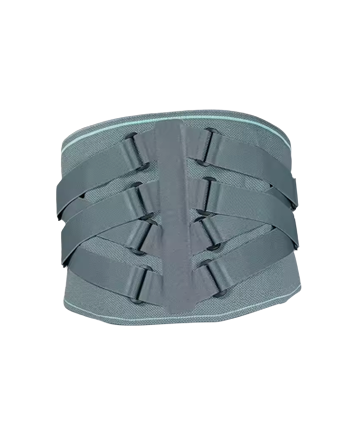
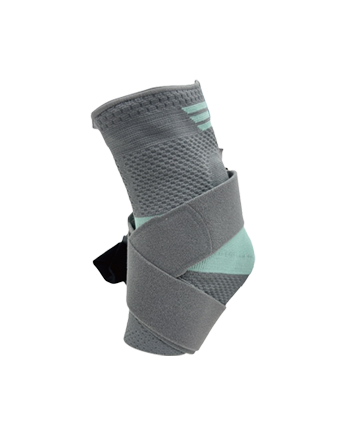
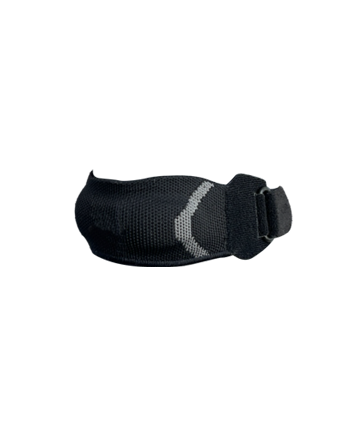
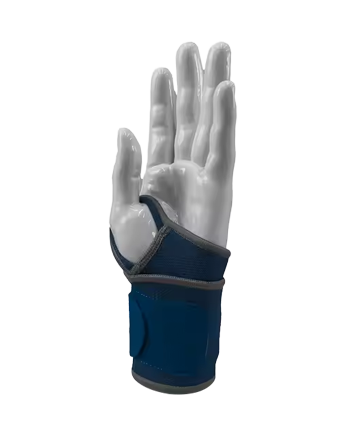
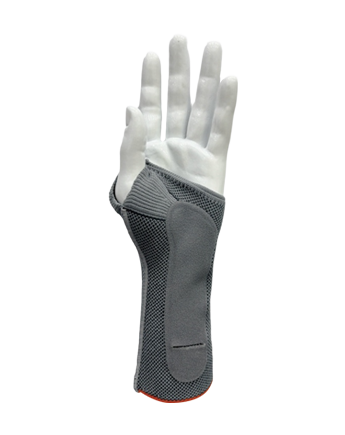
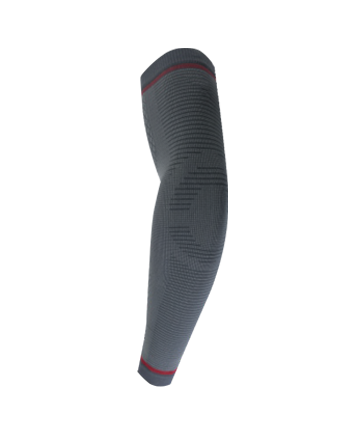
There is a practical distinction between flexible supports and rigid stabilizers. A flexible sleeve or strap offers compression and mild stabilization while preserving dexterity. A firmer device, by contrast, limits bending and reduces repetitive stress through greater control of motion. Each has a role in everyday care and rehabilitation.
Clinicians emphasize that choice depends on symptom severity, the stage of recovery, and the tasks a person must perform during the day.
Medical professionals typically describe a graduated plan for wrist management: begin with conservative measures, monitor response, and escalate protection if symptoms persist or worsen.
Importantly, healthcare teams recommend routine reassessment to avoid prolonged immobilization when not needed and to reintroduce movement and strengthening at the right time.
| Factor | Flexible Support | Stabilizing Brace |
|---|---|---|
| Main goal | Comfort, compression, mobility | Motion control, protection |
| Typical sensation | Soft, compressive | Firmer, structured |
| When to use | Mild or intermittent symptoms | Acute injury or repeated aggravation |
| Effect on movement | Preserves dexterity | Limits certain wrist motions |
| Common benefit | Reduced fatigue during tasks | Reduced risk of re-injury while healing |
| Workplace fit | Suited to precision tasks | Suited to repetitive heavy tasks |
Selecting a device often begins with a simple question: what must the wrist do today? The answer shapes the choice.
Professionals encourage tailoring the device to tasks that pose the greatest risk, rather than expecting one device to suit every situation.
The value of any device depends heavily on fit and wearability. A properly fitted device should be snug without constricting blood flow, breathable enough for extended wear, and easily adjusted to accommodate changes in swelling or activity.
These factors influence whether a person uses a device consistently — and consistent use often determines whether positive outcomes follow.
Devices are rarely the only step in treatment. A layered strategy often includes:
This integrated approach balances immediate comfort with long-term function, helping people return to full duty safely.
A few misconceptions are common and can reduce the helpfulness of device use:
Making these distinctions clear helps users get consistent benefit and avoid new problems created by improper use.
Organizations that prioritize worker health report reduced absenteeism and steadier productivity when ergonomics and early-care pathways are in place. Practical measures include:
Workplace culture that values small preventive steps often sees lower incidence of chronic issues.
When deciding whether to use a flexible sleeve or a firmer stabilizer, consider the interplay of symptom level, task demands, and recovery goals. For mild intermittent discomfort tied to repetitive activity, a light support can reduce fatigue while allowing continued productivity. When movement causes repeated symptom spikes or when injury is recent, limiting motion with a stabilizer may be the safer choice.
If uncertainty remains, a clinician can assess nerve, tendon, and joint function and recommend a staged plan that includes device selection, exercises, and environmental changes. Early professional input can prevent prolonged impairment and speed a return to normal tasks.For readers looking for detailed product guidance and educational resources, visit steriger for linked support and further reading.
Steriger is a national high-tech enterprise specializing in the R&D and production of high-quality sports supports, medical braces, and sports compression socks.
Copyright © Zhejiang Steriger Sports Medicine Technology Co., Ltd.
The information provided on this website is intended for use only in countries and jurisdictions outside of the People's Republic of China.

Approval No: 浙金药监械生产备20200039号

 English
 Español
 Deutsch
 عربى
عربى Français