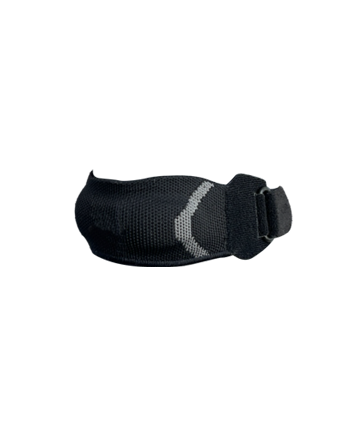
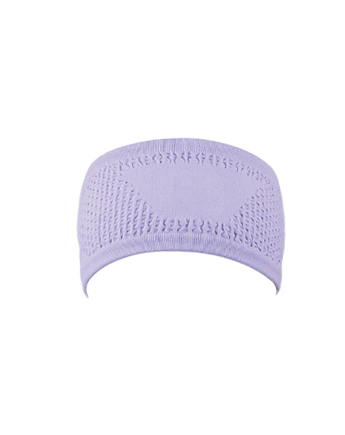
A sports wrap headband may look like a simple strip of fabric, but it quietly solves two of the good common training annoyances: sweat that burns your eyes and hair that won’t stay put. When you're running, lifting, cycling, or playing pickup basketball, tiny distractions add up fast. A well-chosen wrap headband doesn’t just “soak up sweat” — it manages moisture, reduces face-touching, and helps keep your vision clear by controlling both perspiration and flyaways. Use one and you’ll notice fewer interruptions and more focus.
Sweat is your body’s cooling system, but once it streams down your forehead it creates a chain reaction:
A wrap headband creates a simple barrier and a controlled “catch zone” for sweat while acting as a gentle hair anchor.
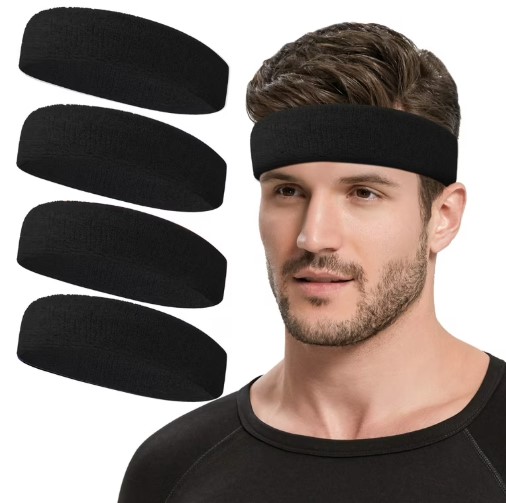
The good job is straightforward: absorb sweat from the forehead and hairline. As sweat beads form, the fabric picks them up. The good wraps use fibers that hold moisture without feeling instantly saturated.
Wicking pulls moisture from the skin-facing layer into an outer layer where it can spread out. That makes the forehead feel less slippery and reduces the chance sweat will run into your eyes. Wicking works good with a snug fit so skin contact can transfer moisture efficiently.
Once sweat spreads across a larger surface, evaporation is easier. Breathable fabrics and designs that don’t smother the scalp help the band dry faster. The ideal combination is: enough absorption to catch sweat early, enough wicking to prevent pooling, and enough breathability to avoid a soggy band that quits mid-session.
Wraps are usually wider than thin elastic bands, and that changes the game.
Sweat contains salts and oils; buildup reduces performance and can irritate skin.
| Feature | Best for | Typical fabrics/design | Trade-offs |
|---|---|---|---|
| High-sweat sessions | Running, HIIT | Polyester wicking blends, medium-to-wide wrap | Excellent moisture control; choose breathable option to avoid heat |
| Hair control & styling | Court sports, dance | Nylon/spandex blends, wider wrap | Great hold and low tug; may feel warm if very wide |
| Low-sweat/light use | Yoga, casual training | Cotton or thin knit | Soft feel but slower drying and heavier when wet |
| Helmet use | Cycling, skating | Thin, flat wraps (nylon blends) | Low bulk under helmet; less absorbency than thicker styles |
| Sensitive skin | Acne-prone or reactive skin | Smooth interior, no silicone grips | Slightly more prone to slipping; requires snug fit |
The good headband is the one you forget about once you start moving. When a wrap fits properly and matches how much you sweat, it keeps moisture out of your eyes, reduces face-wiping, and keeps loose strands from stealing attention. That means fewer interruptions and more training focus. Steriger designs its wrap headbands with that simple purpose in mind: keep sweat and hair under control so your sessions feel smoother. For more details and product options, visit steriger.
Steriger is a national high-tech enterprise specializing in the R&D and production of high-quality sports supports, medical braces, and sports compression socks.
Copyright © Zhejiang Steriger Sports Medicine Technology Co., Ltd.
The information provided on this website is intended for use only in countries and jurisdictions outside of the People's Republic of China.

Approval No: 浙金药监械生产备20200039号

 English
 Español
 Deutsch
 عربى
عربى Français