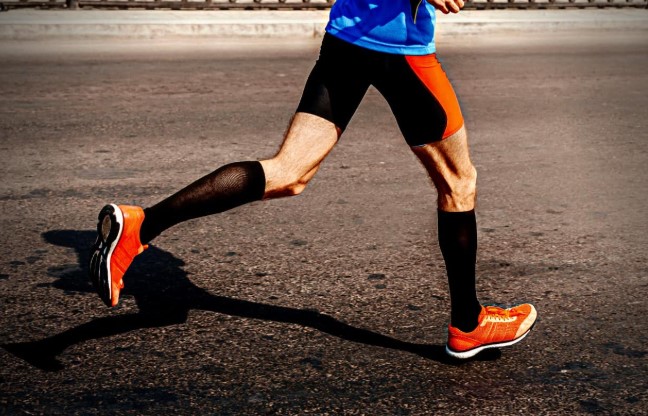
Athletic compression calf sleeves aren’t flashy—but they’re practical. The calf absorbs impact, supports acceleration/deceleration, and commonly tightens when training volume rises. With the right fit, a well-designed sleeve can improve comfort during movement, reduce distractions from lower-leg fatigue, and help you keep up recovery habits that actually work.
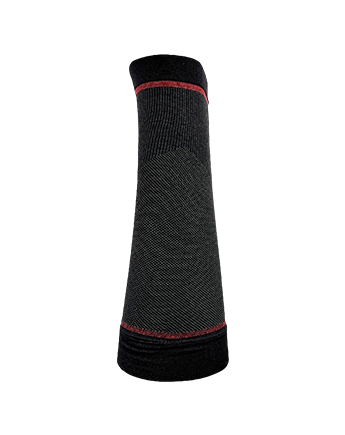
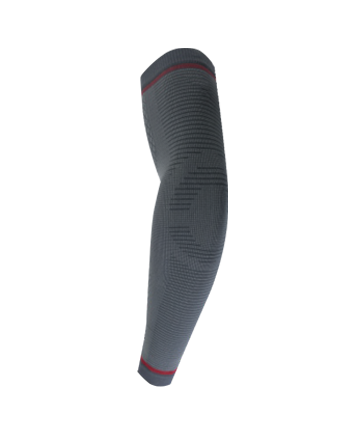
Compression calf sleeves are elastic, form-fitting sleeves that cover the lower leg from just above the ankle to below the knee. Unlike compression socks, good sleeves don’t include the foot—so you keep normal shoe fit and ventilation while adding targeted calf support.
What they’re designed to do
What they are not
Think of sleeves as a supportive accessory that smooths training and recovery when used sensibly.
Key advantages of compression calf sleeves
1) Improved comfort during activity
Compression often creates a “held together” sensation that reduces the awareness of small aches and tightness—useful for long runs, high-rep circuits, or sports with frequent direction changes. Comfort matters because discomfort changes form: athletes who guard the calf often shift stress to the Achilles, knee, or hip.
2) Reduced perceived muscle vibration
Impact induces soft-tissue oscillation. For many athletes, sleeves dampen that vibration and reduce the “beat up” feeling after hard sessions or long downhills—helping you tolerate heavier loads and finish sessions with less nag.
3) Better body awareness and movement confidence
Continuous skin contact can enhance proprioception—your sense of position and movement—so you may feel steadier during quick footwork, more confident in push-offs, and less likely to lose form when tired.
4) Warmth and readiness (especially useful in cool conditions)
Sleeves maintain calf warmth without forcing thicker socks that could alter shoe fit. They’re handy for early-morning sessions, fall/winter workouts, and warm-up windows where muscles are still waking up.
Fit good
Measure calf circumference at the widest point. A proper sleeve should be snug and evenly compressed but not pinching. Avoid numbness, persistent indentations, or shoes feeling excessively tight after donning a thicker sleeve.
Materials and durability
Choose moisture-wicking fabric with smooth seams and good elastic recovery. Hot-weather athletes favor lighter knits; cooler climates may prefer slightly thicker fabric for warmth.
Anti-slip features
Look for shaped profiles, wider top cuffs, or textured knit zones to prevent slipping—nothing ruins a workout faster than adjusting a sliding sleeve.
Match sleeve to use case
Training comfort → breathable, stable fit
Racing → low bulk, secure hold
Trail → abrasion resistance and a taller cuff
Seek professional advice or avoid compression if you have:
Compression shouldn’t be used to ignore worsening pain—if symptoms are concerning, get checked.
| Goal / Situation | Recommended Sleeve Features | Why it helps |
|---|---|---|
| High-volume training / long runs | Medium compression, breathable fabric, secure top cuff | Manages fatigue, reduces vibration, stays in place |
| Racing / speedwork | Low bulk, snug fit, lightweight knit | Maintains shoe fit, enhances ground feel |
| Trail use | Durable knit, taller cuff, abrasion resistance | Protects from brush and debris, adds durability |
| Cold weather / early mornings | Slightly thicker fabric with good wicking | Keeps calves warm and ready to move |
| Recovery / travel comfort | Comfortable compression, good elastic recovery | Calming compression for long flights or standing periods |
Calf compression sleeves deliver subtle but meaningful gains: steadier lower-leg feel during activity, less distracting bounce and soreness afterward, and a little extra warmth when conditions are cool. The payoff is consistency—when your calves feel steadier, it’s easier to stay present in training and follow through on recovery habits. Steriger calf sleeves are built for that consistent, everyday support—pick the right size and wear them sensibly to get the good out of this low-profile upgrade. Learn more at Steriger.
Steriger is a national high-tech enterprise specializing in the R&D and production of high-quality sports supports, medical braces, and sports compression socks.
Copyright © Zhejiang Steriger Sports Medicine Technology Co., Ltd.
The information provided on this website is intended for use only in countries and jurisdictions outside of the People's Republic of China.

Approval No: 浙金药监械生产备20200039号

 English
 Español
 Deutsch
 عربى
عربى Français