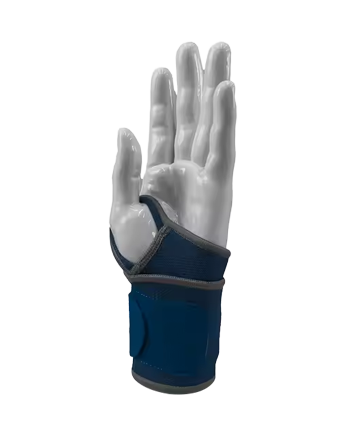
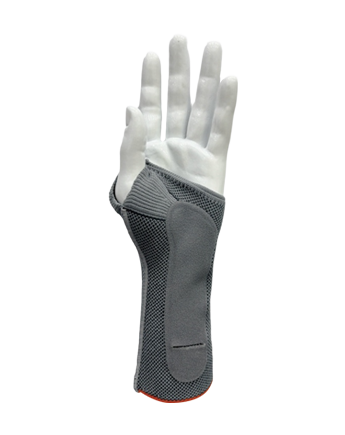
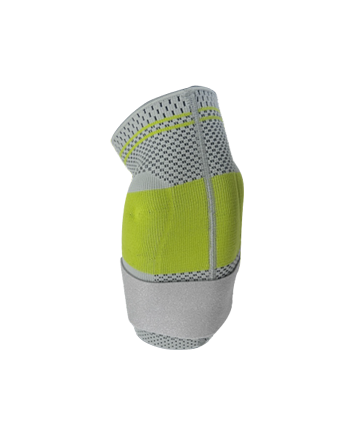
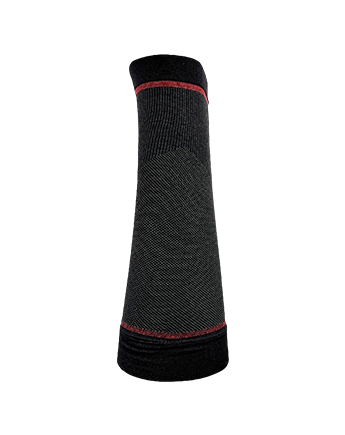
Wrist pain has a way of creeping into nearly everything—typing at your desk, carrying groceries, doing push-ups, even scrolling on your phone. When a ganglion cyst is behind it, the discomfort can feel strangely pinpointed: a sore spot, pressure when you bend the wrist back, or a lingering ache after repetitive movements. That's where a functional ganglion wrist support brace can help—built to support the joint without completely locking your hand in place.
And yes, color matters more than people like to admit. A pink brace isn't just a style choice; for many people, it makes the support feel less clinical and more wearable, which encourages regular use. When it comes to wrist braces, isn't consistency half the battle?
A functional ganglion wrist support brace is made to help the wrist work better, not to lock it in place. Unlike a rigid splint—typically used when the goal is strict immobilization after an injury or surgery—this type of brace is intended for regular use, offering support while still allowing practical, day-to-day movement.
In general, it's designed to:
Ganglion cysts are fluid-filled swellings that commonly appear near the wrist joint or along tendons. While wearing a brace won't eliminate the cyst, it can help manage symptoms by reducing mechanical irritation—controlling motion and spreading pressure—especially during periods when the wrist feels more sensitive.
1) Targeted support where the wrist needs it most
Many people with ganglion-related symptoms notice pain during:
A good functional brace helps keep the wrist in a more neutral, joint-friendly range, which can reduce that “pinchy” or pressured feeling.
2) Compression that can calm irritation
Gentle compression can help in a few ways:
This doesn't mean "the tighter the better." In fact, too much compression can cause numbness or tingling. The best braces offer adjustable straps so you can dial in comfort.
3) Less overuse, fewer flare-ups
Even when pain is mild, people often unconsciously compensate—altering wrist position or using awkward grips. Over time, that can create a cycle of irritation. A brace can act as a gentle "guardrail," helping you stay out of the extremes that trigger symptoms.
For office work, this can be especially valuable: you may not notice how often your wrist extends while typing or how much tension you hold in your hand until the brace reminds you.
4) Protection during sports and workouts
Functional wrist braces are popular for activities where the wrist is vulnerable:
A ganglion-sensitive wrist often dislikes loading in extension. A supportive brace can reduce irritation and help you train with fewer interruptions—though it's still smart to modify movements and address technique.
5) Better adherence: the "pink factor"
This may sound superficial, but it's real: people wear what they don't mind being seen in.
A pink brace can feel:
And if a brace is more pleasant to wear, you're more likely to use it during the moments that matter—commutes, long computer sessions, housework, workouts—rather than leaving it in a drawer.
Not all wrist braces are created equal, regardless of color. If you're choosing one for ganglion-related comfort, look for these practical details:
A brace should feel supportive—not like it's cutting off circulation. Use these quick checks:
If the lump grows quickly, becomes very painful, feels hot/red, or you have persistent weakness, it's worth getting evaluated. Ganglion cysts are usually benign, but you don't want to miss other issues.
A pink functional ganglion wrist support brace can be especially helpful if you:
A wrist brace is often best viewed as part of a broader strategy. Many people get the best results when they combine brace use with:
The brace helps reduce friction in daily life—giving irritated tissue a chance to calm down and giving you a physical reminder to move in a friendlier way.
Pink functional ganglion wrist support braces strike a smart balance between stability and everyday comfort. They help ease stress on the wrist, discourage painful end-range bending, and support common activities—typing, lifting, commuting—without locking your hand into a rigid position. The pink finish isn't merely aesthetic; it can make the brace feel more personal and less clinical, which often means people wear it more consistently. With Steriger wrist supports, that consistency turns the brace from an occasional "just in case" item into a dependable part of your daily routine—where lasting relief and better function are most likely to develop.
Steriger is a national high-tech enterprise specializing in the R&D and production of high-quality sports supports, medical braces, and sports compression socks.
Copyright © Zhejiang Steriger Sports Medicine Technology Co., Ltd.
The information provided on this website is intended for use only in countries and jurisdictions outside of the People's Republic of China.

Approval No: 浙金药监械生产备20200039号

 English
 Español
 Deutsch
 عربى
عربى Français