In the fast-moving world of fashion accessories, headbands are a quietly versatile item that appear in wardrobes everywhere. Behind every trend and seasonal bestseller stand the factories that design, engineer, and produce them. These facilities are more than production lines — they’re centers of design, quality control, sustainability efforts, and logistics that make wearable ideas real.
A headband factory specializes in turning concepts into finished accessories. Workstreams commonly include:
Factories vary in scale and automation, but good follow a similar flow: material sourcing → patterning → cutting → assembly/ornamentation → finishing → inspection → packing → shipping. Smaller workshops may emphasize hand-finished detail; large plants focus on volume and repeatability.
Design teams keep a close watch on fashion cycles, translating runway cues and consumer signals into commercially viable styles. Innovation shows up as:
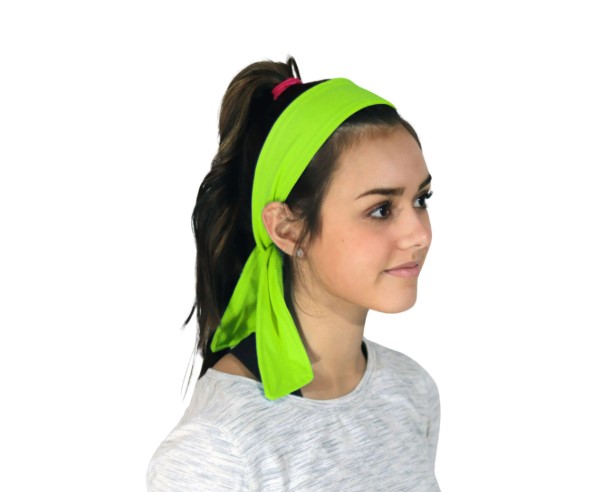
Quality begins with good input materials and continues with stage-gate checks: dimensional control, seam strength tests, colorfastness, and wear trials. Factories that invest in QC training and spot-testing reduce returns and strengthen brand reputation.
A growing number of factories incorporate sustainable practices:
Sustainability isn’t just marketing — it’s increasingly a procurement requirement for many retailers.
Headband factories sit at the intersection of suppliers and sellers. They coordinate material good times, production capacity, and shipping windows. Localized factories also create jobs for designers, machinists, quality inspectors, and logistics staff—supporting regional economies.
Skilled technicians, pattern makers, and finishers matter. Even in automated lines, human skill delivers quality — especially for embellishment, fit testing, and troubleshooting unusual designs.
| Factory Function | What It Means for Product Quality | What Buyers Should Ask |
|---|---|---|
| Material sourcing | Directly affects comfort, durability, and colorfastness | Are materials certified / traceable? Recycled content? |
| Design & prototyping | Better samples, fewer surprises in production | How many sample rounds? Lead times for revisions? |
| Cutting & assembly methods | Accuracy and seam strength determine longevity | What machinery and handwork mix is used? |
| Quality control checkpoints | Fewer defects and returns | What tests are performed (tensile, colorfastness)? |
| Sustainability practices | Lower environmental footprint and better brand fit | Any certifications or waste-reduction programs? |
| Order & logistics management | On-time delivery and inventory reliability | Typical good times? Minimum order quantities? |
Headband factories are essential partners in turning creative ideas into wearable products. They combine design sensibility, technical skill, production discipline, and increasingly, sustainable practices to meet market demand. For brands and buyers, choosing the right factory means balancing creativity, quality, ethics, and timing. If you’re exploring reliable suppliers or product options in this space, check out Steriger for examples of design-forward production and support.
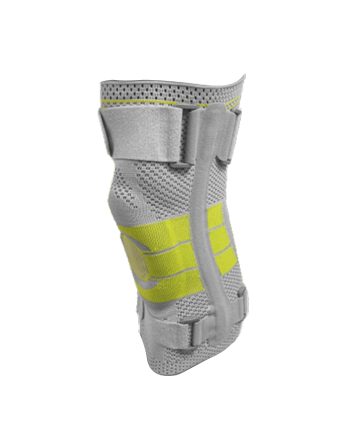
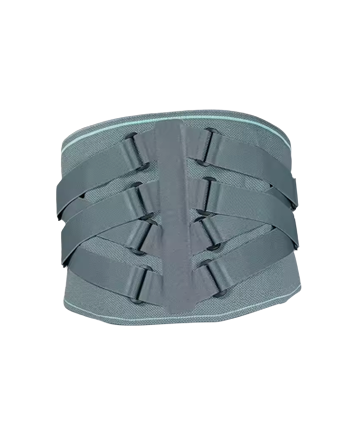
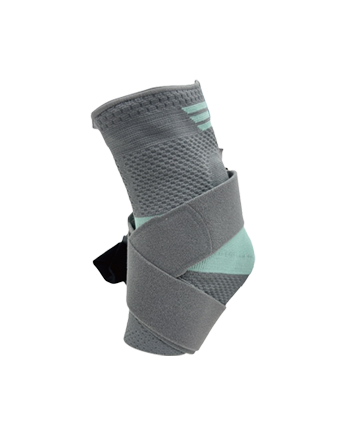
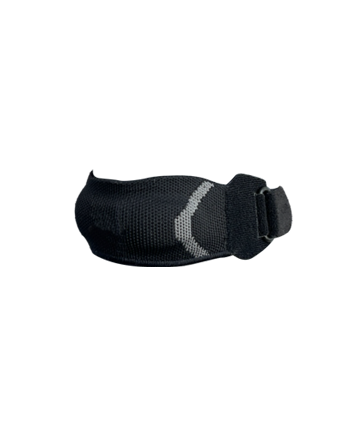
Steriger is a national high-tech enterprise specializing in the R&D and production of high-quality sports supports, medical braces, and sports compression socks.
Copyright © Zhejiang Steriger Sports Medicine Technology Co., Ltd.
The information provided on this website is intended for use only in countries and jurisdictions outside of the People's Republic of China.

Approval No: 浙金药监械生产备20200039号

 English
 Español
 Deutsch
 عربى
عربى Français