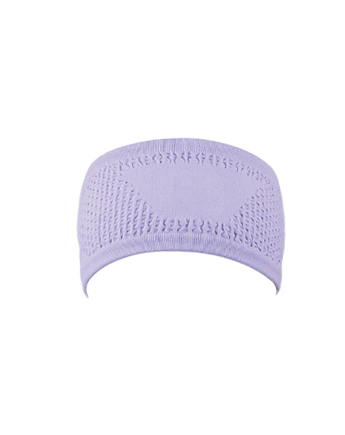
Yellow athletic sports band headbands hit a rare balance where performance gear and personal style work together. They're simple, lightweight, and easy to dismiss—until you wear one during a tough session and notice how much distraction it removes. Sweat creeping toward your eyes, hair clinging to your forehead, constant readjusting, that nagging sense that something is "in the way"—a well-made headband quietly takes care of it.
Yellow also brings a distinct kind of energy. It's bright without being fussy, noticeable without feeling chaotic, and it often looks confident on just about anyone. The result is a small piece of gear that can boost comfort and focus while giving your training kit a crisp, recognizable look. So what makes yellow athletic headbands work so well—and what separates a great one from something that ends up forgotten in a drawer?
Headbands aren't "just accessories." In sports and training, they solve a few recurring problems that can reduce performance in surprisingly direct ways.
Sweat management that protects focus
Sweat is normal—great, even. But when it runs into your eyes, it creates a chain reaction:
A well-designed sports band headband helps redirect and absorb sweat before it becomes a face-level problem. The best ones don't merely soak; they distribute moisture across the fabric so it can evaporate more efficiently.
Hair control that reduces distractions
Whether your hair is long, short, curly, straight, or somewhere in between, movement + sweat tends to turn it into a nuisance:
A headband creates a simple "boundary" that keeps hair off the face and keeps your attention where it belongs.
Comfort and confidence under pressure
Training is partly physical and partly mental. When your gear feels unstable—slipping, pinching, itching—you're subtly distracted. A headband that fits well provides a stable, comfortable feel that can help you settle into a session faster.
Choosing yellow might seem purely aesthetic, but it has functional and social advantages too.
Visibility in motion (and in teams)
Yellow stands out against most hair colors and most gym/outdoor backgrounds. That can be useful for:
It's not a replacement for reflective gear in low light, but it does help you read as "present" in a busy scene.
A mood cue that feels energetic
Color psychology can be overhyped, but the lived experience is real: yellow often reads as upbeat and high-energy. Many athletes choose it when they want gear that feels:
In short, yellow is a performance-friendly vibe.
Sweat is less "obvious" than you'd expect (with the right fabric)
People worry that bright colors will show sweat. With modern moisture-wicking materials and textured knits, many yellow headbands handle sweat without looking soaked—especially if the weave disperses moisture rather than letting it pool.
Not all headbands perform equally. Function comes from a few design choices working together.
1) Fabric: absorbent vs. wicking (you usually want both)
A great sports band headband balances two jobs:
Common performance materials include:
Practical takeaway: for intense cardio or hot gyms, prioritize moisture-wicking blends over high-cotton content.
2) Width and coverage: matching the activity
Width affects both performance and comfort.
If you sweat heavily from the hairline, a wider headband can be the difference between a focused run and a constant wipe-fest.
3) Grip and stability: staying put without squeezing
The most annoying headband failure is slipping. Stability usually comes from:
A good fit should feel secure without creating a headache or leaving deep marks.
4) Breathability: preventing heat buildup
A headband sits where heat and sweat concentrate. Breathable construction matters, especially for:
Look for ventilating knits or lighter weaves that don't trap heat.
5) Skin comfort: friction is the silent dealbreaker
Even a headband that performs well can fail if it irritates skin. Watch for:
Soft edges and thoughtful seam placement are underrated features—until you've had a forehead rash from a "performance" accessory.
Different sports stress headbands in different ways. Yellow works across the board, but here's how functionality shows up in practice.
Running and endurance cardio
Gym strength training
Team sports (basketball, soccer, volleyball)
Yoga, pilates, studio classes
Cycling and helmeted sports
There's a reason yellow headbands show up again and again in gyms and on fields: they photograph well, they signal energy, and they're easy to build outfits around.
A "statement" that still feels sporty
Yellow is expressive, but it doesn't look out of place in performance contexts. It reads less like fashion-only and more like intentional athletic styling—especially in simple, solid designs.
Easy pairing with classic athletic colors
Yellow works well with:
It can also complement brighter palettes when you want a more playful kit.
Personal identity and routine
Athletes love rituals. A consistent headband color can become part of a "training identity"—the same way some people always wear the same shoes, cap, or socks style. Yellow is distinctive enough to feel like "your thing."
Bright colors can fade if mistreated, but headbands are easy to maintain with a few habits:
A well-made headband should keep its stretch and color through regular use if you treat it like performance gear, not a disposable accessory.
When you're shopping, these are the decision points that matter most:
If you're buying for a team, consistency in size range and "stay-put" performance matters more than subtle style differences.
Yellow athletic sports band headbands work because they blend practical performance with standout style. On the functional side, they absorb and redirect sweat, keep hair secured, and cut down on the little annoyances—slipping, wiping your face mid-set, losing concentration—that can interrupt a workout. On the style side, yellow is highly visible and upbeat, giving your training look a deliberate, energetic edge instead of a "whatever was in the gym bag" vibe. With Steriger headbands, that comfort-and-function combination makes it easier to wear one every session, and that steady habit is where better comfort, focus, and results build over time.
Steriger is a national high-tech enterprise specializing in the R&D and production of high-quality sports supports, medical braces, and sports compression socks.
Copyright © Zhejiang Steriger Sports Medicine Technology Co., Ltd.
The information provided on this website is intended for use only in countries and jurisdictions outside of the People's Republic of China.

Approval No: 浙金药监械生产备20200039号

 English
 Español
 Deutsch
 عربى
عربى Français