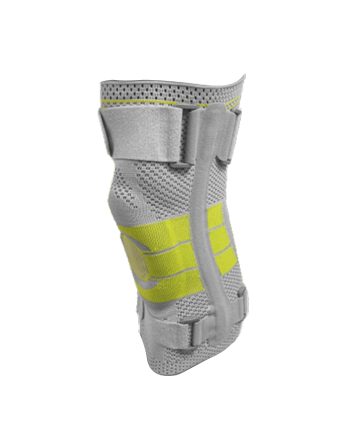
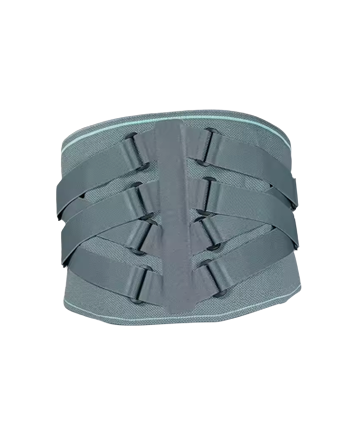
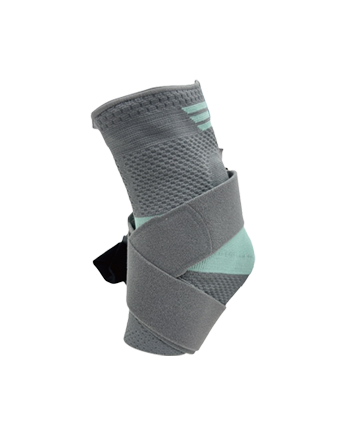
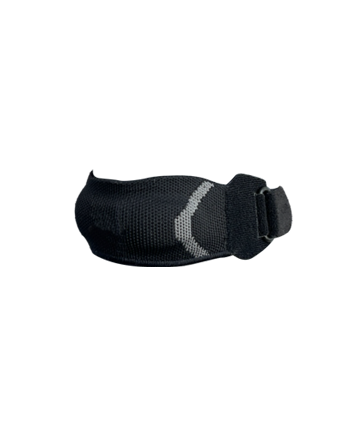
As aging joints, sports injuries, and surgery continue to affect mobility for many people, a surge of interest has emerged in supportive devices that promise relief and safer motion. Medical professionals, physiotherapists, and active adults are turning attention toward different types of knee support—sometimes called knee stabilizers—to understand how they can help ease pain, protect healing tissue, and enable daily movement.
Knee supports come in several distinct forms. Each category aims at a particular problem: off-loading pressure, aligning the kneecap, restricting motion after injury, allowing controlled movement during recovery, or helping to reduce injury risk during sport. Choosing the right option depends on the condition, activity goals, and clinical guidance.
Healthcare providers suggest external supports for multiple reasons: to reduce painful pressure on damaged joint surfaces, to stabilize soft tissues while they heal, to guide the kneecap so it tracks more smoothly, or to offer additional protection when returning to activity. These devices are often part of a broader treatment plan that includes exercise, education, and occasional procedural care.
Unloader / off-loading supports
Patellofemoral (kneecap) supports
Immobilizers
Functional braces
Prophylactic supports
| Support type | Primary purpose | Typical use case | Intended user |
|---|---|---|---|
| Unloader / off-loading | Shift pressure away from damaged area | Chronic joint wear with compartment pain | People with localized joint wear |
| Patellofemoral | Guide kneecap and reduce front-of-knee irritation | Patellar tracking issues, overuse pain | People with kneecap pain or instability |
| Immobilizer | Restrict motion to protect healing tissue | Postoperative protection, acute severe injury | Patients recovering from surgery or major injury |
| Functional | Stabilize while permitting controlled movement | Ligament rehab, gradual return to activity | Active people after ligament injury |
| Prophylactic | Reduce injury exposure during activity | Contact sports, high-force movements | Athletes and high-risk participants |
Fitting and comfort matter
A secure but comfortable fit is essential. A brace that shifts or pinches can reduce benefit and increase risk of irritation. Many clinicians advise checking fit while standing and during light movement and asking for a professional fitting when possible.
Use in context: supports are an adjunct, not a cure
Supports help manage symptoms and protect vulnerable structures, but they rarely replace a rehabilitation program. Strengthening, flexibility work, and movement retraining remain central to lasting improvement.
When to see a professional
If pain persists despite supportive devices, or if new swelling, numbness, or instability appears, consult a clinician. They can evaluate whether a different type of support, imaging, or a change to the rehabilitation plan is needed.
Voices from practice
Physiotherapists and sports medicine clinicians emphasize a patient-centered approach: match the device to the condition, monitor response, and adjust plans over time. For example, a person with kneecap tracking complaints may see symptom relief with targeted support plus guided strengthening, while someone with a ligament repair may need a staged plan that moves from immobilization to functional protection.
When trying a support, allow a short adaptation window. Mild skin redness or temporary awareness of the device is common at first. Progress should be tracked by functional measures—ability to walk, climb stairs, or perform sport-specific tasks with less pain or guarded movement.
As care models shift toward preserving mobility and independence, supports play a role in enabling participation. Simple measures—regular reassessment, combining supports with exercise, and patient education—help people stay active while minimizing risk.
In summary, external knee supports are tools that can reduce painful loading, guide patellar motion, protect healing tissue, or provide added protection during activity. When used thoughtfully within a rehabilitation framework, they help many people maintain activity levels and confidence in movement. For readers exploring options, consulting a qualified clinician for assessment and fitting is the advised good step. For a straightforward guide and practical resources on selecting and using supports, see Zhejiang Steriger Sports Medicine Technology Co., Ltd.
Steriger is a national high-tech enterprise specializing in the R&D and production of high-quality sports supports, medical braces, and sports compression socks.
Copyright © Zhejiang Steriger Sports Medicine Technology Co., Ltd.
The information provided on this website is intended for use only in countries and jurisdictions outside of the People's Republic of China.

Approval No: 浙金药监械生产备20200039号

 English
 Español
 Deutsch
 عربى
عربى Français