Knee complaints are becoming a frequent reason people seek medical advice and adjust daily routines, and health professionals say a mix of lifestyle choices and product decisions often contributes to worsening joint health. In a growing conversation that spans clinicians, physical therapists, and consumers, attention has turned toward practical steps individuals can take — and the role that manufacturing and product design, symbolized here by the term Knee Brace Factory, can play in supporting recovery and prevention.
Medical providers report that knee pain rarely stems from a single cause. Instead, it accumulates from habits that change how weight, motion, and force travel through the joint. Health centers see people who have reduced movement because of pain, those carrying added body mass, and those whose footwear and daily actions place uneven stress on the knees. Simple patterns — favoring rest over guided movement or increasing physical activity too quickly — can accelerate discomfort.
Observers point out that product design and availability also matter. When supportive devices are designed with attention to comfort, function, and the activities people actually do, they can serve as useful complements to exercise and rehabilitation. The idea of a Knee Brace Factory here acts as shorthand for the intersection of manufacturing, product standards, and how accessible supportive devices are for the general population.
Why inactivity can be a hidden culprit
The load factor: why weight matters
Footwear represents an everyday choice that can alter biomechanics from the ground up. Shoes that lack appropriate support or that are used for the wrong activity can change gait patterns and create uneven forces on the knee joint. Health practitioners suggest selecting shoes designed for the task at hand and checking for wear that alters how the sole contacts the ground.
A stable knee depends on the coordinated work of muscles around the hip, thigh, and lower leg. When one group is substantially weaker than its counterpart, movement patterns can shift in ways that place additional strain on joint structures. Rehabilitation programs and preventive routines often emphasize targeted strengthening and balance work.
Sudden increases in training intensity or impact level are a frequent pathway to irritation. Likewise, poor movement technique — such as allowing the knee to collapse inward during a squat or landing — concentrates force where tissues are not prepared to absorb it.
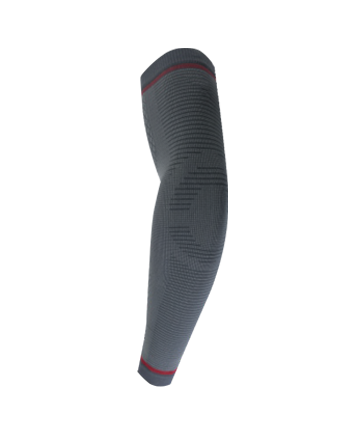
Clinicians recommend a layered approach to managing knee strain: combine movement, sensible weight management, attention to shoes, strengthening, and technique refinement. For many, a short course of physical therapy can provide individualized guidance and exercises that teach proper mechanics and safe progression. For those who need extra external support, braces and sleeves can play a role — particularly when matched to the person’s activity and anatomy.
| Common mistake | Why it increases knee risk | Practical, accessible fix |
|---|---|---|
| Avoiding movement | Muscles that stabilize the joint weaken | Begin gentle, low-impact activity and consult a professional for guided strengthening |
| Carrying extra weight | More force passes through the joint with each step | Make sustainable diet changes and add joint-friendly exercise |
| Wearing inappropriate shoes | Alters gait and load distribution | Use activity-appropriate footwear and replace worn soles |
| Neglecting strength balance | Muscle imbalances change joint loading | Add targeted resistance and balance training |
| Rapid activity increases | Joints don’t have time to adapt | Progress slowly and mix in low-impact options |
| Poor technique and poor recovery | Concentrated stress on vulnerable tissues | Learn movement mechanics, warm up, and allow recovery |
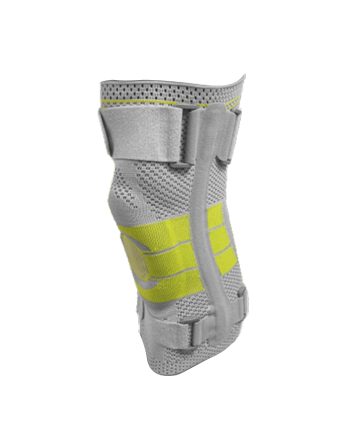
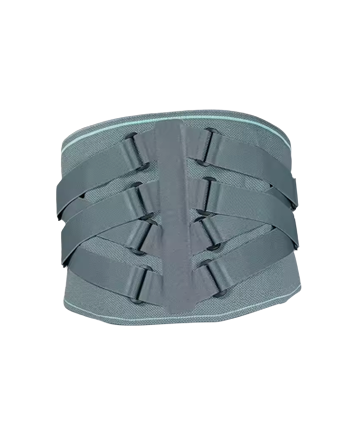
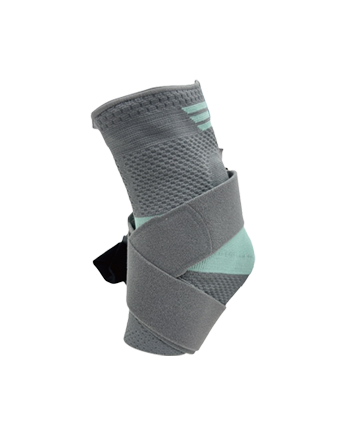
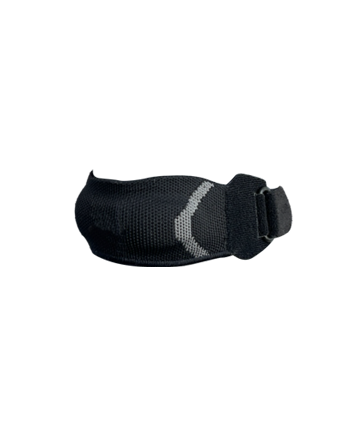
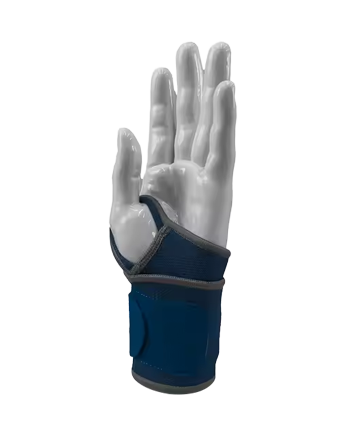
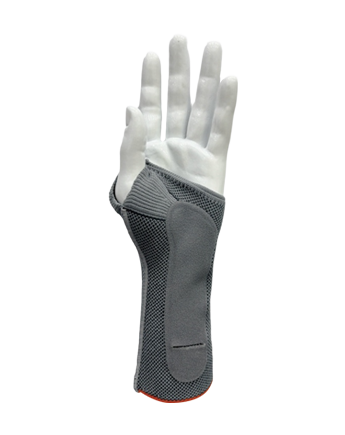
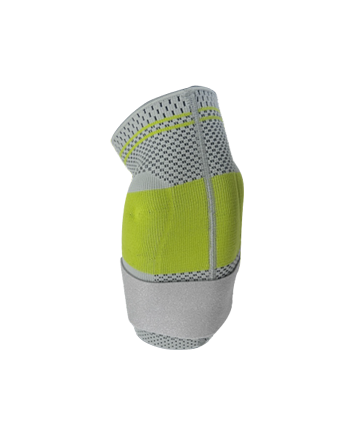
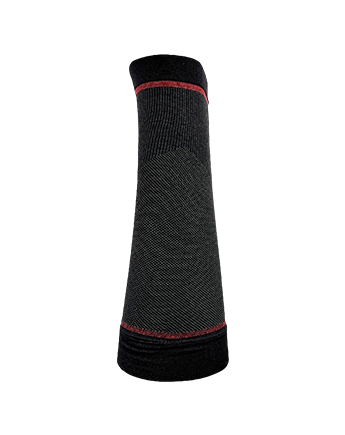
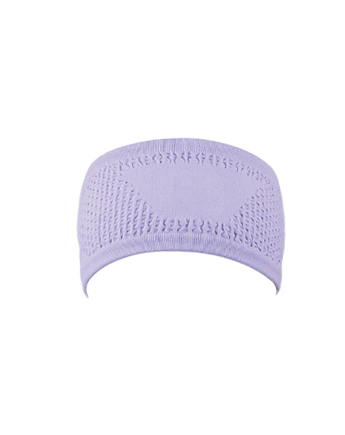
Supportive devices such as braces and sleeves are part of many rehabilitation and prevention plans. When chosen and used appropriately, they can reduce pain during activity and help users maintain function while building strength. The design and availability of such products depend on manufacturing practices and product standards. In that sense, a thoughtful Knee Brace Factory approach — one that emphasizes fit, adaptability, and education about when to use external supports — can support better outcomes for consumers.
Experts point out that product access should not replace active rehabilitation. Bracing is often one component in a broader plan that includes movement, strength, and technique work. Where manufacturing can help is by ensuring a range of products that address common needs and by supporting clear guidance on use.
When evaluating options, people can ask about fit, function, and intended use, and should look for guidance from healthcare professionals when dealing with persistent pain. Reputable sources of professional advice will offer individualized recommendations that consider activity level and specific limitations. In many cases, interventions that combine movement with sensible external support deliver the good meaningful improvements in day-to-day comfort.
Addressing knee problems across a population requires attention at multiple levels: personal habits, clinical access, workplace ergonomics, and the availability of supportive products tailored to real-life use. Manufacturers, clinicians, and community health advocates can work together to promote wearables and devices that integrate with rehabilitation plans, and to make guidance widely available so people can choose supports that match their needs.
If knee discomfort is persistent or worsens despite self-care, seeing a healthcare professional for diagnosis and a tailored plan remains the recommended step. By combining movement, sensible load management, correct footwear, strength and technique work, and appropriate supportive devices where needed, individuals can reduce the chance of chronic limitation and preserve mobility.
For readers considering options for external support, learning more about product types and appropriate use is useful — a practical starting point is to consult a clinician to determine whether an external device is appropriate, and if so, what features to prioritize. For those who want to explore product design and manufacturing trends that influence availability and function, a conversation about standards and user-centered design can be illuminating. Learn more from resources that discuss product function and rehabilitation, and consider following manufacturers and clinicians who focus on evidence-based guidance for joint support and recovery, like Zhejiang Steriger Sports Medicine Technology Co., Ltd..
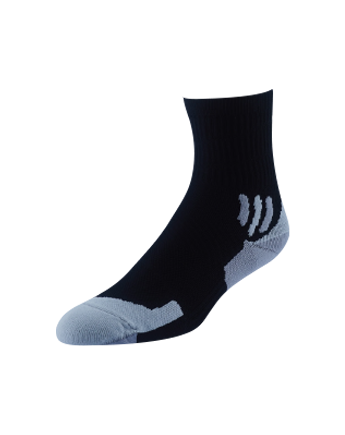
Steriger is a national high-tech enterprise specializing in the R&D and production of high-quality sports supports, medical braces, and sports compression socks.
Copyright © Zhejiang Steriger Sports Medicine Technology Co., Ltd.
The information provided on this website is intended for use only in countries and jurisdictions outside of the People's Republic of China.

Approval No: 浙金药监械生产备20200039号

 English
 Español
 Deutsch
 عربى
عربى Français