Calf fatigue shows up often after steady running or mixed training. Tightness settles in. A dull ache can linger into the next day. These sensations come from repeated loading of the lower leg muscles across distance, hills, or strength sets. Many people who train regularly have started adding a simple sleeve layer around the calves. The reason is practical rather than dramatic. The question that keeps coming up is straightforward: what do calf compression sleeves actually change during a run or a workout, and when do they feel worth wearing?
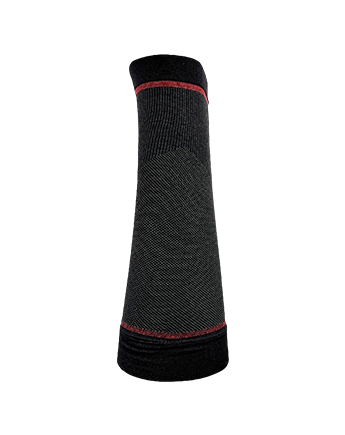
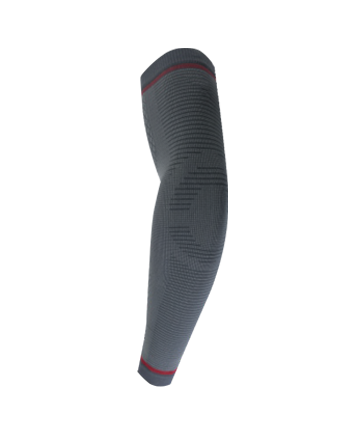
A properly fitted sleeve sits close against the skin and stays there. The contact creates a contained feeling around the muscle group. Runners often notice less of the loose bounce that can appear when the calves work hard for long stretches. The fabric moves with the leg instead of fighting against it. During steady efforts on roads, trails, or a treadmill, that steady presence can make the lower leg feel more settled. Some people also report a quieter sense of security once the sleeve is on and stays put from the stride to the last.
Expectations need to stay grounded. The sleeves do not make anyone faster. They do not erase fatigue. They do not stop every possible strain. How useful they feel depends on the individual, the surface, the distance, and the rest of the training plan. The main return is the simple sensation of support and the comfort that comes with it.
Casual jogs and longer outdoor runs usually work well with the sleeves once the size is right. The material rides along without pulling or bunching. Treadmill sessions produce similar feedback. In the weight room, lower-body movements such as squats and lunges still need full ankle mobility. A good sleeve leaves that range intact while offering mild containment higher up the calf.
Cycling, whether outdoors or on an indoor bike, involves long periods of repetitive pedaling. Some riders find the sleeves reduce the heavy feeling that can build in the calves after extended time in the saddle. Walking and hiking place lower-level but continuous demand on the same muscles, especially when the ground changes. A stable sleeve can help keep the lower legs from feeling overly tired by the later stages of a long day on foot.
None of these activities requires the sleeves. They remain an optional layer. The decision rests on whether the individual notices better comfort once they are on.
Calves commonly feel tight or heavy once the session is finished. The muscles have done repeated work and fluid can shift temporarily. A number of athletes keep the sleeves on for a while afterward because the gentle pressure feels soothing. Comfort is the main reported effect.
The sleeves cannot replace sleep, food, water, or smart progression in training volume. They do not heal injuries. They do not speed recovery in any guaranteed way. Ongoing pain, clear swelling, or any unusual change in sensation calls for medical attention rather than more time in the sleeves. Treat them as a comfort option, not a treatment.
Fit comes first. The sleeve needs to feel secure without digging in, cutting off circulation, or creating numbness. Breathable fabric matters on warmer days or during harder efforts because excess heat and moisture against the skin quickly turn uncomfortable. The lower edge must leave the ankle free so normal movement stays natural. A design that stays up without constant adjustment prevents distraction midway through a session. Easy washing and the ability to hold shape after repeated use keep the product practical for regular training.
| Selection Point | Practical Reason | Simple Check |
|---|---|---|
| Overall fit | Avoids both looseness and painful pressure | Firm contact without restriction |
| Fabric breathability | Limits overheating and damp skin | Handles moisture during activity |
| Ankle freedom | Protects natural stride and squat depth | No binding at the bottom edge |
| Resistance to slipping | Removes mid-session adjustments | Top edge holds without rolling |
| Care and lasting shape | Matches frequent training schedules | Washes easily and keeps form |
Some people slide the sleeves on before the warm-up begins and check the fit once standing. During the main work, the focus stays on whether the fabric still feels comfortable and whether movement remains unrestricted. After the session ends, continuing to wear them is a personal choice. There is no requirement to keep them on for hours solely in the name of recovery.
Product guidance and individual response should shape the schedule. Pain, tingling, numbness, or any change in skin color means the sleeves come off right away. Anyone with known circulation concerns benefits from speaking with a medical professional before trying them.
Wrong size creates either constant sliding or excess pressure. Fabric that does not breathe well leads to heat and irritation when the effort rises. Paying attention only to the sleeves while ignoring shoes, movement quality, and training load reduces any possible benefit. Treating the sleeves as a shield against injury or a fix for existing pain sets up false expectations. Continuing to wear them through clear discomfort makes the problem worse. Jumping straight into long or hard sessions without testing the feel on shorter efforts leaves little room to judge personal tolerance.
The real experience centers on fit, a mild contained feeling, and day-to-day comfort. Whether the sleeves suit running, strength work, cycling, or hiking depends entirely on how the individual body responds. Correct size, suitable fabric, and sensible timing matter more than focusing on compression level. Anyone curious can start with shorter, familiar sessions and simply notice whether comfort improves. If the answer is yes, wider use becomes a natural next step.
Zhejiang Steriger Sports Medicine Technology Co.,Ltd. develops practical supportive apparel for people who train regularly and welcomes further product questions.
Steriger is a national high-tech enterprise specializing in the R&D and production of high-quality sports supports, medical braces, and sports compression socks.
Copyright © Zhejiang Steriger Sports Medicine Technology Co., Ltd.
The information provided on this website is intended for use only in countries and jurisdictions outside of the People's Republic of China.

Approval No: 浙金药监械生产备20200039号

 English
 Español
 Deutsch
 عربى
عربى Français