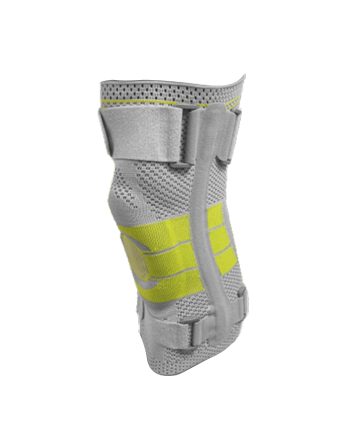
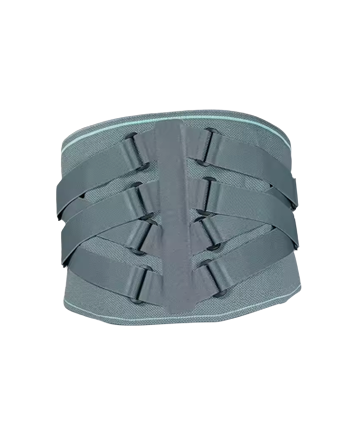
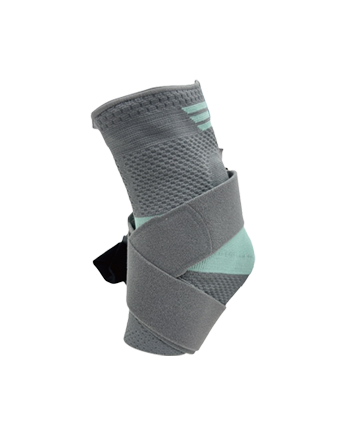
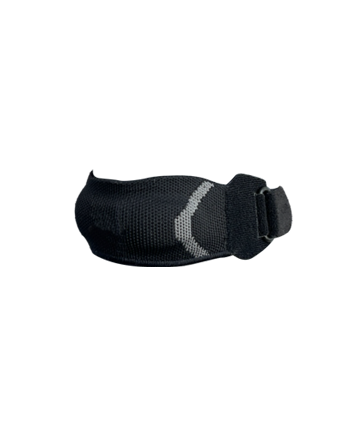
A customer sees a size chart before trying on a knee sleeve. The factory sees a technical specification before making it. A private-label project works better when those two documents describe the same product.
Simply changing the logo on an existing sleeve does not answer the sizing question. A retailer still needs to explain what to measure, where to measure it and how the result relates to the available sizes.
Start with the measurement method used for the proposed product. Ask the supplier to identify the body measurement location, the intended measurement conditions and the corresponding size ranges. A diagram can be more useful than a short instruction such as “measure your leg.”
Do not combine a measurement method from one supplier with size ranges from another. The chart should be reviewed against the actual sleeve being ordered.
A single medium sample provides only a limited view of a size range. Request the proposed sizes and compare their labels, finished dimensions and construction with the agreed specification. Record the measurement method for the garment itself so repeat checks are consistent.
If the project includes several colours or designs, confirm which variants share a sizing specification. Similar appearance does not establish that two constructions should use one chart.
Keep a short size-approval record:
Fit information should describe the product without making unsupported treatment claims. A retailer should not turn a basic size chart into a promise that a sleeve will prevent an injury or resolve a medical condition. Any therapeutic or measured compression claims need evidence appropriate to the product and its intended market.
The same discipline applies to review quotes and promotional images. They should not imply results that the supplier's information does not support.
The packaging, online listing and care label should agree on the size name, material information and care instructions. If an instruction is translated, check the meaning as well as the spelling. Keep the approved versions together with the sample record.
For a private-label order, the useful deliverable is more than a set of sleeve sizes. It is a consistent set of product specifications, customer instructions and labels. Reviewing those items together gives the retailer a clearer basis for answering sizing questions after launch.
Steriger is a national high-tech enterprise specializing in the R&D and production of high-quality sports supports, medical braces, and sports compression socks.
Copyright © Zhejiang Steriger Sports Medicine Technology Co., Ltd.
The information provided on this website is intended for use only in countries and jurisdictions outside of the People's Republic of China.

Approval No: 浙金药监械生产备20200039号

 English
 Español
 Deutsch
 عربى
عربى Français