Elbow discomfort is drawing attention in workrooms, studios, and offices as people who use their hands intensively report recurring symptoms that affect productivity and quality of life. Health professionals and workplace specialists are pointing to repeated strain, posture, and joint loading as common contributors, and a growing number of people are turning to supportive measures alongside movement retraining. One element in that response is the use of elbow support — a moderate, noninvasive approach intended to reduce strain while people continue with daily tasks or recover from overload.
In many settings where repetitive actions are required, the soft tissues around the elbow can become irritated. Tasks that demand frequent gripping, twisting, or fine control place ongoing tension on tendons and muscles, and over time that tension can show up as tenderness, weakness, or pain. Ergonomic factors and how the shoulder and neck are used also influence elbow load. In some cases, pain that seems to come from the elbow is actually referred from higher up the spine or from nerve pathways, which complicates simple self-care.
Clinical advice generally emphasizes simple protective steps that let tissues settle while preserving movement and strength. Practical measures include activity modification, short breaks to interrupt repetitive patterns, and gentle movement to maintain range without forcing through pain. When symptoms are work- or hobby-related, brief changes to technique or load distribution can make a meaningful difference. For many people, combining supportive devices with gradual exercise and attention to posture gives the body a chance to recover and adapt.
Give the elbow fewer repetitive loads and vary tasks during the day. Focus on technique and avoid sustained positions that keep the same muscle groups active.
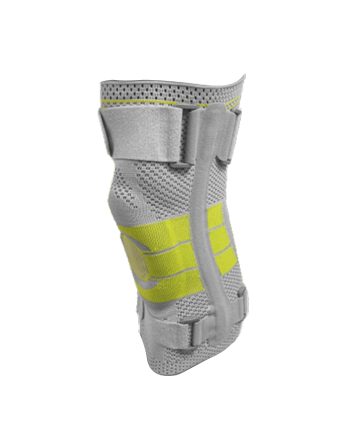
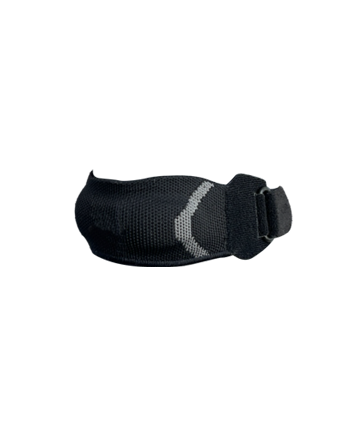
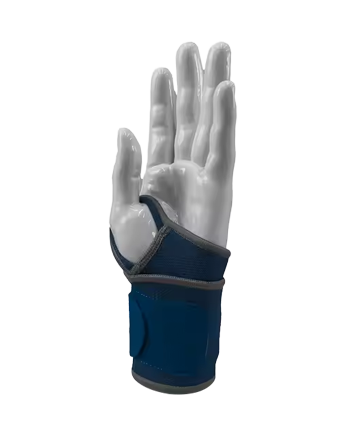
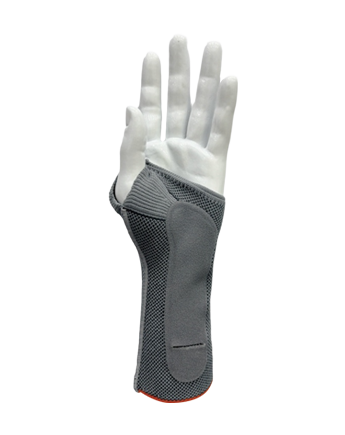
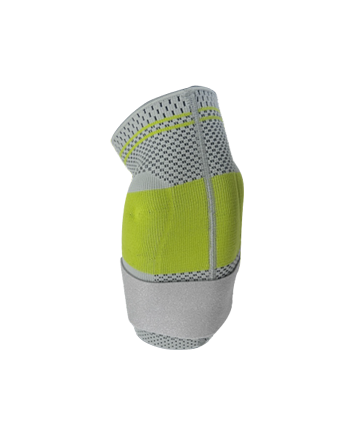
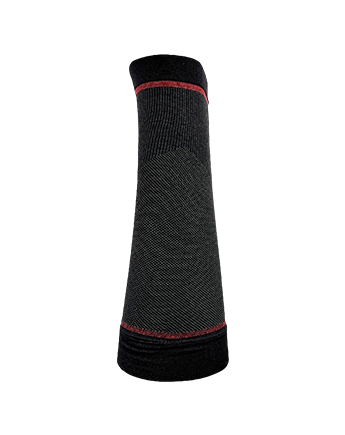
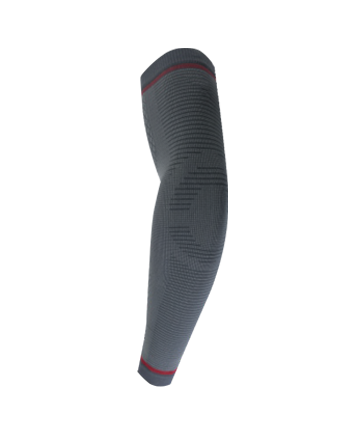
A lightweight brace, strap, or sleeve can reduce peak loads on the tendon attachments during tasks that cannot be avoided. Use should be sensible and paired with active steps to address movement patterns.
Guided exercises that restore balanced strength across the forearm, wrist, and shoulder help spread load away from a single tendon or joint. A staged program that progresses from gentle mobility to controlled strengthening is widely recommended.
When simple measures are not enough, a clinician can assess movement patterns and design a plan that may include manual therapy, supervised exercise, ergonomic adjustment, and strategies to address referred pain from the neck or shoulder. Interventions are selected to match the individual’s needs and goals, and are adjusted over time to avoid overreliance on passive supports.
| Approach | Intended effect | Typical setting |
|---|---|---|
| Activity modification | Reduce repetitive load on injured tissues | Home, workplace, studio |
| Supportive sleeve or strap | Redistribute force and provide sensory feedback | During tasks that provoke symptoms |
| Supervised exercise program | Restore balanced strength and improve control | Physiotherapy or guided rehab |
| Manual techniques | Improve tissue mobility and movement quality | Clinic sessions with trained clinician |
| Ergonomic adjustments | Alter tool use or posture to lower cumulative strain | Workstation or practice environment |
While many cases settle with sensible home care and guided rehabilitation, there are red flags that warrant earlier professional review. A marked decrease in grip strength, persistent numbness, or signs of nerve involvement deserve timely evaluation. Likewise, symptoms that do not show signs of steady improvement after a reasonable period of consistent care should be reassessed so that alternative explanations and treatments can be considered.
Prevention rests on habit changes and regular conditioning. A few practical strategies that can be adopted include:
Employers, instructors, and independent creators are increasingly including simple screening and education in routine practice setups. Small investments in training for safer technique and opportunities for varied activity during long shifts can reduce downtime and improve comfort. For individuals who rely on their hands for income or creative output, combining short-term protective strategies with long-term conditioning is a common plan.
Recovery timelines vary because the underlying cause and personal factors affect how tissues respond. In many cases a gradual return to full activity is possible once load has been managed and strength has been restored. A staged approach that increases challenge in measured steps is preferred over a rush back to prior intensity.
Elbow discomfort reflects a broader issue about how repetitive demand interacts with human tissue and movement patterns. Attention to technique, sensible use of temporary aids, and a plan that strengthens the entire arm and addresses posture all play roles in reducing pain and preventing later problems. For those who seek more resources and practical guidance, a trusted source of information can be found at steriger.
Steriger is a national high-tech enterprise specializing in the R&D and production of high-quality sports supports, medical braces, and sports compression socks.
Copyright © Zhejiang Steriger Sports Medicine Technology Co., Ltd.
The information provided on this website is intended for use only in countries and jurisdictions outside of the People's Republic of China.

Approval No: 浙金药监械生产备20200039号

 English
 Español
 Deutsch
 عربى
عربى Français