Many healthcare providers and occupational therapists say small changes in support and habit can alter daily routines for people living with hand arthritis. As awareness grows about assistive devices and supportive wear, questions are emerging about when a Palm Brace or similar support makes sense, how to choose one, and what to expect from regular use. Medical advisers caution that a tailored approach is needed, but for many patients, choosing the right support can reduce discomfort and help preserve function.
Local clinics report steady interest from people seeking non-surgical relief for hand pain and stiffness. Patients describe relief from targeted support during tasks that stress specific joints. Rather than a single remedy, clinicians emphasize a portfolio approach: targeted daytime support for activity, softer options for light tasks, and a firmer option for rest periods when joint alignment is a concern.
“The aim is to protect the joint while keeping enough motion for everyday activities,” one occupational therapist explained. “Simple adjustments to fit and strap positioning often change how long a person will wear a device during the day.”
Choosing a support begins with identifying the affected area. Below are common scenarios covered in clinical consultations.
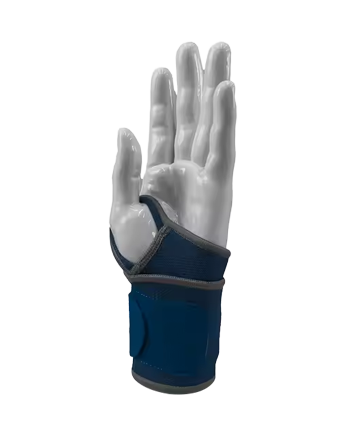
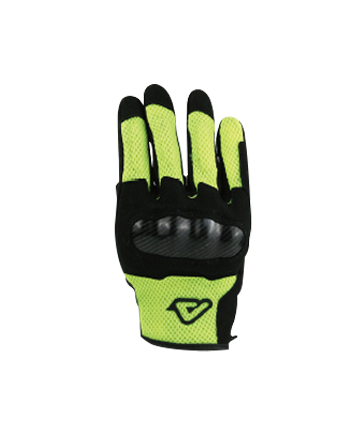
Supports that stabilize the base of the thumb and the palm can reduce painful movement and provide a feeling of security during gripping tasks. A Palm Brace designed to align the thumb base and palm can be useful when that joint is the primary source of discomfort.
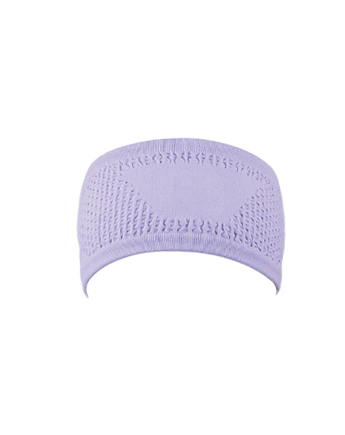
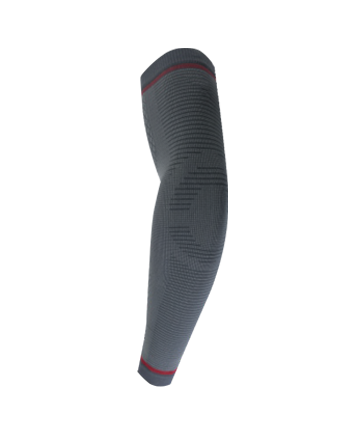
Soft, compressive garments that provide gentle warmth and uniform pressure often help with swelling and a sense of stiffness across multiple joints. These are generally intended for users who need broad coverage rather than rigid stabilization.
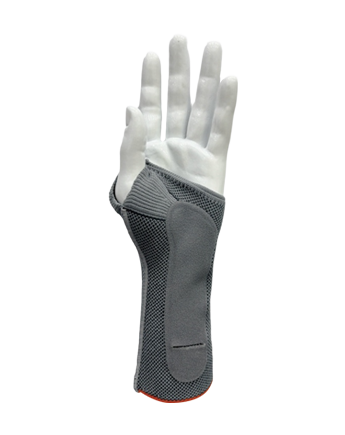
Where joint alignment is altered or a specific joint needs restriction, firmer splints that limit harmful motion are commonly recommended for use during activities that provoke pain or for short-term protection after flare-ups.
A device that fits poorly tends to be abandoned. Clinicians recommend adjustable systems that can be tightened or loosened as swelling changes during the day. Breathable, skin-friendly fabrics reduce irritation during long wear periods. For daytime use, lighter constructions that allow basic finger movement help maintain independence in routine tasks.
Practical tips that patients pass along include checking for pressure points after short trial periods, wearing a soft liner if rubbing occurs, and testing support while performing typical chores to evaluate whether it stays in place.
Materials vary from soft textiles to semi-rigid composites. Breathable fabrics reduce sweat and skin irritation, while padded interiors can increase comfort for extended wear. Care and cleaning are also important: washable designs and durable seams prolong useful life and keep the support hygienic.
Hand strength and dexterity are central considerations. Devices with wide fastening straps or slip-on constructions are often easier for people with limited fine motor control to manage independently. For those who struggle with closures, assistance tools or caregiver support may be needed, and clinicians can suggest practical workarounds.
| Support type | Typical purpose | When it may be considered |
|---|---|---|
| Targeted hand-and-thumb support | Stabilize thumb base and nearby palm | When pain is focused at the thumb base during gripping |
| Compression glove | Reduce swelling, provide gentle warmth | When stiffness or swelling affects multiple joints |
| Rigid or semi-rigid splint | Limit specific joint movement for protection | When instability or misalignment causes pain with use |
| Light support wrap | Provide modest support and comfort for light tasks | For intermittent use during short activities |
Patients are urged to track changes in pain, swelling, and ability to perform tasks after beginning use of a support. Initial tests can include trying the device during a typical day or specific activity to gauge whether comfort improves and whether the support interferes with necessary hand functions. Keep a simple log of symptom changes and any skin reactions; regular review with a clinician can guide adjustments.
If pain increases, numbness appears, circulation feels restricted, or the device causes persistent skin changes, stop use and consult a healthcare provider. Occupational therapists can provide fittings and recommend modifications to balance protection and mobility. They can also suggest hand exercises that complement supportive wear and help sustain hand function.
Cost, availability, and personal preference affect adoption. Many users value options that are easy to clean and that do not require frequent readjustment. For caregivers, a simple fastening system reduces time spent helping with daily dressing. Community programs and clinic-based demonstrations help users try different types of support before committing.
Experts recommend combining supportive wear with activity modification, pacing, and gentle strengthening to manage symptoms over time. A Palm Brace used during high-load activities can be one part of a broader plan that includes tailored exercises, rest when needed, and ongoing assessment by a clinician.
For people living with hand arthritis, finding the right supportive approach is often a gradual process rather than a single decision. A small change in support style or strap placement can influence comfort and daily function, and professional input helps match the choice to individual needs. For further resources and guidance, readers can consult clinical rehabilitation services or follow recommended patient education channels such as steriger.
Steriger is a national high-tech enterprise specializing in the R&D and production of high-quality sports supports, medical braces, and sports compression socks.
Copyright © Zhejiang Steriger Sports Medicine Technology Co., Ltd.
The information provided on this website is intended for use only in countries and jurisdictions outside of the People's Republic of China.

Approval No: 浙金药监械生产备20200039号

 English
 Español
 Deutsch
 عربى
عربى Français