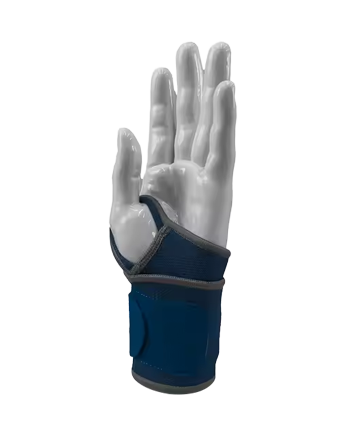
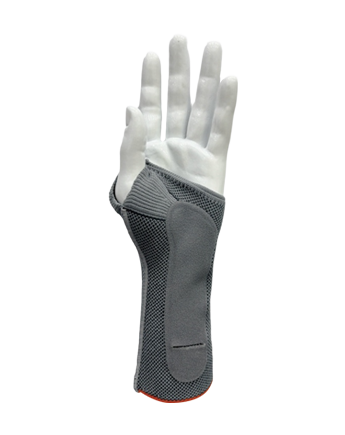
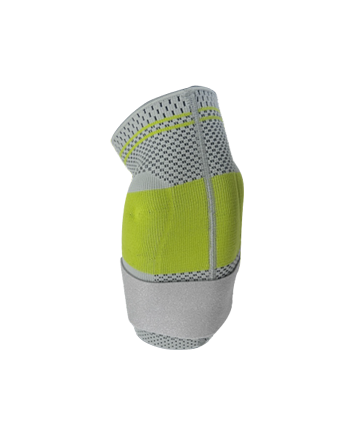
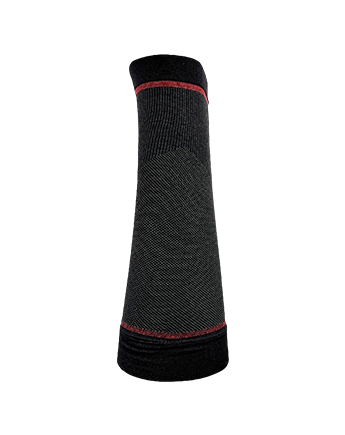
Wrist discomfort and injuries affect a significant number of people, from office workers to athletes. Beyond acute injuries, repetitive movements, chronic conditions, and age-related wear can compromise wrist function. Incorporating wrist support into daily routines is increasingly recognized not only as a recovery tool but also as a preventive measure for long-term wrist health. Understanding how these supports work and their practical applications can help individuals maintain functionality, reduce discomfort, and stay active.
Everyday tasks, from typing to cooking, place constant stress on the wrist. Even minor overuse over time can contribute to strain and discomfort. Wrist support provides a stabilizing framework that mitigates unnecessary stress while allowing the hand to function.
Support During Work: For individuals who type or perform repetitive tasks, braces reduce strain on muscles and tendons.
Household Activities: Tasks like lifting pots or handling utensils can be performed more comfortably with wrist support.
Sports and Exercise: Braces help prevent sudden twists or overextension during activities such as yoga, weightlifting, or ball sports.
By reducing excessive movements while preserving necessary motion, wrist support allows individuals to maintain daily routines without compromising wrist health.
Chronic conditions like arthritis or tendonitis often cause ongoing pain and swelling, which can limit productivity and affect quality of life. Wrist support can alleviate discomfort by providing gentle immobilization and promoting natural healing.
Inflammation Reduction: Stabilizing the wrist minimizes aggravating movements, helping control swelling.
Pain Control: Less strain on joints and tendons reduces discomfort throughout the day.
Sleep Benefits: By immobilizing the wrist during rest, braces can prevent painful nocturnal movements.
Many people notice gradual improvements in grip strength and reduced morning stiffness after consistent use, highlighting wrist support as an effective tool for both symptom management and functional improvement.
In addition to everyday use, wrist support plays a critical role during recovery from injury or surgery. Immobilization protects the affected area while encouraging safe, gradual movement as healing progresses.
Accident Prevention: Prevents unintended motion that could worsen an injury.
Controlled Rehabilitation: Supports alignment and reduces the risk of complications after surgery.
Confidence in Movement: Patients often feel more secure performing gentle tasks, aiding both mental and physical recovery.
Healthcare professionals commonly recommend wrist support as part of a comprehensive rehabilitation plan, complementing physical therapy and strengthening exercises.
A key challenge in using wrist support is ensuring comfort and encouraging consistent use. Braces that are too tight, poorly designed, or made of irritating materials can discourage adherence.
Proper Fit: Adjustable designs that conform to the wrist reduce pinching and rubbing.
Material Choice: Soft, hypoallergenic fabrics improve comfort for long-term wear.
Education: Guidance on wearing times and daily care helps users integrate support into routines.
By addressing these factors, individuals are more likely to wear wrist support consistently,good both comfort and effectiveness.
| Benefit Category | How It Helps | Practical Notes |
|---|---|---|
| Stability | Limits harmful motion | Supports safe movement during activities |
| Pain & Swelling Relief | Reduces strain on tissues | Helps manage chronic conditions |
| Rehabilitation | Protects post-injury or post-surgery areas | Promotes controlled healing |
| Functional Continuity | Allows finger and thumb movement | Supports work, hobbies, and daily tasks |
| Sleep Support | Immobilizes wrist during rest | Improves comfort and reduces nocturnal pain |
Beyond immediate recovery, wrist support can be an important part of a proactive health routine. Pairing a brace with ergonomic adjustments, gentle wrist exercises, and awareness of body mechanics ensures that the wrist remains flexible, strong, and less prone to strain.
This approach allows individuals to maintain an active lifestyle, reducing the likelihood of recurring injuries while promoting long-term comfort and function.
Using wrist support provides more than physical stability—it encourages confidence. Knowing that the wrist is protected allows people to continue working, exercising, and performing household tasks without fear of worsening their condition.
Using a wrist support consistently, together with professional advice, can support recovery and overall wrist wellness. Users may experience immediate pain relief while gradually improving grip strength, flexibility, and day-to-day wrist performance. For detailed guidance and practical wrist care solutions, visit Steriger.
Steriger is a national high-tech enterprise specializing in the R&D and production of high-quality sports supports, medical braces, and sports compression socks.
Copyright © Zhejiang Steriger Sports Medicine Technology Co., Ltd.
The information provided on this website is intended for use only in countries and jurisdictions outside of the People's Republic of China.

Approval No: 浙金药监械生产备20200039号

 English
 Español
 Deutsch
 عربى
عربى Français