Clothing choices that used to go unnoticed are drawing more attention as consumers examine how small items affect daily comfort and health. Socks are one such item. As people balance active routines, commutes, and office hours, the difference between everyday socks and performance-oriented sports socks has become clearer — and that shift is changing buying habits.
For many consumers, socks are more than a filler item; they are a good line of protection for the foot. Design choices — from fabric blends to structural support — influence moisture control, impact protection, and overall comfort. The growing interest in targeted designs has brought terms like cushioning zones, moisture management, and fit control into regular shopping conversations. Brands that highlight purpose-driven features may help shoppers match socks to their routines without guesswork.
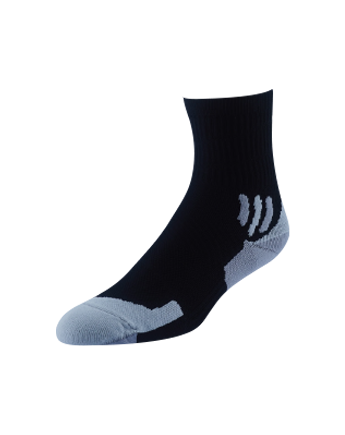
At a practical level, the two broad categories compared by shoppers are everyday socks and Sports Socks made for activity. Both provide basic coverage, but their priorities differ.
Construction and intent
Fabric behavior
Cushioning and protection
| Feature | Everyday socks | Sports Socks |
|---|---|---|
| Primary purpose | Comfortable daily wear | Support and protection during activity |
| Cushioning | Light or none | Zoned cushioning in high-contact areas |
| Moisture handling | Basic breathability | Active moisture movement away from skin |
| Fit behavior | Relaxed fit | Snug fit with zones to prevent slippage |
| Durability focus | General wear life | Shape retention under repeated use |
| Typical contexts | Office, social outings, casual footwear | Training sessions, long walks, court and field use |
Medical and footwear specialists emphasize that sock choice affects skin condition, friction, and pressure distribution. Moisture left against the skin can raise the chance of irritation and fungal growth. Repeated rubbing in a localized spot can create blisters, and uneven cushioning may concentrate pressure on small areas of the foot. A sock designed to manage moisture and protect impact zones can reduce common complaints linked to prolonged standing or frequent motion.
A podiatrist interviewed for this report noted that a modest change in underfoot layers can prevent recurring issues: keeping skin drier and reducing localized rubbing helps maintain skin integrity and reduces downtime from minor injuries.
People with varied routines describe how different socks serve their days. A commuter who walks two miles daily spoke about the value of a secure fit that prevents bunching inside the shoe. A weekend runner highlighted how added cushioning lessened soreness after longer runs. Designers add that the knit structure is as important as the materials themselves; selective reinforcement and compression-like zones keep the sock aligned with foot anatomy.
Retailers are adapting by creating clearer product descriptions and displays that show where a sock performs well. That guidance helps buyers avoid overloading one pair with many different demands, which often shortens its service life.
Selecting the right pair starts with assessing daily activity and preferences. The following guidelines offer simple, non-technical steps.
For daily office and social wear
For training, long walks, and active days
For jobs with prolonged standing
For mixed days (commute then office)
A considered approach to laundering and rotation extends the life of any pair. Gentle handling helps maintain cushioning and elasticity. Users who keep distinct pairs for activity and dress wear report longer usefulness and steadier appearance over time. Durability reduces waste and supports cost-effective choices in the long run.
Clear labeling that explains purpose in plain language reduces confusion. Terms that point to moisture control, cushioning zones, or fit features give shoppers quick clues without technical reading. Stores that present side-by-side comparisons help customers see trade-offs and pick the right pair for specific routines.
Industry observers suggest that when shoppers understand the role of design choices, returns fall and satisfaction improves. Education that connects simple features to real benefits — for example, "keeps foot drier during long walks" — supports sensible choices and reduces impulse purchases that fail to meet daily needs.
Several routine habits emerged from conversations with wearers:
Choosing the right sock for the intended use can reduce replacement frequency. While a pair intended for activity may have a different price profile than a basic casual pair, longer service life and reduced replacement can provide value over time. Consumers who want to limit environmental impact may consider durability and care practices alongside material sourcing.
Small design differences between everyday socks and Sports Socks add up to noticeable differences in comfort, hygiene, and footwear life. As daily routines evolve and people seek simple ways to protect their feet, clear product information and purposeful selection can reduce common issues and improve daily comfort.
For readers looking to compare features and find guidance on matching sock types to routines, company pages that provide clear explanations can be helpful; for an accessible overview and practical guidance on selection, visit steriger.
Steriger is a national high-tech enterprise specializing in the R&D and production of high-quality sports supports, medical braces, and sports compression socks.
Copyright © Zhejiang Steriger Sports Medicine Technology Co., Ltd.
The information provided on this website is intended for use only in countries and jurisdictions outside of the People's Republic of China.

Approval No: 浙金药监械生产备20200039号

 English
 Español
 Deutsch
 عربى
عربى Français