For people coping with elbow irritation caused by repetitive activity, the hours spent asleep can be an overlooked opportunity for recovery. Emerging clinical observations and practical guidance point to a clear idea: how you position your arm at night — and whether you use a gentle support — can either protect vulnerable tissues or unintentionally prolong discomfort.
Sleep is a long, sustained period when muscles relax, circulation shifts, and tissues undergo repair. If the elbow is held in an awkward angle or crushed under body weight for hours, small mechanical stresses can accumulate and keep inflamed tendons under strain. Researchers have explored the concept of a “pathological sleep position” that repeatedly aggravates an elbow lesion when the arm is overhead or the lateral elbow is pressed during sleep. Experimental work supports the idea that restraining harmful overnight postures may reduce nocturnal aggravation.
In practice, this means that even modest changes in how the arm rests can affect morning stiffness and the pace of symptom improvement.
Night-time patterns that commonly raise risk
Clinicians and therapists often see the same unhelpful habits appear in patient histories. While daytime activities matter, small nightly behaviors can add to cumulative strain.
Awareness of these patterns is the good step: once identified, they are relatively straightforward to modify with simple supports and reminders.
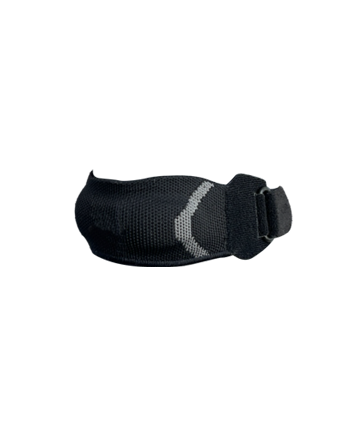
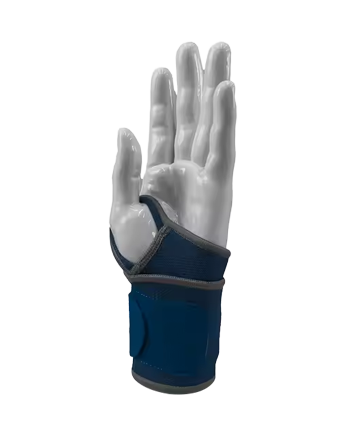
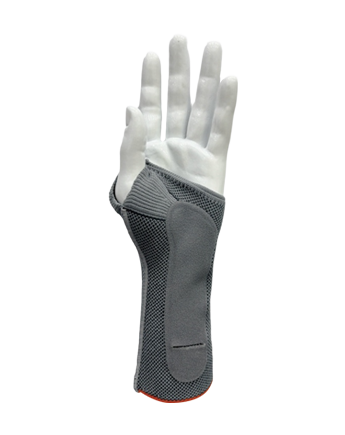
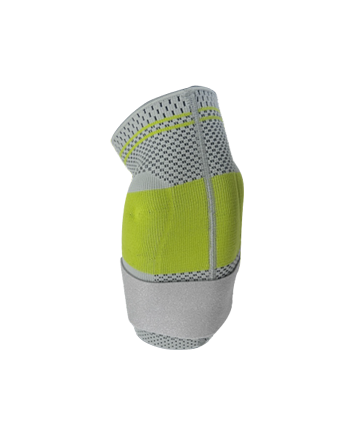
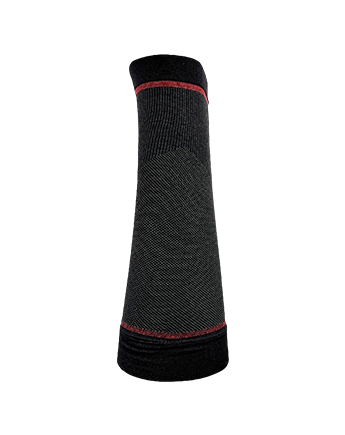
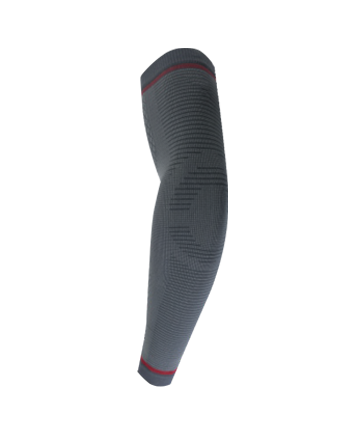
A lightweight, comfortable support worn at night is intended to prevent good postures and provide cushion rather than immobilize the joint completely. The effect is twofold: it protects the elbow from direct pressure and serves as a tactile cue that discourages rolling into a harmful position.
When choosing to try one, prioritize comfort, breathability, and an ease of adjustment so circulation is not impeded. Using a support alongside positional changes tends to be more effective than relying on either approach alone.
Shifting sleep behavior is easier when the adjustments are simple and repeatable. Below are recommended patterns and quick setup notes.
Small night-time rituals help these strategies stick: a quick arm placement check before lights out, keeping a spare pillow at hand for repositioning, and using a support only as long as it feels comfortable.
The table below summarizes common sleep strategies, expected effects on comfort, and easy adjustments to try. It avoids technical measurements and focuses on observable outcomes.
| Sleep Choice | Likely effect on elbow comfort | Easy adjustment to try |
|---|---|---|
| Back with arm at side | Neutral alignment, often reduced pressure | Place a slim pillow under forearm |
| Side on injured side | Direct pressure, likely morning stiffness | Sleep opposite side; pillow between body and arm |
| Side on healthy side | Lower direct pressure when supported | Let elbow rest on pillow with soft bend |
| Arm overhead while sleeping | Increased tension through shoulder and elbow | Bring arm down to the side before sleep |
| Stomach sleeping | Neck and upper back strain affecting arm | Transition to back or side with pillow support |
Creating a short pre-sleep routine that reduces local inflammation and muscle tension can enhance the benefits of better positioning.
Consistency matters: small, repeated practices at night contribute to cumulative relief over days and weeks.
Night strategies are low risk but not always sufficient. Seek clinical guidance if:
A clinician can assess whether supervised exercises, targeted manual therapy, or a tailored splinting plan is needed. There is evidence that managing pathological sleep posture can be part of a broader care plan that reduces nocturnal aggravation.
Physical therapists and occupational health professionals routinely advise pairing positioning with daytime load management. Clinicians report that patients who adopt a nightly routine — neutral arm alignment, a comfortable support when needed, and pre-sleep calming habits — often notice fewer morning pain spikes and improved tolerance for daily activities. The practical takeaway from clinical practice is that night-time interventions are accessible and can support other elements of recovery.
If you decide to try a gentle Elbow Support for night-time use, follow these guiding principles:
These pragmatic steps let you evaluate whether night-time support contributes to your recovery without committing to complex devices or long-term bracing.
Night-time care for elbow irritation is a practical area where modest behavior changes produce real benefits. By avoiding direct pressure, maintaining neutral alignment, and using gentle support when helpful, many people can reduce morning stiffness and protect healing tissues during the long hours of sleep. For clear, step-by-step resources and further suggestions on how to set up night-time support and positioning, explore additional guidance at steriger.
Steriger is a national high-tech enterprise specializing in the R&D and production of high-quality sports supports, medical braces, and sports compression socks.
Copyright © Zhejiang Steriger Sports Medicine Technology Co., Ltd.
The information provided on this website is intended for use only in countries and jurisdictions outside of the People's Republic of China.

Approval No: 浙金药监械生产备20200039号

 English
 Español
 Deutsch
 عربى
عربى Français