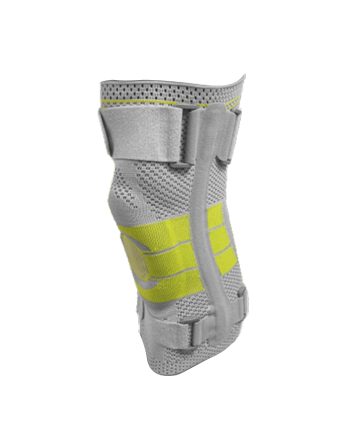
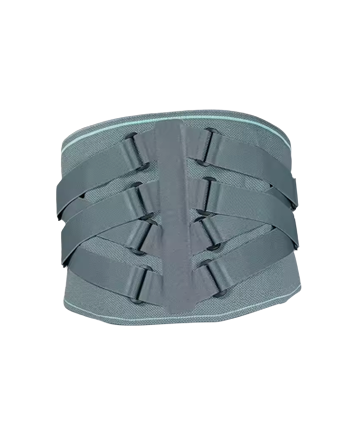
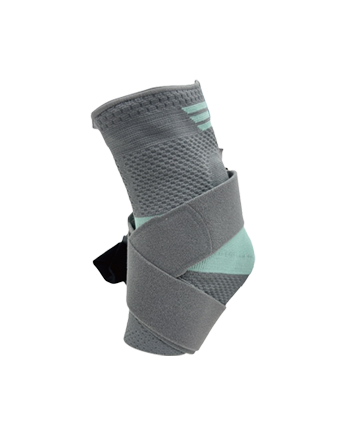
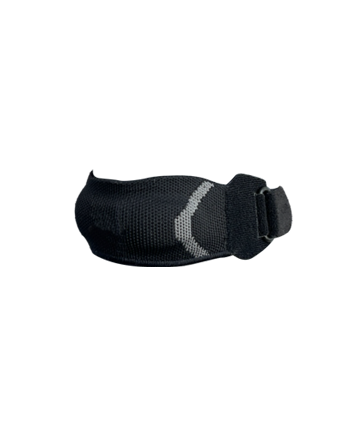
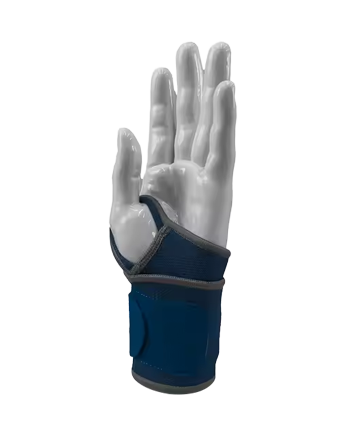
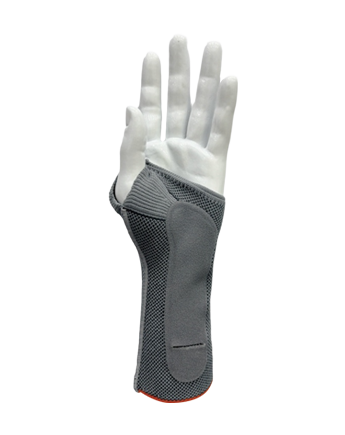
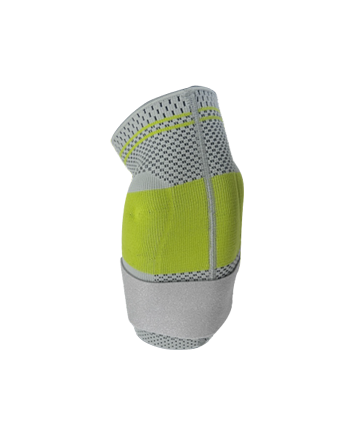
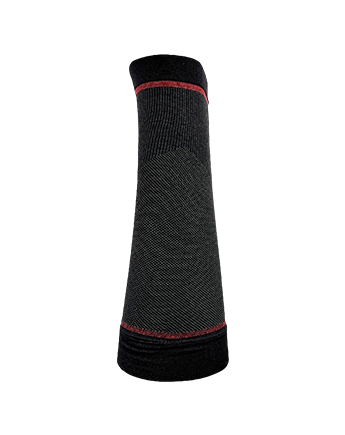
As attention turns toward practical steps that support joint health, conversation is widening to include where supportive devices are made and how those places shape user outcomes. A growing number of clinicians, trainers, and facility managers are looking beyond simple product choices to consider the chain from design and production to instruction and follow-up. The phrase Knee Brace Factory captures more than a physical site: it evokes a set of practices — engineering, quality control, and education — that together affect how well a support device serves someone during recovery, daily life, or sport.
Manufacturing settings that emphasize consistent build standards and clear user guidance can help reduce variability between units and make it easier for wearers to get a reliable fit. For users, that translates into fewer surprises when they put a device on for the good time, and clearer signals about how to care for it. Health professionals note that predictable performance from a support device helps them incorporate that device into a rehabilitation plan with greater confidence.
Design choices made early in a production line also shape how intuitive a device is to apply. Simple alignment markers, easy-to-adjust closures, and robust fastenings reduce the chance that a wearer will apply the device incorrectly. The facility environment plays a role here because it determines how much iterative testing, clinician feedback, and real-world validation are part of the process.
When a support device is used as intended, several practical benefits often emerge:
Support that aids controlled movement
Injury prevention during activity
Better comfort and adherence
Different stakeholders describe distinct but overlapping priorities when it comes to external support devices.
Clinicians
Coaches and trainers
Patients and active adults
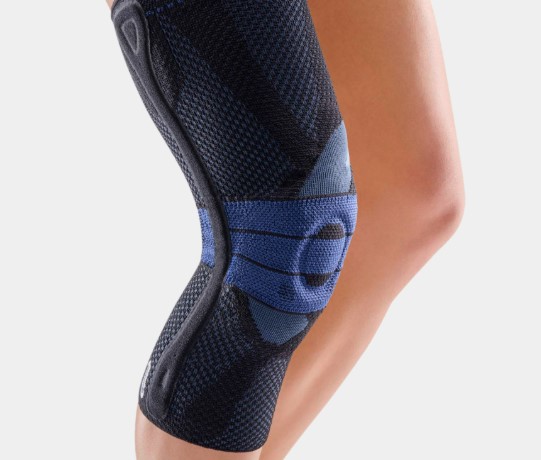
Choosing and using a device benefits from a few practical steps and realistic expectations.
Purpose and planning
Fit and application
Ongoing care
| Context | Typical need | How correct usage helps |
|---|---|---|
| Athletic training | Control of rapid motion and pivoting | Keeps movement within safer ranges while allowing performance |
| Rehabilitation after a procedure | Gentle support for progressive loading | Helps reduce pain and supports gradual return to activity |
| Day-to-day joint support | Reduced discomfort during walking or standing | Lowers strain during routine tasks and improves confidence |
| Physically demanding work | Stability during repetitive tasks | Limits sudden, injurious movements and reduces fatigue |
Good outcomes hinge not just on technical design but also on how instruction is conveyed. Straightforward user guides, clear visual aids, and simple maintenance tips help users apply devices properly. Factories that include clinician feedback loops and usability testing are more likely to produce units that are easier to fit and care for in everyday life. When designers, production teams, and health professionals collaborate, the end result is typically a device that fits into normal routines rather than becoming an added burden.
External support helps manage certain risks but is not a substitute for appropriate rest, rehabilitation, or clinical oversight. Users should avoid advancing activity too quickly, watch for skin irritation or pressure points, and seek professional advice if pain persists or symptoms change. For those planning prolonged or high-demand use, a tailored plan crafted with a clinician will reduce the chance of setbacks.
Routine instruction at the point of handover — whether from a clinician, trainer, or supplier — makes a noticeable difference in day-to-day use. Short demonstrations, a simple checklist for fit, and a maintenance reminder can substantially increase adherence and reduce misuse. Facilities that prioritize educational materials, both printed and digital, help users get the good value from a device.
As the conversation around joint care shifts from occasional fixes to sustained strategies, the role of consistent production and clear user guidance grows. A well-run Knee Brace Factory is part of a broader ecosystem that supports recovery, reduces disruption to daily life, and helps active people maintain routines safely. When manufacturing, clinical practice, and user education align, the result is improved confidence for wearers and clearer options for those who need support during activity or healing.For readers seeking practical resources and further guidance, consider looking into clinician-reviewed materials and supplier guidance pages such as steriger.
Steriger is a national high-tech enterprise specializing in the R&D and production of high-quality sports supports, medical braces, and sports compression socks.
Copyright © Zhejiang Steriger Sports Medicine Technology Co., Ltd.
The information provided on this website is intended for use only in countries and jurisdictions outside of the People's Republic of China.

Approval No: 浙金药监械生产备20200039号

 English
 Español
 Deutsch
 عربى
عربى Français