As injuries and age-related joint changes place new demands on everyday movement, clinicians, therapists, and product designers are giving renewed attention to external supports that help people stay mobile. Knee stabilizers — wearable supports designed to control motion, redistribute load, and protect vulnerable tissues — are increasingly discussed not as a shortcut but as a practical element within broader care plans. Health services, sports programs, and workplace wellness teams are asking whether routine use of such supports can reduce interruptions to activity, speed return to function, and lower the risk of recurrent problems.
The knee is a complex joint that balances mobility with load-bearing duties. When structures such as ligaments, cartilage, or tendons are injured or stressed, the joint can feel unstable, painful, or unreliable during everyday tasks. Restoring confidence in movement is often a key step toward resuming normal activity.
Experts emphasize that a stabilizer is usually one component among several — combined with exercise, activity modification, and gradual loading — rather than a standalone fix.
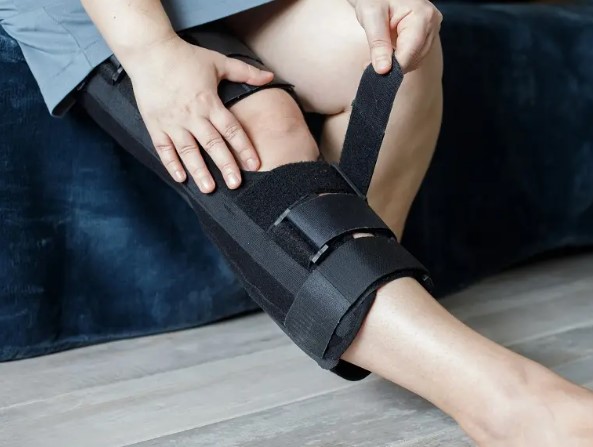
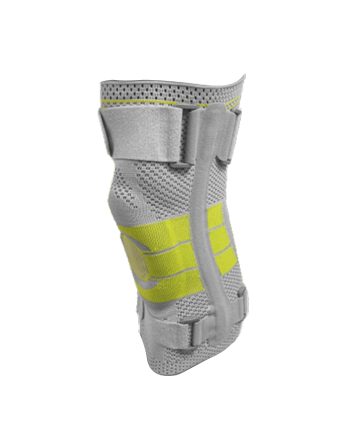
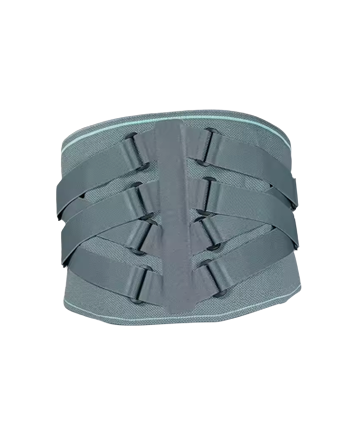
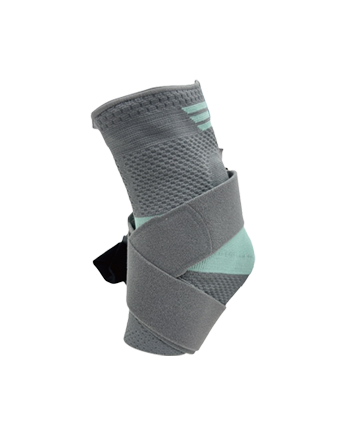
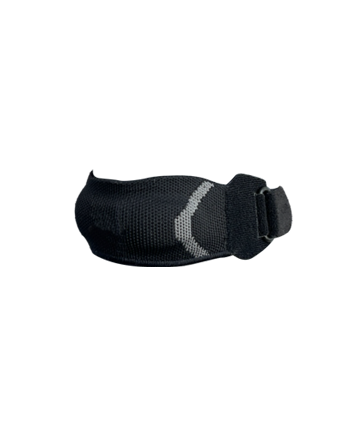
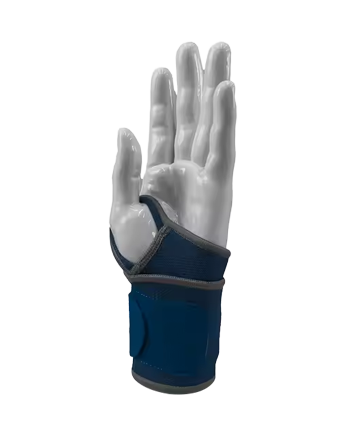
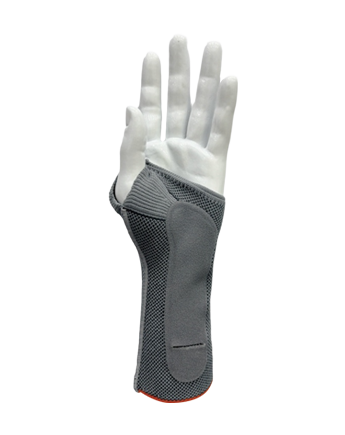
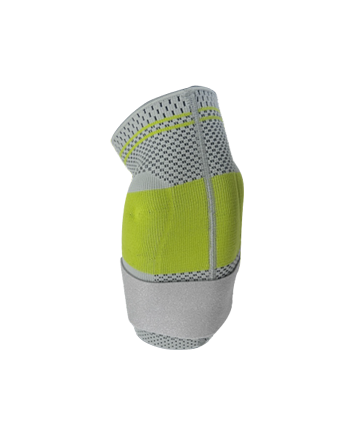
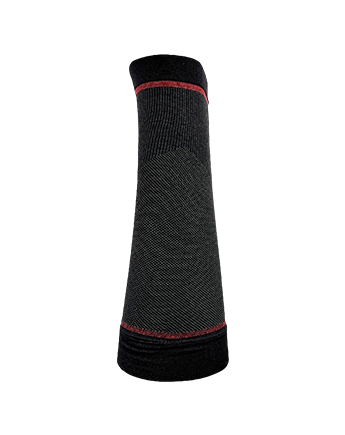
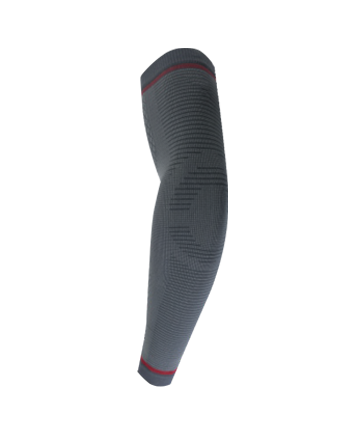
Knee stabilizers vary from soft sleeves that provide compression and proprioceptive feedback to structured devices that include rigid panels or hinges. Each design targets different needs, from general support to controlling specific directional movement.
The choice of design follows a clinical assessment of the underlying problem, the user’s goals, and how much external control is required.
A variety of people find knee stabilizers useful at different stages of recovery or activity. The population includes those recovering from acute injuries, people living with chronic joint conditions, and individuals seeking added security during higher-risk activities.
Healthcare professionals typically recommend supports with clear instructions about duration and contexts of use to avoid overreliance or unnecessary restriction.
Using a knee stabilizer effectively requires matching the device to the clinical goal and pairing it with active rehabilitation. Simple rules help make the device an asset rather than a crutch.
Clear guidance and brief training from a clinician or therapist improve outcomes and user confidence.
Comfort and usability determine whether a person will use a stabilizer regularly. Designers and clinicians both prioritize fit, breathability, and an absence of pressure points.
Attention to detail in design usually translates into higher daily adherence and better real-world benefits.
A wearable device works well only when kept clean and mechanically sound. Basic maintenance preserves performance and hygiene.
Instituting a simple routine of inspection and care reduces surprises during activity.
Clinical experience supports the use of stabilizers as part of staged care for many knee conditions. Trials and observational reports commonly show symptom relief and functional improvement when supports are used alongside therapy. However, professionals caution that long-term reliance without strengthening or habit changes may limit recovery.
Healthcare teams recommend periodic reassessment so support strategies evolve as recovery progresses.
| Consideration | What it addresses | Practical tip |
|---|---|---|
| Level of support | From light compression to rigid control | Match support level to the clinical aim and activity |
| Fit and comfort | Wearability over long periods | Try adjustments and monitor for pressure marks |
| Activity context | Daily walking vs sport vs recovery | Use device selectively for higher-risk tasks |
| Integration with therapy | Strength and movement retraining | Pair with guided strengthening for lasting benefit |
As the demand for hybrid care solutions grows, knee stabilizers are likely to remain a pragmatic option for managing symptoms and supporting activity. Employing them within a clear recovery or maintenance plan — one that includes exercise, activity modification, and professional oversight — increases the chance of a successful outcome. For people and teams seeking guidance on practical applications and user experience, community resources and practitioner networks offer further examples and case discussions at steriger.
Steriger is a national high-tech enterprise specializing in the R&D and production of high-quality sports supports, medical braces, and sports compression socks.
Copyright © Zhejiang Steriger Sports Medicine Technology Co., Ltd.
The information provided on this website is intended for use only in countries and jurisdictions outside of the People's Republic of China.

Approval No: 浙金药监械生产备20200039号

 English
 Español
 Deutsch
 عربى
عربى Français