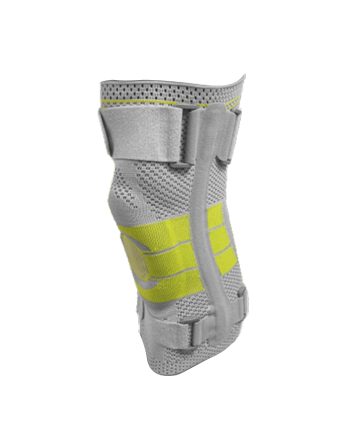
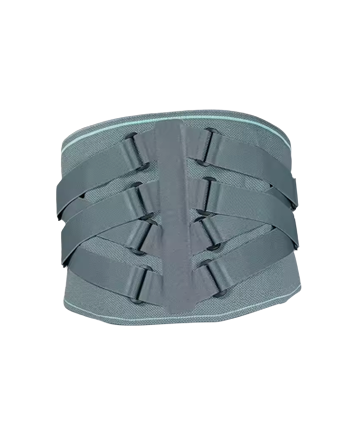
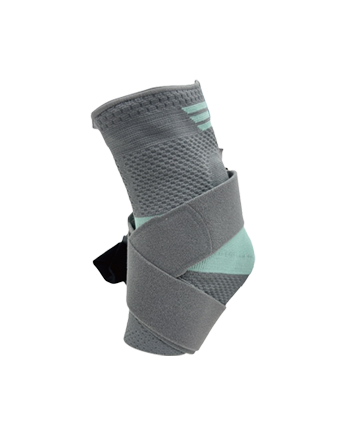
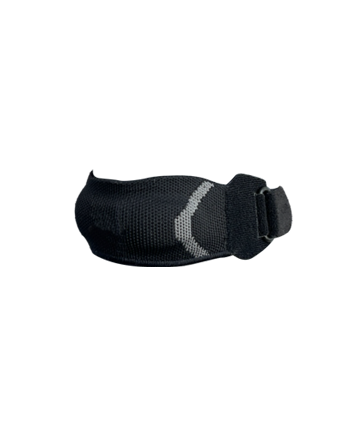
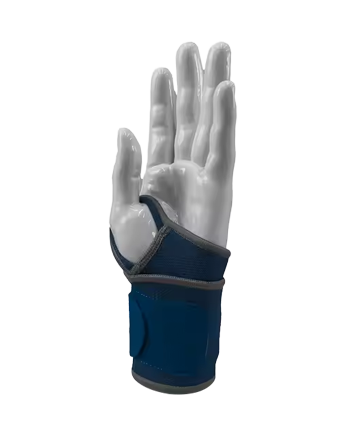
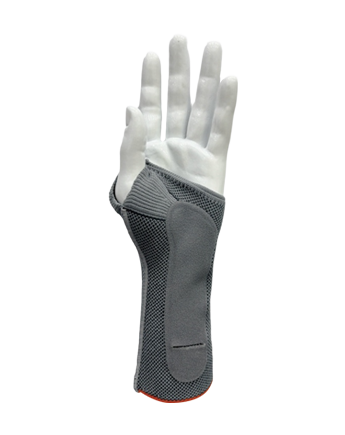
Hand tendonitis is a frequent reason people seek relief for wrist, thumb or finger discomfort. As repetitive tasks and sudden strains continue to shape many daily routines, attention is turning to conservative measures that reduce pain and restore function. One commonly recommended tool is the palm brace — a supportive device intended to limit motions that aggravate inflamed tendons.
Tendonitis refers to inflammation or irritation of a tendon, the fibrous cord connecting muscle to bone. In the hand and wrist, tendonitis can arise from ongoing repetitive movements, forceful gripping, or a single strain. Typical signs include pain near a joint, tenderness to touch, swelling, and difficulty moving the affected area.
Understanding the pattern of symptoms helps guide the choice of support and other conservative therapies.
A brace that supports the palm and adjacent joints reduces the range of motion that stresses irritated tendons. By limiting specific movements, a palm brace can lower pain during daily activity and create conditions more favorable for healing.
Used sensibly, a palm brace is an element of a broader, conservative care plan that emphasizes gradual recovery and restoration of function.
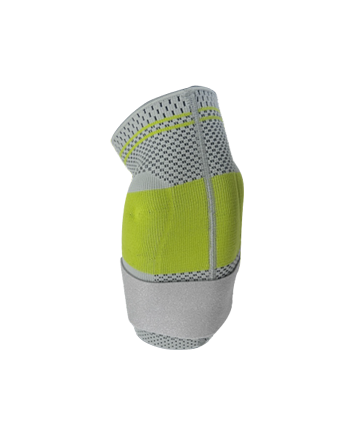
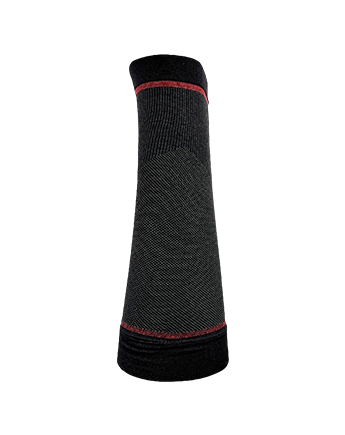
Different designs focus on stabilizing parts of the hand or wrist. The choice depends on the area affected and the daily activities the person must manage.
Selecting the appropriate support should follow an assessment of symptoms and daily demands, and guidance from a clinician or hand therapist can improve fit and comfort.
Bracing is good useful when fitted properly and paired with sensible behavior changes. Long periods of immobilization without a plan can good to stiffness or reduced function, so balance is key.
A practical strategy is to reduce or modify the repetitive tasks that contributed to tendon irritation, while using the brace to bridge the gap between rest and return to full activity.
Most people improve with sensible self-care, but persistent or worsening symptoms merit further assessment. Consider professional review if pain interferes with routine tasks, if a finger becomes firmly locked, or if there is progressive swelling or loss of motion after a short period of self-management.
Medical or interventional options are selected based on the diagnosis, symptom severity and the individual’s goals. A clinician can also prescribe a customized splint or direct a supervised therapy program tailored to the tendon or tendon sheath involved.
Alongside a support device, several practical measures can help minimize strain and speed recovery.
Early attention and small adjustments often prevent the pattern of flare-ups that leads to longer recovery times.
| Focus area | Action | Why it helps |
|---|---|---|
| Immediate relief | Protect the area with a brace during provoking tasks | Lowers repetitive stress and pain |
| Activity change | Modify grip patterns and add pauses | Reduces cumulative tendon load |
| Rehabilitation | Start tendon-gliding and gradual strengthening | Restores normal glide and function |
| Professional input | Seek assessment if symptoms persist or worsen | Ensures correct diagnosis and treatment plan |
| Long-term prevention | Vary tasks and improve ergonomics | Lowers risk of recurrence |
Recovery varies by the specific tendon involved and how quickly protective measures are adopted. Many people experience meaningful symptom relief when they combine temporary support with activity changes and progressive rehabilitation. Prevention focuses on mixing tasks, respecting early symptoms, and using short protective periods to avoid a pattern of chronic irritation.
A palm brace can be a useful tool to reduce pain and protect irritated tendons while a recovery plan unfolds. The device works good when it is part of a coordinated approach that includes task modification, guided exercises and professional follow-up when needed. For options and care resources tied to hand supports and guidance, a helpful starting point can be found through trusted suppliers such as steriger — and a clinician or hand therapist can help shape a plan that matches personal needs.
Steriger is a national high-tech enterprise specializing in the R&D and production of high-quality sports supports, medical braces, and sports compression socks.
Copyright © Zhejiang Steriger Sports Medicine Technology Co., Ltd.
The information provided on this website is intended for use only in countries and jurisdictions outside of the People's Republic of China.

Approval No: 浙金药监械生产备20200039号

 English
 Español
 Deutsch
 عربى
عربى Français