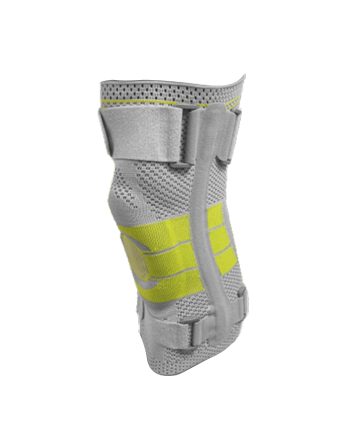
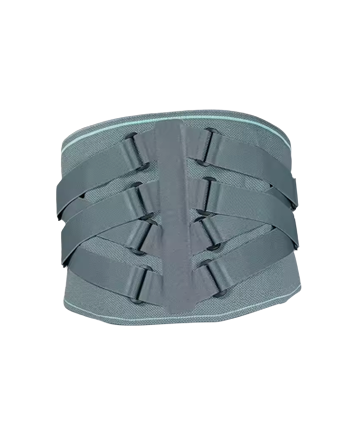
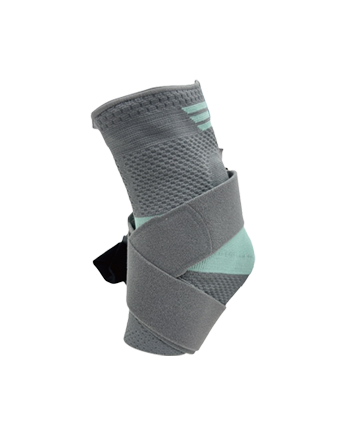
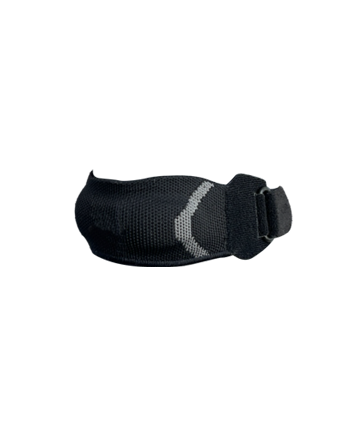
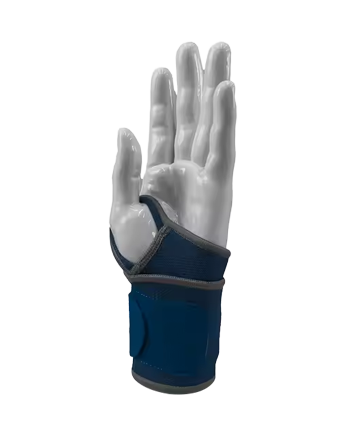
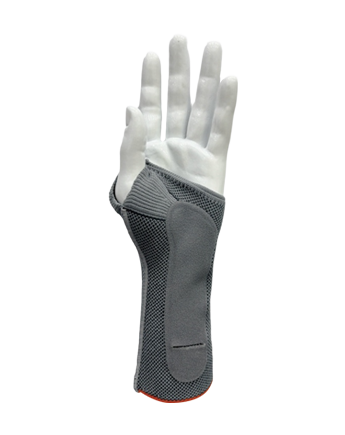
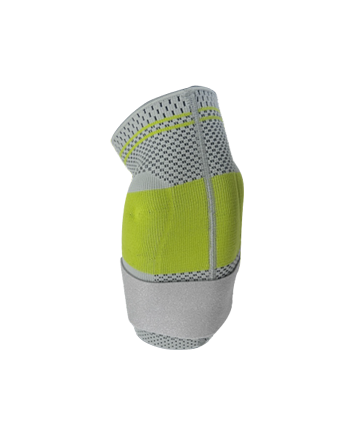
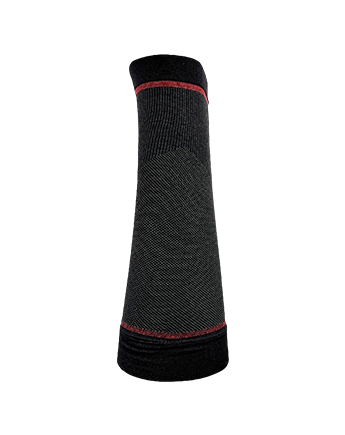
As more people mix active routines with busy daily schedules, a modest tool is receiving fresh attention from clinicians and movement specialists: knee sleeves. Health reporters spoke with rehabilitation experts and reviewed practical guidance to identify clear signals that may indicate a trial of external support could be helpful.
A changing activity pattern across age groups, combined with a wider appetite for low-impact exercise and recreational sport, is bringing attention to simple management strategies. For many, early discomfort appears during movement and fades at rest; others notice swelling after a day of walking or a session of exercise. In these cases, a compressive sleeve or supportive wrap is frequently recommended as a temporary, noninvasive measure while the underlying cause is explored.
When pain becomes more noticeable during walking, stair climbing, or exercise but eases with rest, it often reflects repetitive mechanical stress on joint tissues. Using a sleeve can lower stress during activity and make therapeutic exercises more tolerable.
Fluid or visible enlargement near the knee signals irritation. A compressive sleeve helps limit excessive motion and can create a steadier environment for the joint while inflammation settles and treatment progresses.
Feeling that the knee could buckle under weight leads people to alter how they step and land, increasing risk. A supportive sleeve that encourages alignment and offers gentle stabilization can reduce sudden shifts and improve confidence during daily tasks.
When the same region is repeatedly strained after twists, landings, or sudden turns, a protective sleeve during the return to activity can prevent setbacks and help maintain consistent rehabilitation work.
If the knee is stiff after sleep and loosens with movement, short-term external support may assist early-day tasks by promoting steadier joint tracking during initial steps.
Noisy joints or sensations of catching may indicate tissues that do not glide smoothly. A sleeve will not repair internal tissue damage, but it can limit abnormal forces that contribute to irritation and reduce discomfort during movement.
Rehabilitation professionals emphasize that sleeves are an adjunct, not a standalone fix. Their utility lies in enabling active participation in therapeutic work by lowering pain and improving safety during exercise. Clinicians recommend a measured approach: define the goal for using a sleeve, use it for a time-limited phase tied to rehabilitation milestones, and pair it with targeted strengthening, balance training, and mobility drills.
| Symptom | Why it matters | Reasonable next step |
|---|---|---|
| Movement-linked pain | Suggests repeated mechanical load during activity | Trial supportive sleeve during activity and schedule an assessment |
| Visible swelling | Reflects inflammation or irritation | Use gentle compression and follow clinician guidance on rest and movement |
| Buckling or instability | Raises fall risk and alters movement patterns | Explore stabilizing support and begin balance and strength work |
| Recurrent flare-ups | Indicates incomplete recovery or repeated stress | Protect during return to activity and follow a staged rehab plan |
| Morning stiffness | Limits early-day mobility | Pair support with warm-up and mobility exercises |
| Catching or clicking | May reflect irregular tissue motion | Monitor; consult a clinician if persistent or worsening |
Supportive sleeves are good effective when integrated into a broader care plan that emphasizes progressive loading and corrective exercises. They can allow people to maintain or resume activity while tissues calm down and strength is rebuilt. For many, the immediate reduction in strain encourages adherence to rehabilitation steps, since pain is less likely to interfere with therapeutic routines.
If symptoms intensify, the knee locks or gives way suddenly, swelling becomes pronounced, or the ability to bear weight is lost, a prompt clinical review is recommended. Diagnostic checks can identify structural concerns that call for targeted treatment, and clinicians can advise whether short-term external support is advisable within a structured plan.
Professionals who specialize in movement and recovery stress the importance of tailoring support to individual needs. Excessive restriction can reduce muscle engagement and slow recovery, while insufficient support may fail to address instability. Aim for a balanced, time-limited use that is driven by specific functional goals, with regular re-evaluation as strength and control improve.
As communities look for sensible, low-risk ways to manage activity-related knee symptoms, supportive sleeves are drawing interest as one component of conservative care. They can offer comfort and stability when used with clear intent and combined with rehabilitation. Readers who wish to explore options and practical guidance can follow clinical resources and community guidance; for a starting reference, see steriger.
Steriger is a national high-tech enterprise specializing in the R&D and production of high-quality sports supports, medical braces, and sports compression socks.
Copyright © Zhejiang Steriger Sports Medicine Technology Co., Ltd.
The information provided on this website is intended for use only in countries and jurisdictions outside of the People's Republic of China.

Approval No: 浙金药监械生产备20200039号

 English
 Español
 Deutsch
 عربى
عربى Français