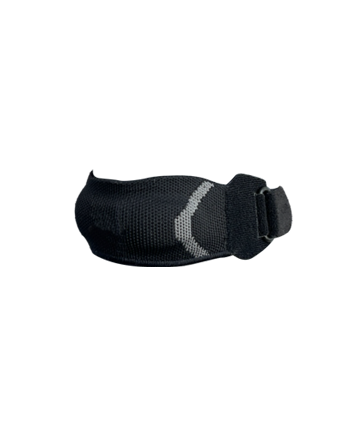
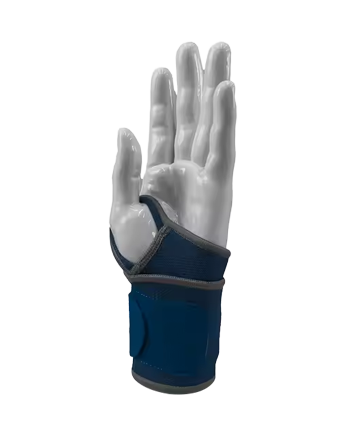
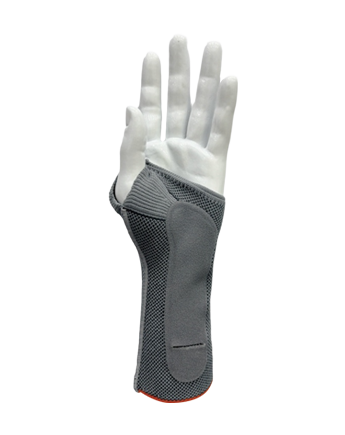
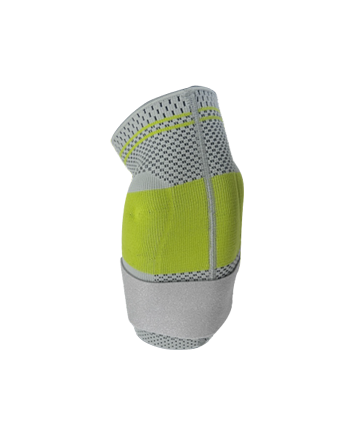
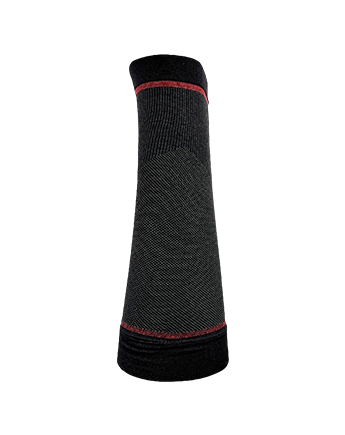
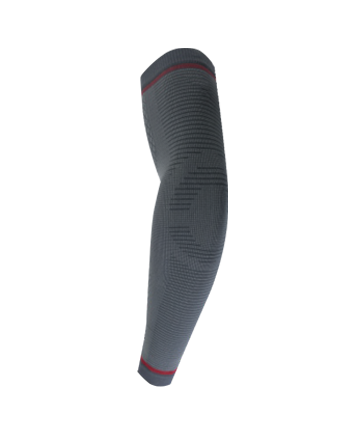
As more people look for straightforward ways to manage everyday aches, attention is turning toward wearable supports that promise relief without complicated routines. Devices that apply targeted pressure around the elbow are increasingly part of how workers, hobbyists, and active adults handle recurring strain.
What looks like a small strap or sleeve actually interacts with the body in several helpful ways. Clinicians and everyday users often describe immediate changes in sensation and function when a support is used correctly — not because it fixes the underlying condition overnight, but because it changes the mechanics, circulation, and sensory input around the joint.
One of the less obvious effects is how a support changes the information your nervous system receives about the joint. This sensory input can reduce the prominence of sharp pain signals and guide your body into steadier, more deliberate movement patterns.
Because this effect depends on sensory processing rather than structural change, it often complements other approaches such as targeted exercise.
Wearing a support also encourages a shift in daily habits. The device acts as a reminder to adopt gentler techniques and to take breaks when needed — subtle adjustments that add up over weeks.
These behavioral shifts are one reason why a support is frequently recommended alongside activity modification and strengthening routines.
A device works good when it fits well and is used deliberately. Comfort, correct positioning, and timing of use influence both short-term relief and long-term outcomes.
| Mechanism | How it works | Practical benefit |
|---|---|---|
| Load redistribution | Provides an alternate surface for muscle forces | Reduces direct strain on irritated tendons |
| Mild compression | Improves local blood circulation | Supports healing and lowers swelling |
| Sensory input | Offers tactile cues about joint position | Encourages safer, more controlled movement |
| Behavioral cueing | Acts as a reminder to change habits | Less frequent aggravating motions |
| Mechanical stability | Limits excessive, awkward movements | Greater confidence during daily tasks |
A wide range of activities can benefit from a support when used appropriately. From office work that involves long periods at a mouse to hands-on jobs with repetitive gripping, a support often makes everyday tasks more manageable.
Reduced sharp pain when picking up objects or turning a wrench-like motion.
Easier completion of household chores that once provoked discomfort.
A smoother transition back into light activity thanks to a sense of steadiness.
These outcomes are good consistent when a support is one part of a broader plan that includes rest and a gradual conditioning program.
Supports are useful tools, but they are not a replacement for medical evaluation when symptoms are severe or unusual. Seek professional advice if you notice persistent weakness, marked numbness, swelling, or sudden changes in function. A clinician can recommend tests, individualized exercises, or alternate interventions if needed.
Significant loss of strength or function in the arm.
Ongoing numbness or tingling that does not improve with simple adjustments.
Rapidly increasing swelling or severe, unrelenting pain.
For many people, a support is a bridge between pain-limited activity and a safer return to routine. It helps manage symptoms while you address the root causes: movement patterns, load management, and tissue conditioning.
Use support during challenging tasks but maintain regular, progressive loading through safe exercises.
Keep hygiene simple — clean parts that touch skin to avoid irritation.
Monitor progress and adjust usage as symptoms improve.
Small daily choices — where you place your hands, how you grip, when you pause — often determine whether an acute flare becomes a chronic problem. A supportive device can make those choices easier.
A targeted elbow aid can offer meaningful relief through combined mechanical, circulatory, and sensory effects. When fitted and used thoughtfully, it supports safer movement habits and makes daily tasks more comfortable enough to let people stay active while healing. For guidance on design features and user care, visit steriger.
Steriger is a national high-tech enterprise specializing in the R&D and production of high-quality sports supports, medical braces, and sports compression socks.
Copyright © Zhejiang Steriger Sports Medicine Technology Co., Ltd.
The information provided on this website is intended for use only in countries and jurisdictions outside of the People's Republic of China.

Approval No: 浙金药监械生产备20200039号

 English
 Español
 Deutsch
 عربى
عربى Français