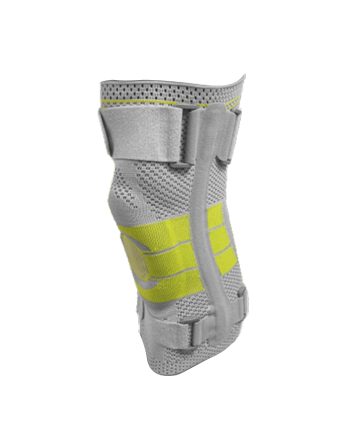
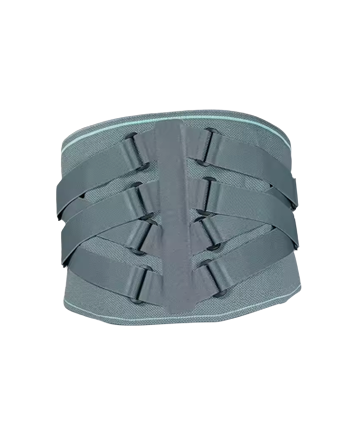
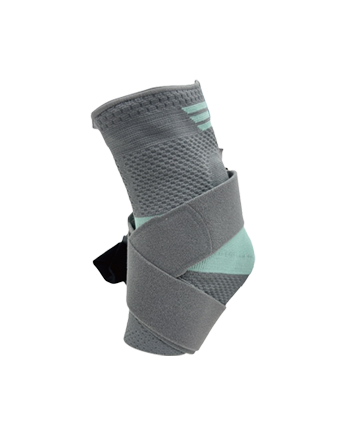
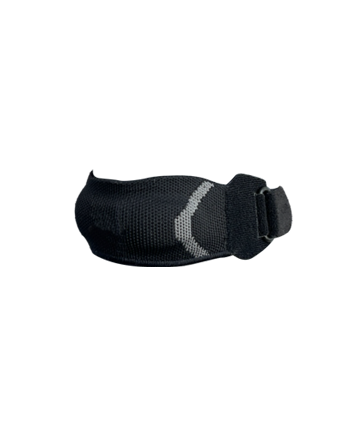
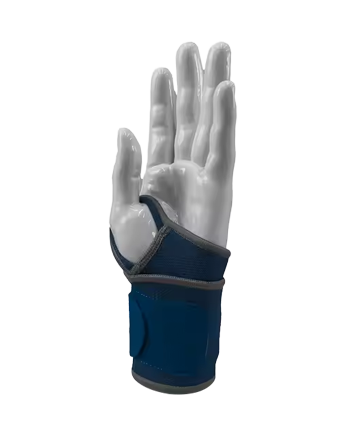
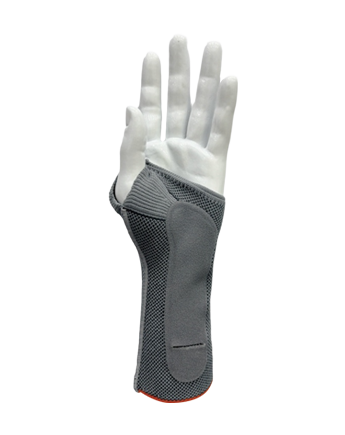
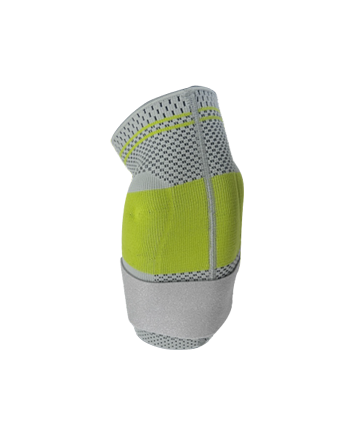
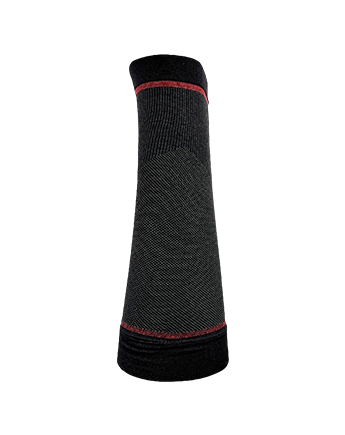
Knee support devices have become a common sight in gyms, on sports fields and in workplaces where knees take repeated stress. From soft compression sleeves to structured prophylactic systems, these aids are grouped by the roles they play: reducing harmful motion, improving proprioception and offering immediate symptom relief. As interest grows in practical, noninvasive ways to limit knee problems, Knee Stabilizers are drawing attention from coaches, clinicians and everyday exercisers.
The knee is vulnerable because it must balance mobility with stability. Sudden twists, heavy impacts and repetitive loads can strain ligaments, tendons and the joint surfaces. Many users turn to supports for three common reasons:
In these roles, supports act as an adjunct to good technique and conditioning rather than a replacement for them.
Knee devices range from simple sleeves to complex systems that include hinges and straps. Each type offers a distinct balance between restriction and freedom of movement.
Understanding the mechanical intent behind a device helps users choose a support that matches their activity’s demands.
Certain groups report clearer short-term gains from supports, although individual needs vary.
A healthcare professional can clarify whether a stabilizer is an appropriate part of a personalised plan.
Fit is central to effectiveness. A poorly chosen device can shift forces in unintended ways or be uncomfortable enough that it goes unused.
A proper trial helps identify whether the stabilizer complements movement patterns or hinders them.
Supports are good useful when they bridge the gap between protection and capacity-building. Strength, coordination and movement quality remain the foundations of long-term joint health.
When supports are combined with these measures, they help manage symptoms while the body becomes more resilient.
There are myths around knee supports that can good to misuse or disappointment.
Clear expectations and professional input reduce the risk of these pitfalls.
How a device is treated affects its performance. Simple maintenance preserves fit and function.
A modest care routine extends the practical lifetime of a stabilizer and keeps it comfortable.
| Support type | Primary function | Typical user scenario |
|---|---|---|
| Compression sleeve | Warmth, proprioceptive feedback | Warm-ups, light training, day-to-day comfort |
| Functional stabilizer | Controlled range, reinforcement | Rehabilitation phase, return-to-activity |
| Prophylactic-style device | Mechanical protection against lateral forces | Contact sports and high-collision play |
Some signs mean it’s time to consult a clinician rather than rely on a device alone: persistent pain, repeated giving-way episodes, significant swelling or a major injury. A professional assessment can determine whether imaging, a supervised rehab program or a specific stabilizer design is required.
Early guidance can shorten recovery time and clarify whether a knee stabilizer has a role.
Knee Stabilizers can offer meaningful short-term protection, improve confidence during return-to-play and provide comfort for everyday training. Their good use is as part of a comprehensive approach that includes strength work, movement training and sensible progression. When users pair a chosen device with careful fitting, maintenance and professional advice where needed, supports become practical tools for staying active with less interruption. For teams and individuals seeking product options and guidance on fitting, a knowledgeable supplier can be a useful partner — for example, consider consulting credible vendors such as steriger for support choices and fitting help.
Steriger is a national high-tech enterprise specializing in the R&D and production of high-quality sports supports, medical braces, and sports compression socks.
Copyright © Zhejiang Steriger Sports Medicine Technology Co., Ltd.
The information provided on this website is intended for use only in countries and jurisdictions outside of the People's Republic of China.

Approval No: 浙金药监械生产备20200039号

 English
 Español
 Deutsch
 عربى
عربى Français