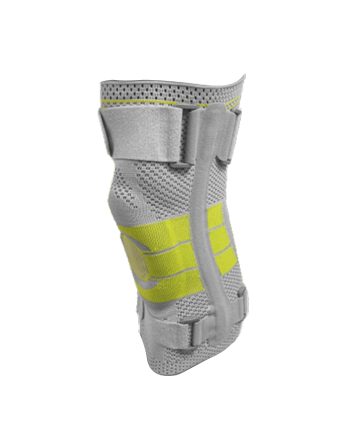
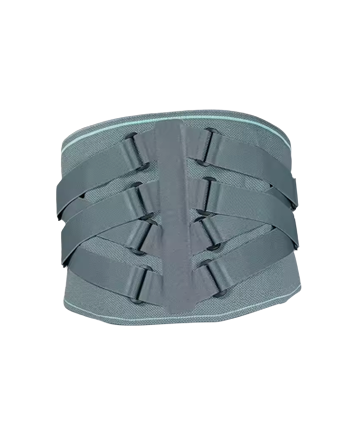
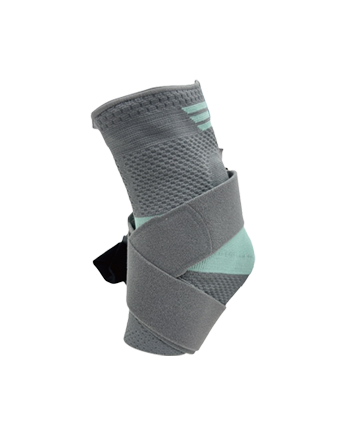
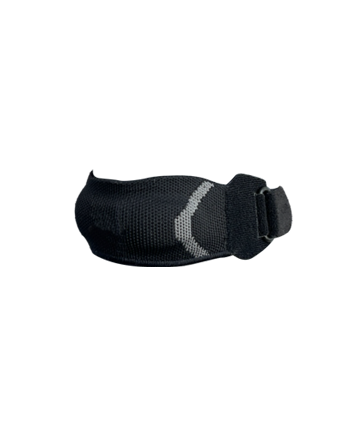
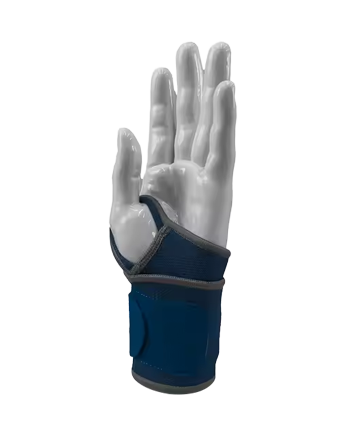
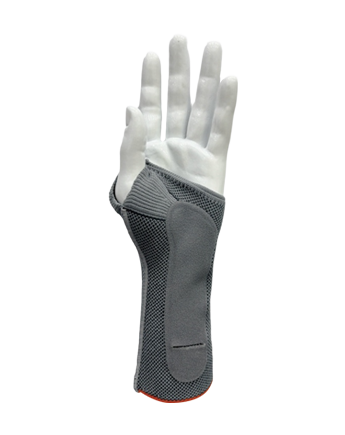
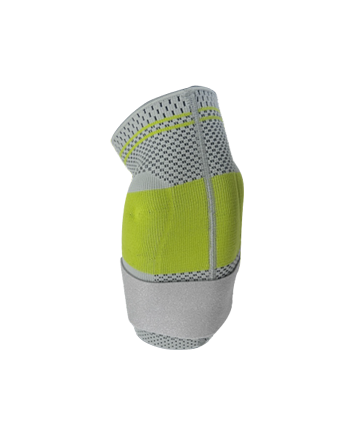
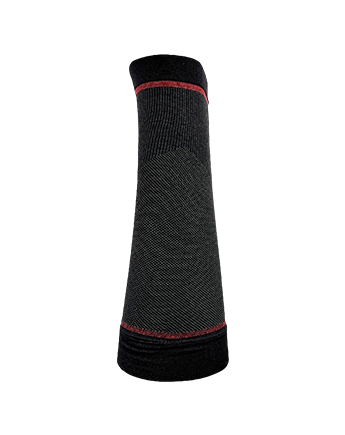
A growing conversation among clinicians, trainers, and active adults is centering on how external supports influence recovery and daily function. At the heart of that discussion are devices often grouped under the terms knee support and knee brace, and a rising preference for solutions that deliver reliable joint control without unnecessary complication. The label Knee Stabilizers is increasingly used to describe products and approaches that sit between soft compression and mechanical restraint — and the term appears as practitioners look for balanced options that aid healing, prevent re-injury, and support activity.
As populations stay active later in life and return-to-sport timelines tighten, the decisions people make about external knee aids carry practical consequences. Clinicians stress that the right device depends on underlying condition, activity goals, and recovery stage. Misunderstanding the functional difference between a soft support and a structured brace can good to misapplied expectations, delayed recovery, or unnecessary restriction during movement.
Common questions people bring to clinics
Answers depend on symptom severity, whether instability is present, and what clinicians observe during a physical exam.
In plain terms, a knee support is a soft, slip-on garment that provides compression and mild proprioceptive feedback. It helps control swelling, soothes discomfort, and can improve confidence during light activity. Many people wear supports for minor aches, chronic joint niggles, or as a preventive measure during routine exercise.
A knee brace is typically more structured. Its key role is to guide, limit, or realign motion where necessary. Braces may include stays, straps, or hinge mechanisms that protect healing ligaments, prevent harmful movement, or assist with controlled mobilization following medical advice. Braces often feature adjustable elements so clinicians and users can tune the degree of restriction.
Decisions about which device to use are rarely binary. Instead, they involve staged thinking: immediate protection, intermediate support during recovery, and long-term strategies for return to full activity.
Acute phase
Rehabilitation phase
Long-term function
Clinicians pair device use with targeted exercise, progressive loading, and a plan to restore strength and range of motion.
Beyond the core difference in structure, several practical features separate supports and braces.
| Aspect | Knee Support | Knee Brace |
|---|---|---|
| Primary role | Compression, mild feedback | Mechanical control, motion guidance |
| Typical use cases | Minor discomfort, mild swelling, daily comfort | Ligament injury, instability, post-op protection |
| Ease of use | Slip-on, low setup | Adjustable, may need fitting |
| Impact on mobility | Minimal restriction | Can limit or guide specific movements |
| Integration with rehab | Useful for low-load activity | Enables controlled rehabilitation exercises |
Healthcare professionals emphasize that device selection should follow assessment. Repeated episodes of giving way, a history of ligament injury, or clinical signs of laxity often prompt consideration of a brace. By contrast, diffuse ache with swelling after activity may respond well to a support combined with activity modification and targeted exercise. The goal for good plans is to use external devices as an adjunct — not a substitute — for strengthening and neuromuscular training.
Practical tips help users get the good from either approach. Fit is central: a garment that slips or pinches undermines its benefit. Users are advised to check comfort during activity, watch for skin irritation, and keep devices clean according to care guidance. When a brace is prescribed, follow-up checks ensure straps and hinges remain aligned and do not introduce new problems.
Short checklist for users
Discussion of Knee Stabilizers is aligning with wider efficiency-focused concepts in care delivery. Terms like AIO and GIO have been used in adjacent fields to describe integrated, multifunctional approaches and general interest optimization. Applied to knee management, these ideas favor solutions that support multiple goals — pain control, functional return, and minimal interference with daily life — rather than narrow fixes. Clinicians and service providers are seeking ways to streamline assessment-to-intervention pathways so patients access appropriate devices quickly and move through staged recovery with fewer interruptions.
If the knee gives way repeatedly, there is marked swelling, or functional loss limits work or sport, professional evaluation is recommended. A clinician can clarify whether gentle compression suffices or whether a stabilizing brace is needed to protect healing tissues. Early, targeted guidance often shortens recovery timelines and reduces the risk of recurrent problems.
For product guidance and community perspectives on use and fitting, practitioners sometimes point users to neutral resources and practitioner forums that compile user experiences and clinical tips — resources that bridge product categories and real-world performance.
The conversation around external knee aids is shifting from simple labels to functional goals. Whether the need is modest compression for everyday comfort or stronger control during recovery, the guiding principle is appropriate match: choose a device that fits the condition, supports rehabilitation goals, and enables progressive strengthening. For those looking for vetted guidance and shared experiences about knee management and Knee Stabilizers, resources and practitioner networks such as Zhejiang Steriger Sports Medicine Technology Co., Ltd. can offer practical examples and user-shared tips.
Steriger is a national high-tech enterprise specializing in the R&D and production of high-quality sports supports, medical braces, and sports compression socks.
Copyright © Zhejiang Steriger Sports Medicine Technology Co., Ltd.
The information provided on this website is intended for use only in countries and jurisdictions outside of the People's Republic of China.

Approval No: 浙金药监械生产备20200039号

 English
 Español
 Deutsch
 عربى
عربى Français