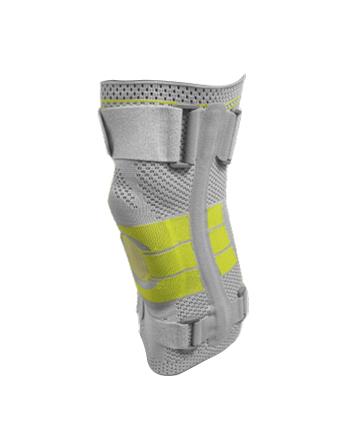
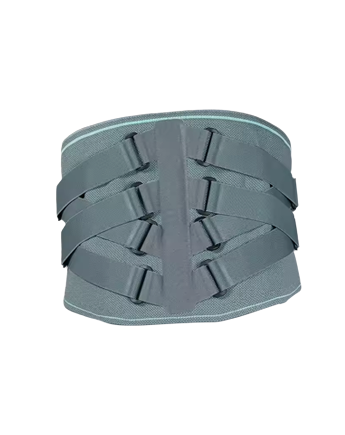
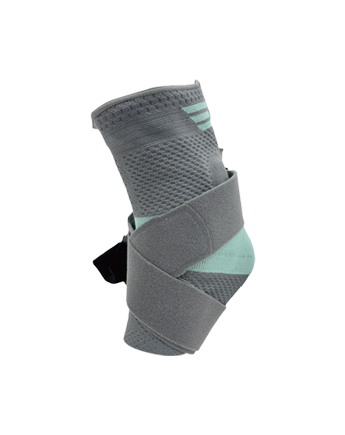
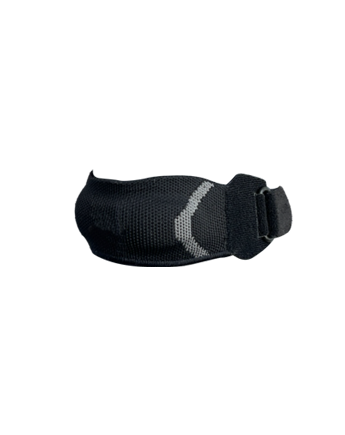
Knee supports appear in gyms, on running routes and in everyday movement when light compression or warmth around the joint is wanted. They are not all built the same way. Some are produced on flat knitting machines as a continuous textile structure; others are cut from sheet materials and sewn, or formed from elastic panels in more traditional sleeve styles. Construction changes how the product stretches, where seams sit and how it feels during repeated bending. Athletic Knee Support Products in both families are judged by fit, fabric behaviour and suitability for the intended activity rather than by category name alone.
Flat knitting forms fabric by interlocking yarns on a machine bed so that rows of loops build a panel or a shaped piece. Stitch patterns can vary across the width and length of the piece. That control allows zones of different density or stretch to be designed into a knee support without always adding separate fabric panels.
The knitted loop structure is inherently extensible. How much the finished support stretches and recovers depends on yarn choice, stitch type and any elastomeric content. Thickness can be varied by stitch selection. Edges may be finished as part of the knit or with a subsequent binding so that the opening at thigh and calf sits stably without cutting into the skin. Overall shape follows the knitting program and any post-knit assembly.
Fitness sessions, running, walking and similar activities are common settings. Suitability still depends on the specific product's stretch, size range and how closely the user needs the support to follow the knee through full flexion. Activity type and personal fit requirements guide selection more than the knitting method alone.
Neoprene, elasticated textiles and blended fabrics are typical in conventional sleeves. Each material brings a different balance of stretch, thickness, heat retention and surface feel. Material choice drives whether the sleeve feels soft, firm, warm or relatively breathable next to the skin.
Many traditional sleeves are cut from fabric sheets and joined with seams, or assembled from shaped panels. Some use moulded or laminated constructions. Seam placement, number of panels and edge elastic or binding all affect how the sleeve moves with the joint and where pressure concentrates.
Gym work, general training and everyday physical activity are common uses. As with knitted supports, the design should be matched to the motion and duration of the activity rather than assumed to fit every sport equally.
Flat knitting builds much of the product in the textile structure itself. Traditional sleeves more often rely on cutting, sewing or moulding separate pieces. The manufacturing path influences shaping options, seam count and how consistent the stretch is around the circumference of the leg.
Knitted textile loops behave differently from solid sheet materials such as neoprene or from densely woven elastic panels. Fibre content and construction together set stretch range, recovery, thickness and the feel against the skin. Two products labelled as knee supports can therefore feel unrelated in wear.
Knitted structures can be engineered for different stretch levels in different zones. Size, recovery and the overall pattern still decide whether the support stays in place without sliding or binding. Not every flat knitted support delivers the same compression; measured stretch and a correct size remain essential.
Seam position and quality affect comfort behind the knee and along the sides of the leg. Edge finishing influences whether the opening rolls, digs in or stays smooth through repeated sessions. Both product types need clean workmanship; the location and type of joins simply differ by construction method.
Surface texture, colour and any knit pattern form part of how the product appears on a retail wall or in a catalogue. Black is a frequent choice for sports accessories because it sits easily beside varied training wear and simplifies range planning for wholesale buyers.
Gym training, running, cycling and field sports load the knee differently. Some users want light coverage; others want a firmer hold. Mapping the activity to stretch level and coverage helps narrow the field before brand or construction type is fixed.
Fabric that stretches but does not recover leaves a loose, sliding support. Fabric that recovers too aggressively can feel restrictive. Size charts and, where possible, sample try-on prevent ordering a circumference that does not match the leg.
Even fabric, secure seams, tidy edges and consistent shaping are checked on samples before volume orders. Visual and hand inspection catch issues that specification sheets alone may miss.
Washing and drying instructions protect elastane and surface finishes. Following those instructions slows loss of recovery and keeps edges from distorting.
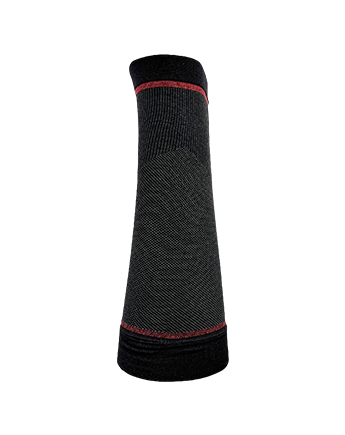
A flat knitted sports knee support uses the loop structure to create stretch and shape. Yarn composition and stitch design define how the product feels when the knee bends and straightens. Verified construction details from the supplier support comparison with cut-and-sewn alternatives.
A black colourway aligns with common sportswear palettes and works for mixed retail or private-label collections where a single neutral shade simplifies inventory.
Available sizes and the product's measured stretch and thickness determine which activities and body sizes it suits. Claims stay within what the specification and samples support.
Bulk supply and, where the factory offers them, options such as labelling, packaging or agreed colourways are discussed against minimums and capabilities. Distributors and private-label buyers request data sheets and samples before confirming a program.
Flat knitting builds panels or shaped pieces on a flat bed; circular knitting produces tubes. Each method suits different product geometries and finishing routes.
Suitability for gym work depends on stretch, coverage and whether the fit stays stable under load—not on the knitting method by itself.
The support should stay in place without marking the skin or restricting blood flow. Size selection and fabric recovery are the practical controls.
Gentle washing, avoidance of harsh heat and correct drying according to the care label help maintain elasticity and shape.
| Aspect | Flat Knitted Support | Traditional Sleeve Style |
|---|---|---|
| Primary construction | Loop structure formed on a flat knitting machine | Often cut-and-sewn panels or moulded sheet materials |
| Stretch behaviour | Tuned by stitch type and yarn | Driven by sheet elasticity and panel design |
| Seams and edges | May be minimal or integrated in the knit | Seams and bindings often define panel joins |
| Thickness and feel | Varies with stitch density and yarn | Varies with material choice such as fabric or foam |
| Typical design focus | Zoned stretch and continuous textile shaping | Panel geometry and material thickness |
| Selection priority | Size, recovery, activity match | Size, material feel, activity match |
Flat knitted and traditional knee sleeves differ in how they are made, how they stretch and where seams fall. Neither type replaces careful sizing or a clear view of the activity. A Black Elastic Knee Support in a flat knitted construction is one option among several when stretch, colour and build quality match the intended sport or daily use. Zhejiang Steriger Sports Medicine Technology Co., Ltd. produces knitted sports supports and related accessories. Review of construction type, fabric stretch, size range and sample quality against the planned activity supports selection of a knee support that fits securely and performs consistently in use.
Steriger is a national high-tech enterprise specializing in the R&D and production of high-quality sports supports, medical braces, and sports compression socks.
Copyright © Zhejiang Steriger Sports Medicine Technology Co., Ltd.
The information provided on this website is intended for use only in countries and jurisdictions outside of the People's Republic of China.

Approval No: 浙金药监械生产备20200039号

 English
 Español
 Deutsch
 عربى
 Français