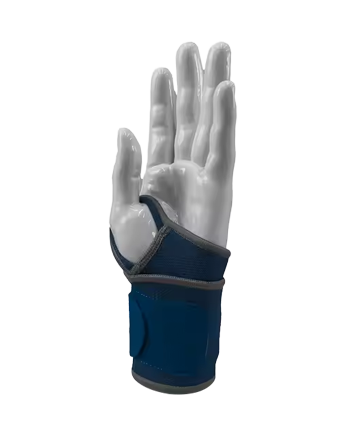
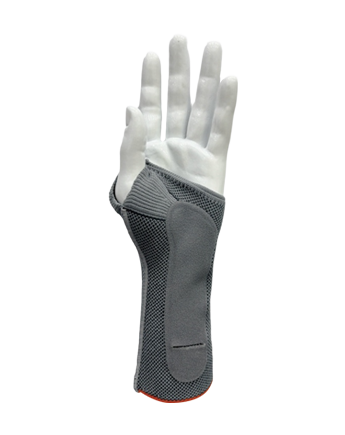
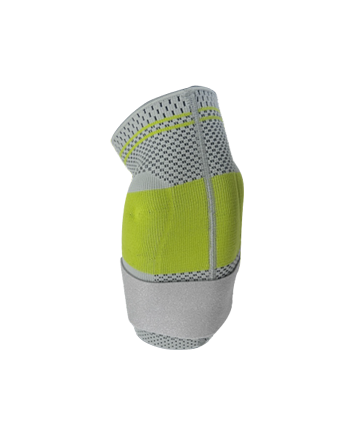
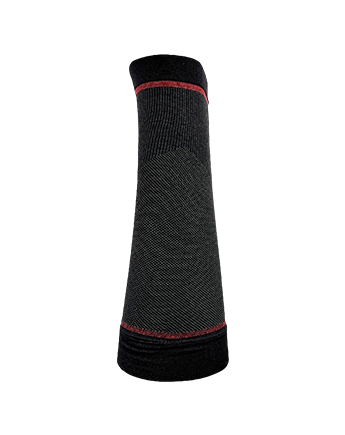
Wrist pain that shows up mid-set, that uncomfortable backward bend when the weight gets heavy, the creeping realization that your wrists are holding back your training more than your muscles are — if any of that sounds familiar, you are not alone. A lot of lifters quietly work around wrist discomfort for months before addressing it properly. Using a Hand Palm Brace during heavy training is one of the more practical ways to get that joint stable under load, and understanding why it works makes it easier to use it well rather than just wearing it and hoping for the best.
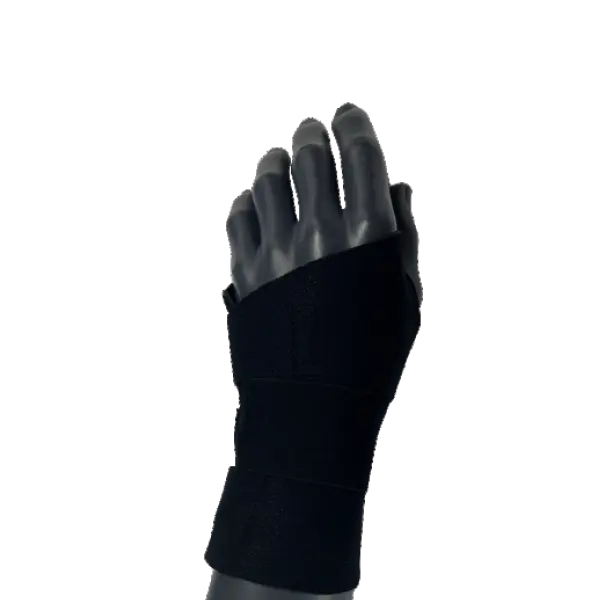
A Hand Palm Brace covers both the wrist and the palm, typically combining rigid or semi-rigid panels with compression fabric and adjustable closures. The basic idea is to limit how far the wrist moves in directions that cause problems under load — particularly that backward extension that tends to happen when a bar gets heavy — while still leaving enough freedom of movement to grip and lift normally.
A few things work together to make this happen:
Wrist wraps are common in gyms and they work well for limiting wrist extension during pressing movements. Lifting straps are a different tool entirely — they handle grip fatigue, not joint stability. Tape provides some localized support but is inconsistent and harder to apply correctly every session. A Hand Palm Brace sits in its own category because it addresses both the wrist and the palm simultaneously, which matters for movements where load travels through the entire hand structure rather than just the wrist.
During any pressing movement — bench press, overhead press, dumbbell work — the force generated by the chest, shoulders, and triceps has to travel through the wrist and hand to reach the bar. If the wrist is not sitting in a stable, neutral position when that happens, the joint absorbs stress that it was not designed to handle repeatedly.
What this looks like in practice when wrist stability breaks down:
A wrist held straight — neutral from forearm through to hand — transfers force along the strongest axis of the joint. It is more efficient mechanically, which means the work actually goes where it is supposed to go. Lifters who struggle with wrist alignment under load are often leaving performance on the table alongside the injury risk, because the inefficient force path means they are working harder than necessary to move the same weight.
Under load, the wrist moves toward its weakest position unless something stops it. The structural panels in a Hand Palm Brace do exactly that — they limit extension before the joint reaches the range where strain starts building. It is a physical barrier, not just compression.
The mechanism during a set plays out something like this: as the bar comes down in a bench press and the load through the wrist increases, the brace prevents that gradual drift backward that tends to happen when fatigue accumulates. In the last few reps of a heavy working set — where joint drift can occur — the support holds position while active muscle control has faded.
There is another layer to how it helps that does not get talked about enough. The compression and contact of the support against the palm and wrist creates constant tactile feedback about hand position. This is proprioception — the nervous system's sense of where a body part is in space — and it genuinely influences how well the joint stays aligned during a set. Lifters often report that even moderate support helps them "feel" their wrist position more clearly, which makes it easier to hold the neutral alignment they are aiming for.
Stability under load carries practical benefits that show up quickly:
The confidence piece matters more than it might seem. A lot of training stalls not because of genuine strength limitations but because the wrist feels unreliable at heavier loads. Removing that uncertainty tends to free up capacity that was already there.
Not everything in a training session needs the same level of external help. The clearest cases for wearing support:
Using support for every exercise, at every intensity, limits the wrist's opportunity to develop its own stabilizing capacity. Lighter work, bodyweight movements, pulling exercises, and accessory work that does not load the wrist heavily are generally better done without it. The wrist needs training stimulus just like everything else, and wrapping it up for exercises that do not require that level of protection gets in the way of that development.
| Support Type | Primary Function | Wrist Coverage | Palm Coverage | Suited For |
|---|---|---|---|---|
| Hand Palm Brace | Joint stabilization and alignment | Yes | Yes | Heavy pressing, wrist instability, rehab |
| Wrist Wraps | Wrist flexion limitation | Yes | No | Heavy pressing, powerlifting |
| Lifting Straps | Grip fatigue reduction | No | Partial | Pulling movements, deadlifts |
| Athletic Tape | Localized joint support | Partial | Optional | Light support, injury management |
| Compression Sleeve | Warmth and mild compression | Yes | No | General gym use, mild discomfort |
The wrist stabilizers develop over time through training, but early in a lifting career they often lag behind the bigger muscle groups that progress quickly. Using support during heavier working sets during this period helps maintain alignment while the underlying structures catch up. A semi-rigid design that limits excessive extension without completely locking movement suits this stage well.
At near-maximal loads, the challenge is different. The stabilizing muscles may be well-developed, but maximum-effort sets push everything to its limit. Support that holds joint position reliably in the final reps of a heavy set — where active control has diminished — is what matters here. Firmer construction with secure closures that do not shift under load is more appropriate than flexible compression designs.
For lifters coming back from a wrist injury or managing a recurring problem, support during the reloading phase allows progressive training to continue while reducing the risk of aggravating the injury further. The practical approach is to start with support in place for all loaded movements and gradually reduce its use as confidence and pain-free range of motion return.
A few common patterns consistently undermine what the support is supposed to do:
Stabilizing the wrist and palm during load-bearing movements — limiting excessive joint movement, improving alignment, and distributing pressure more evenly across the hand rather than concentrating it at the wrist joint.
Both, to be direct about it. The mechanical restriction is real and measurable — the panels physically limit the range of movement that causes strain. The proprioceptive benefit is also real — the sensory feedback from the compression helps the lifter hold better alignment actively.
Yes. In fact, beginners in the phase where loads are increasing quickly but wrist stabilizers have not yet adapted can benefit significantly from support during heavier sets. It reduces the mismatch between what the primary muscles can lift and what the wrist can handle.
Wrist wraps address wrist extension specifically. Palm coverage is not part of what they do. For movements that load the palm directly — dumbbell work, front rack positions — the broader coverage is more relevant. For pure barbell pressing, the two tools are closer in what they offer.
For the heaviest working sets of pressing movements and any exercise where wrist alignment under load is a consistent challenge. Warm-up sets and lighter accessory work generally do not need it.
Using it for every exercise continuously reduces the training stimulus the wrist receives. Selective use — for heavy working sets — while training without it for lighter movements preserves the development of natural joint stability.
Secure enough that the support panels maintain contact and position through each rep, but not so tight that circulation is restricted or sensation is reduced. It should feel stable and firm without cutting off feeling in the hand.
Bench press is one of the clearest applications. The wrist extension that happens under a heavy bar during the descent is exactly what the structural support addresses. It is likely one movement where the benefit is felt with consistency.
Yes. During the return-to-training phase, it provides a level of protection that allows progressive loading to continue while reducing re-injury risk. The approach is to use it throughout the rehabilitation reloading process and gradually reduce reliance on it as strength and confidence return.
Heavy barbell pressing, overhead pressing, high-volume dumbbell work, and front rack movements. Generally any exercise where wrist alignment under significant load is a consistent challenge for that individual lifter.
Wrist stability during heavy training is one of those things that stays invisible until it becomes a problem — and by then the discomfort has usually been building for longer than it should have. Using support strategically during the movements and loads where the joint genuinely needs help, while still allowing the wrist to train naturally during lighter work, is what supports both performance today and joint health over a long training career. Zhejiang Steriger Sports Medicine Technology Co., Ltd. produces Hand Palm Brace products built for strength training and sports applications, working with athletes, gym facilities, and procurement teams on product specifications, support levels, and training-specific requirements. If you are looking into wrist support options for yourself or for a facility, their team is a practical contact for that conversation.
Steriger is a national high-tech enterprise specializing in the R&D and production of high-quality sports supports, medical braces, and sports compression socks.
Copyright © Zhejiang Steriger Sports Medicine Technology Co., Ltd.
The information provided on this website is intended for use only in countries and jurisdictions outside of the People's Republic of China.

Approval No: 浙金药监械生产备20200039号

 English
 Español
 Deutsch
 عربى
عربى Français