That dull ache settling into the lower back around hour four of a shift. The stiffness that shows up after bending over a desk all morning, or lifting boxes all afternoon, or standing at a register longer than anyone should stand in one spot. Adjustable Waist Support keeps coming up in searches from people dealing with exactly this, because daily activity, plain ordinary daily activity, turns out to be one of the more common triggers for lower back discomfort. Not a dramatic injury, usually. Just accumulated strain, day after day, until the body finally starts complaining. Office workers, warehouse staff, drivers, nurses, healthcare product buyers, medical equipment distributors, sporting goods importers. All of them end up asking a version of the same question eventually. Why does the lower back take this kind of beating from ordinary tasks, and what actually helps beyond just powering through the discomfort until quitting time?
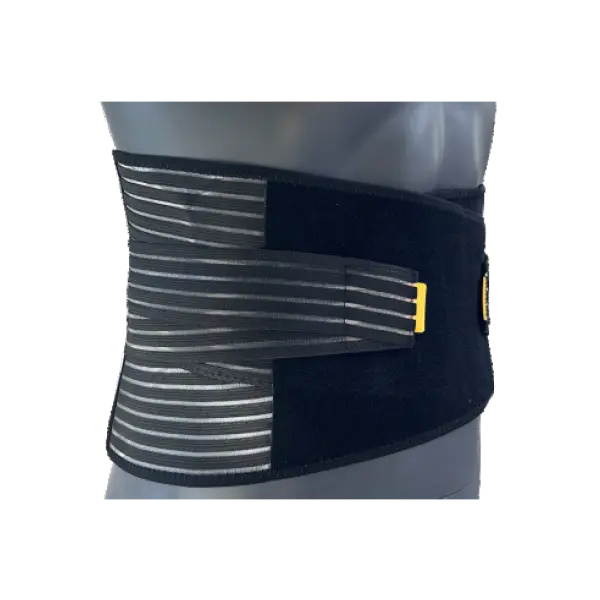
The lower spine carries a disproportionate share of the body's weight and movement demands, and it does this constantly. Sitting, standing, bending, lifting, it never really gets a break. Repetitive motion, prolonged static posture, sudden awkward movement, all of it places stress on the same set of muscles and joints. Unlike a single dramatic injury, this kind of strain tends to build quietly across a workday, sometimes across a week, before anyone really notices.
A handful of common daily patterns tend to explain a large share of lower back complaints:
It genuinely does, more than casual conversation about posture usually gives it credit for. Poor posture changes how weight distributes across the spine, concentrating pressure on specific vertebrae and surrounding muscles rather than spreading that load evenly across the whole structure. Over a full day, let alone a full week, that concentrated pressure adds up into the kind of persistent ache that makes simple tasks, bending to tie a shoe, reaching for something on a low shelf, feel considerably more uncomfortable than they really should.
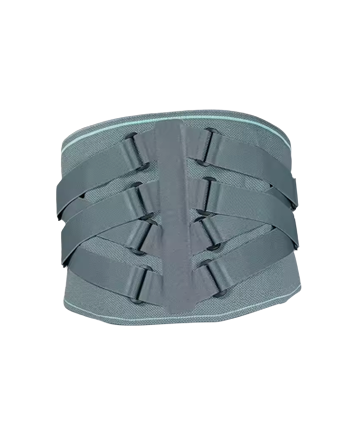
A waist support product works by providing external compression and structural reinforcement around the lower back and abdominal area. Essentially, it assists the muscles that would otherwise carry the full load of maintaining posture and stability entirely on their own.
Compression around the lumbar region helps stabilize the spine during movement, reducing the range of unsupported motion that might otherwise strain muscles or joints beyond their comfortable capacity. There is a secondary effect too. The support provides a physical reminder to maintain better posture throughout the day, since the compression itself makes slouching or awkward bending noticeably less comfortable, nudging the wearer toward a more neutral spinal position without requiring constant conscious effort.
It tends to, yes. By sharing some of the structural load that lower back muscles would otherwise carry entirely alone, a properly fitted support product lets those muscles work less intensely across a full shift. Workers who stand or lift repeatedly throughout the day often notice less cumulative fatigue by the end of a shift when wearing appropriate support, compared to relying entirely on unsupported muscle endurance hour after hour after hour.
Not all lumbar support products work in the same way. Understanding the difference between adjustable designs and elastic designs helps buyers select the right product based on their specific needs, rather than simply making a random purchase based on a low price.
An adjustable design typically uses straps, closures, or tension mechanisms that let the wearer customize compression level and fit precisely to their body and comfort preference. This matters considerably for people with varying body types, or those whose support needs shift throughout the day, since a support that felt right in the morning might need slight adjustment after several hours of movement, or after a meal changes waist circumference slightly.
Elastic Waist Support products offer a simpler, more consistent compression level without requiring manual adjustment, which suits users who want quick, straightforward application without fussing over strap tension throughout the day. This style tends to work well for lighter activity levels or shorter duration use, where the fixed compression level matches the actual support demand reasonably well without needing constant fine tuning.
| Support Style | Fit Customization | Well Suited Activity Level | Application Ease |
|---|---|---|---|
| Adjustable Waist Support | High, customizable tension | Moderate to demanding physical activity | Requires initial fitting, adjustable throughout use |
| Elastic Waist Support | Fixed, consistent compression | Light to moderate activity | Quick, straightforward application |
| Breathable Lumbar Support | Varies by design, often adjustable | Extended wear in warmer conditions | Comfortable for longer duration use |
| Comfortable Waist Support | Varies by design | General daily use across activity levels | Prioritizes wearer comfort over rigid structure |
The choice, once you look at this comparison, generally comes down to how much the wearer's activity level and body positioning change throughout the day. Consistent, moderate activity often suits elastic designs well. More variable or physically demanding work tends to benefit from an adjustable option that can be tightened or loosened as needed.
Anyone wearing waist support for extended periods, particularly through a full work shift, needs the material to manage heat and moisture reasonably well. Otherwise the support itself becomes its own source of discomfort, which sort of defeats the point.
It does, in a fairly direct way. A support product that traps heat and moisture against the skin tends to get removed early, or worn inconsistently, undermining whatever benefit it might have provided to begin with. Breathable Lumbar Support materials, built with ventilation or moisture wicking properties, encourage consistent daily wear precisely because they avoid the discomfort that causes people to abandon less breathable alternatives partway through a shift.
Different work and lifestyle situations place different demands on a waist support product, and matching the choice to the actual scenario improves both comfort and effectiveness.
Distributors, healthcare product buyers, and orthopedic support brands evaluating suppliers benefit from a structured approach rather than choosing based on price alone.
Buyers working with a China Waist Support supplier specifically should also confirm export documentation, quality certification, and consistent production standards across larger bulk orders. Consistency matters just as much as the initial sample quality once you scale into broader distribution.
It matters more than people usually expect walking into a purchase. A support that fits too loosely provides almost no meaningful compression, essentially becoming an expensive accessory rather than a functional aid. One that fits too tightly can restrict natural movement and breathing, creating a brand new discomfort instead of solving the original one.
Waist circumference matters, obviously. But so does the vertical coverage of the support itself. A product that rides up during movement or bending loses effectiveness quickly, regardless of how well it fit when initially put on. Distributors sourcing for varied body types should confirm size range coverage, closure adjustability, and how the product performs during actual movement, not just while standing still during a fitting.
Generally, no. A single fixed size rarely serves a broad customer base well, particularly for adjustable products meant to accommodate a range of body types and activity levels. Offering a reasonable size range, paired with adjustable closures that allow fine tuning within that range, tends to serve a wider customer base more effectively than a one size approach that forces compromise on anyone outside a narrow middle range.
Relief timelines vary from person to person, and setting realistic expectations matters both for end users and for brands marketing these products honestly.
Some wearers notice reduced strain within the same day, particularly if poor posture was a major contributing factor that the support corrects right away. Others, especially those dealing with more established discomfort built up over months or years of repetitive strain, may need consistent daily wear across a longer stretch before noticing a meaningful shift in how their back feels by the end of a shift. Setting this expectation clearly, rather than implying instant transformation, tends to build more trust with end users and reduces the kind of disappointment that leads to product returns or negative reviews down the line.
Lower back discomfort tied to ordinary daily activity rarely resolves through willpower alone. Understanding how compression, posture support, and material choice work together changes how someone approaches choosing the right product for their specific routine. Adjustable Waist Support answers the need for customizable, activity matched compression particularly well for physically demanding roles, while elastic and breathable alternatives serve lighter activity levels or extended wear situations where consistent comfort matters more than adjustable tension. Zhejiang Steriger Sports Medicine Technology Co., Ltd. works with distributors, healthcare product buyers, and brands sourcing through Waist Support Factory relationships built around matching product design to real world daily use, and sharing your target user activity level, comfort priorities, and order volume is a practical way to start narrowing down the right waist support product line for your business. Getting these details right from the sourcing conversation onward tends to save both parties time later, since a product genuinely matched to its intended use case sells itself far more easily than one requiring constant explanation to skeptical end customers.
Steriger is a national high-tech enterprise specializing in the R&D and production of high-quality sports supports, medical braces, and sports compression socks.
Copyright © Zhejiang Steriger Sports Medicine Technology Co., Ltd.
The information provided on this website is intended for use only in countries and jurisdictions outside of the People's Republic of China.

Approval No: 浙金药监械生产备20200039号

 English
 Español
 Deutsch
 عربى
عربى Français