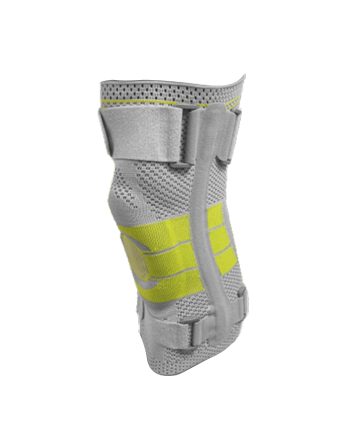
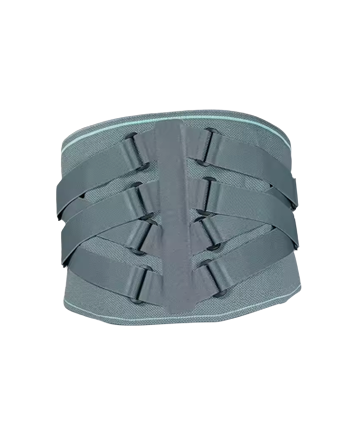
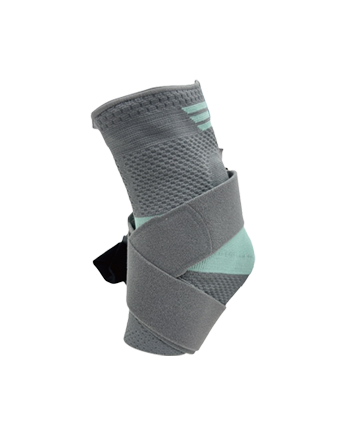
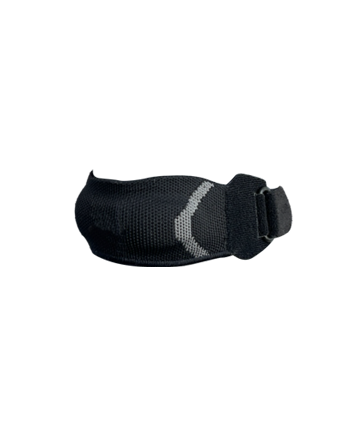
Lower back discomfort has a way of making itself known at the worst possible moments. A long day at a standing workstation, a heavy lifting session, hours bent over a desk, and by afternoon the lumbar region is sending signals that are hard to ignore. For many people, the response is to search for something that helps, and that search usually leads to waist support products. But the category is broader than it seems, and an adjustable waist support is merely one configuration among several. Understanding what waist support actually is, how it works, who benefits from it, and what distinguishes one type from another is the necessary foundation before any purchase or sourcing decision makes sense.
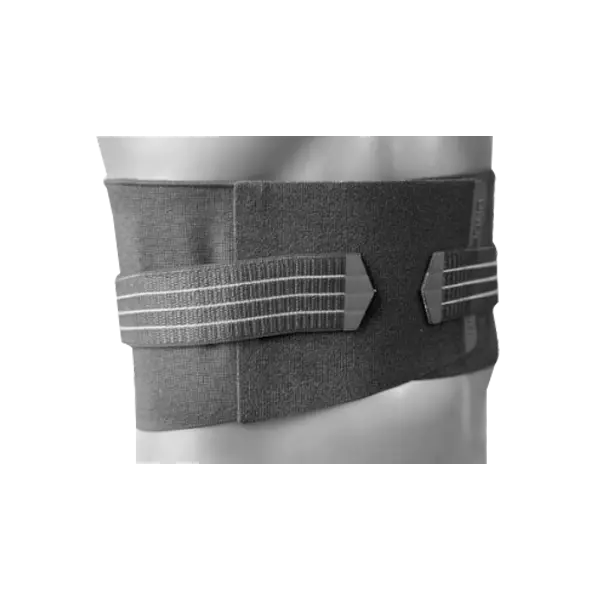
A waist support is a wearable device designed to provide external stabilization, compression, or postural reinforcement to the lumbar and lower back region. The lumbar spine, which is the lower section of the spinal column, carries a significant share of the body's weight during almost every activity, from sitting and standing to lifting and twisting. When the muscles and connective tissues in that region are strained, fatigued, or recovering from injury, external support reduces the load they need to manage independently.
The mechanism varies by product type, but the underlying principle is consistent: the support redistributes some of the mechanical demand away from the muscles and soft tissue, allowing the body to maintain a more stable posture with less effort and less discomfort.
What a waist support is not is a passive accessory. When selected and worn correctly, it actively influences how the body holds itself and how forces are distributed through the lower back during movement. That functional specificity is what separates a properly chosen support from a product that simply adds bulk without benefit.
Waist support is not a product category reserved for people with diagnosed back conditions. The user population spans a range of circumstances, many of them entirely preventive rather than reactive.
Common user groups include:
The fact that the user population is this varied is part of why the product category is so broad. A support designed for heavy manual labor looks and functions quite differently from one designed for light postural correction during desk work, even though both are described as waist supports.
The category covers a range of structural approaches, and understanding the distinctions helps buyers match the right product to the intended use.
Rigid lumbar braces use solid panels or stays to significantly restrict movement in the lower back. They are generally used in post-injury or post-surgical situations where limiting range of motion is part of the recovery plan. They tend to be heavier and less comfortable for extended daily wear, but they provide a level of stabilization that lighter products cannot replicate.
Semi-rigid supports combine a fabric outer layer with internal stays or stiffeners that can sometimes be adjusted or removed. They offer a middle ground between restriction and freedom of movement, which suits occupational settings where some protection is needed without full immobilization. Workers who need to remain mobile while handling moderate loads often find semi-rigid options well-suited to their situation.
Elastic waist supports are lighter and more flexible than either of the above. An elastic waist support provides compression and warmth to the lumbar region without significantly limiting movement. It is the category of choice for active users, mild strain recovery, and situations where the primary goal is postural awareness rather than structural restriction.
Adjustable waist supports allow the user to modify the compression level and fit through fastening systems, typically hook-and-loop closures or adjustment straps. This adaptability makes them suitable across a wider range of body sizes and use intensities, and it allows the same product to be worn more firmly during activity and more loosely during recovery or rest.
Breathable lumbar supports prioritize comfort during extended wear through mesh panels, moisture-wicking materials, or ventilated construction. In warm environments or during physical activity, heat and moisture buildup under a support can make compliance difficult. A breathable construction addresses that specifically, which matters for any application involving hours of continuous wear.
The materials used in waist support construction directly affect how the product performs during wear, how it holds up over time, and how comfortable it is across different environments.
Outer layer materials:
Internal structural components:
Closure and adjustment systems:
When appropriately matched to the user and the situation, yes. The benefits are functional rather than incidental.
The benefits depend on wearing the product correctly, in the right position on the body, at an appropriate level of compression, and for the intended duration. A support worn too loosely provides minimal benefit. One worn too tightly for too long creates its own problems, including reduced blood flow and potential over-reliance on external support at the expense of natural muscle engagement.
Understanding which product type suits which use context clarifies the selection process considerably.
| Support Type | Restriction Level | Suited Use Context | Key Feature |
|---|---|---|---|
| Rigid lumbar brace | High | Post-injury, surgical recovery | Movement limitation |
| Semi-rigid support | Moderate | Occupational use, moderate load | Adjustable stays |
| Elastic waist support | Low | Active use, mild strain, prevention | Flexibility and compression |
| Adjustable waist support | Variable | General use, varied populations | Customizable compression |
| Breathable lumbar support | Low to moderate | Extended daily wear, warm environments | Ventilation and moisture management |
Choosing a waist support without a clear framework tends to produce products that fit technically but do not perform well in the actual use situation. A more useful approach works through several considerations in order.
Intended use context:
User requirements:
Fit and sizing:
Material suitability:
For buyers sourcing waist support products at volume, whether for healthcare distribution, occupational health programs, sports retail, or e-commerce, the selection considerations expand beyond individual fit to cover consistency, documentation, and supplier reliability.
Key considerations for wholesale sourcing:
A waist support manufacturer with experience across multiple product configurations, including adjustable, elastic, and breathable variants, can support buyers in matching product specifications to their specific distribution context rather than defaulting to a single standard configuration.
Sourcing waist support products at any scale requires a supplier with both product knowledge and production consistency. The category is broad enough that a supplier who specializes only in rigid bracing may not be the right partner for a buyer who needs elastic and breathable options, and vice versa. Zhejiang Steriger Sports Medicine Technology Co., Ltd. manufactures waist support products across a range of types and configurations, including adjustable, elastic, and breathable lumbar support options suited to sports, rehabilitation, and occupational applications. For buyers evaluating product options, comparing configurations, or preparing a sourcing inquiry, their team can provide technical product information, sample arrangements, and guidance on which configurations suit specific use cases. Whether you are sourcing for a clinical supply program, a sports retail channel, or an e-commerce distribution model, reaching out with your intended application and volume requirements gives their team the context needed to respond with relevant options rather than a generic product list. If you are ready to evaluate product quality or discuss a wholesale arrangement, contacting them directly is a practical next step.
Steriger is a national high-tech enterprise specializing in the R&D and production of high-quality sports supports, medical braces, and sports compression socks.
Copyright © Zhejiang Steriger Sports Medicine Technology Co., Ltd.
The information provided on this website is intended for use only in countries and jurisdictions outside of the People's Republic of China.

Approval No: 浙金药监械生产备20200039号

 English
 Español
 Deutsch
 عربى
عربى Français