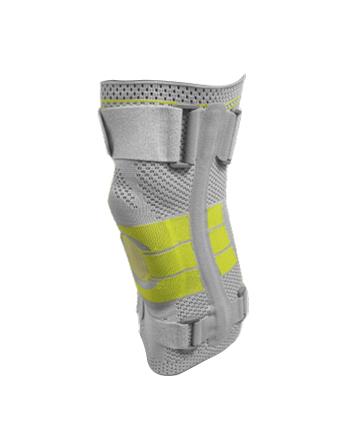
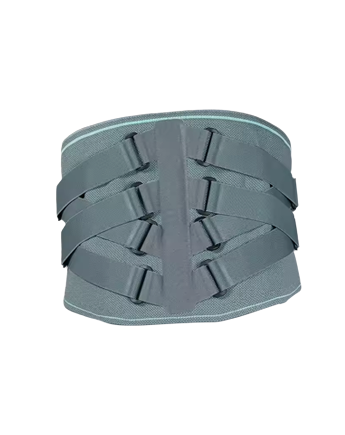
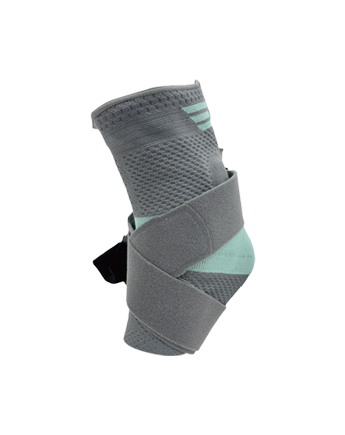
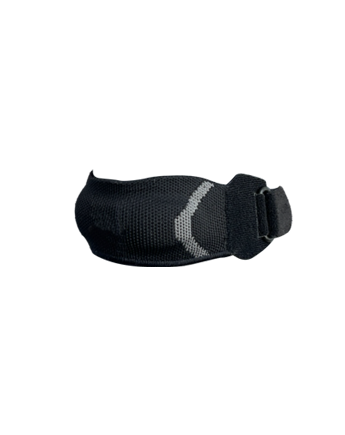
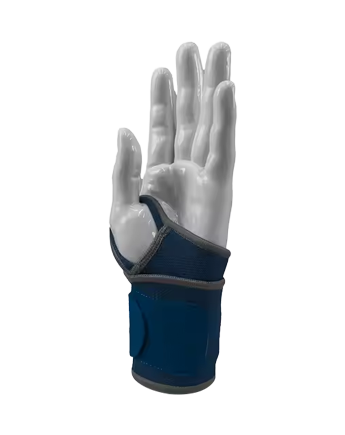
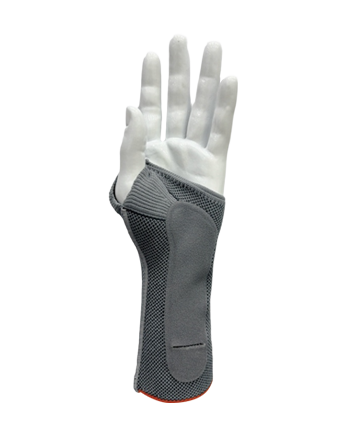
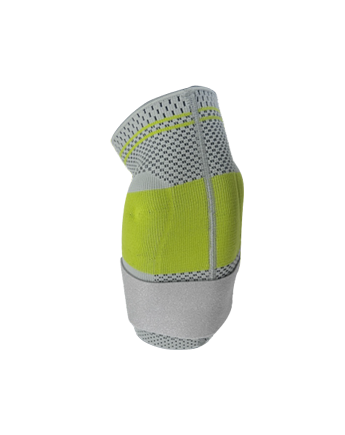
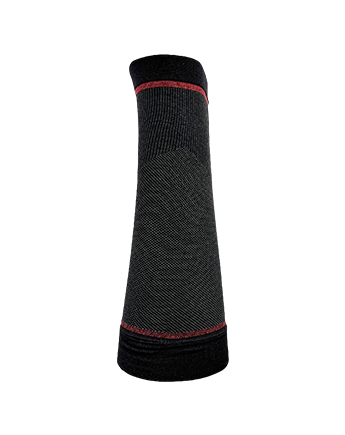
Users do not approach waist support with identical goals. Daily routine, how much a person moves, preferred tightness, and body shape all change what "suitable" means. Someone who sits for long stretches wants different coverage and edge comfort from someone who walks or stands through a shift. A single fixed design rarely satisfies every wearing habit.
Development therefore weighs comfort, support coverage, flexibility and ease of use together rather than maximising one trait. Waist Support in Elastic Fabric sits in that space as a category option for varied everyday support needs, where textile give and practical structure are meant to serve more than one profile of wearer.
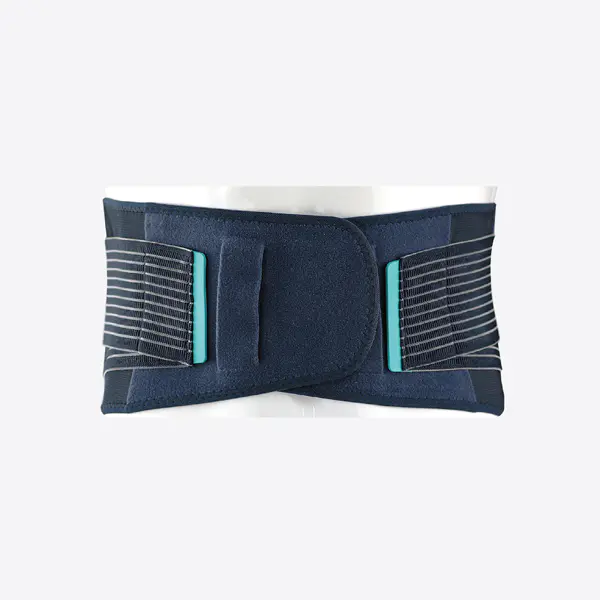
Waist circumference and overall proportion affect where a belt sits and how evenly it wraps. Shorter torsos, fuller midsections and different hip-to-waist relationships change the length of fabric needed and the height of coverage that feels stable. Size ranges and adjustment features exist so that one product line can approach those differences without forcing a poor fit.
Stable positioning should not rely on harsh compression. Elastic fabric helps the belt follow body contours and reduces gaping at the edges when the grade of stretch is appropriate. Offering a coherent size selection is part of meeting customer requirements; labelling that matches real measurements reduces returns and frustration. Fit is a design outcome, not only a warehouse SKU count.
Sedentary routines and more active days place different demands on the same body region. Extended sitting or standing may prioritise soft edges and steady, moderate hold. Walking, light exercise and general physical daily tasks need more freedom so the belt does not fight bending or stride. Coverage height, fabric flexibility and fastening style all shape that experience.
Designers balance the wish for a held feeling with the need for natural movement. Flexible construction in Waist Support in Elastic Fabric is one approach for applications that span quieter and more mobile periods. Over-building stiffness for every user makes the product harder to live with; under-building support disappoints those who wanted clearer containment. Matching structure to activity pattern is the practical middle path.
How easily a belt goes on and off influences whether it is worn at all. Adjustable closures let the same piece serve neighbouring sizes and personal preference for tighter or looser wear within a safe, comfortable range. Fasteners should stay secure during ordinary movement yet release without a struggle when the session ends.
Reducing complicated steps—twisting, multiple layers, unclear strap paths—improves everyday usability. Combining flexible fabric with clear, workable adjustment structures helps different users reach a fit they can repeat the next day. Elastic Waist Support products that ignore donning and doffing often look fine on a table and fail in real routines.
Before a design is fixed, manufacturers gather what they can about intended use, size spread and wearing duration. Elastic fabrics are then chosen for stretch level, recovery, hand feel and durability under that plan. Stitching, edge finishing, panel layout and closure hardware either support or undermine the fabric’s behaviour.
Support coverage is weighed against flexibility so the belt does not become a rigid shell. Inspection and process consistency keep units within the same fit and feel band across a production run. Material and structure work as a pair: strong cloth with weak seams still fails early. A Waist Support Manufacturer that treats those elements as one system delivers more usable belts than one that only swaps fabric codes.
Users prioritise different traits—some want greater softness, others clearer hold, and others quick adjustment. Flexible materials, honest sizing, comfortable fitting and practical construction remain shared foundations. Waist Support in Elastic Fabric emphasises elastic design that follows movement and preference, adaptable fit across waist sizes and shapes, flexible support that balances coverage with motion, applicability across daily activity and selected physical tasks, and practical design that joins textile flexibility with functional support.
That positioning is versatile without claiming one belt solves every need. Clear product information helps each buyer map features to personal routine. Waist Support Factory consistency in cutting, sewing and elastic performance keeps the designed experience available when orders repeat for retail or institutional supply.
| User need focus | Design response | What to verify |
|---|---|---|
| Varied waist and body shape | Size range plus adjustment | Measurement charts match real fit |
| Quiet sitting or standing days | Moderate hold, soft edges | Comfort after extended wear |
| Walking and light activity | Higher stretch, stable position | Belt stays put without binding |
| Quick daily use | Simple, secure closures | On–off without complex steps |
| Repeated wear over weeks | Durable fabric and seams | Recovery and stitching after care cycles |
| Mixed preferences in one line | Balanced elastic construction | Samples reflect bulk behaviour |
Listening to how products are actually worn—over clothing or against skin, for short tasks or full days—steers panel height, closure type and elastic grade. Trial on different body shapes during development catches edge roll and gaping before large runs. Documentation of care methods protects stretch so the fit designed at the factory still exists after regular washing.
Elastic waist support belts are designed for different user needs through sizing and adjustment, structures matched to activity level, easy wearing systems and a deliberate balance of comfort and coverage in manufacturing. Zhejiang Steriger Sports Medicine Technology Co., Ltd. produces waist support products in elastic fabric for varied everyday requirements. Review of body measurements, activity patterns and preferred fit against product options supports selection of waist supports aligned with individual use.
Steriger is a national high-tech enterprise specializing in the R&D and production of high-quality sports supports, medical braces, and sports compression socks.
Copyright © Zhejiang Steriger Sports Medicine Technology Co., Ltd.
The information provided on this website is intended for use only in countries and jurisdictions outside of the People's Republic of China.

Approval No: 浙金药监械生产备20200039号

 English
 Español
 Deutsch
 عربى
 Français