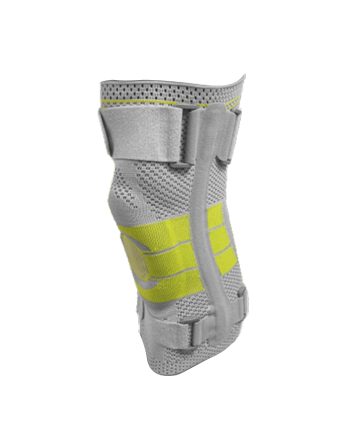
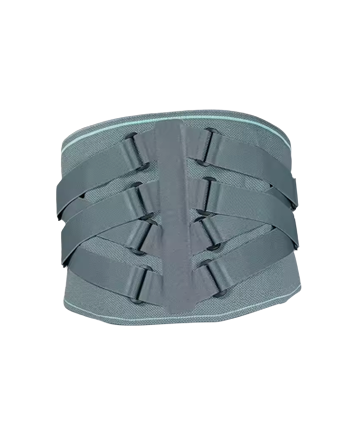
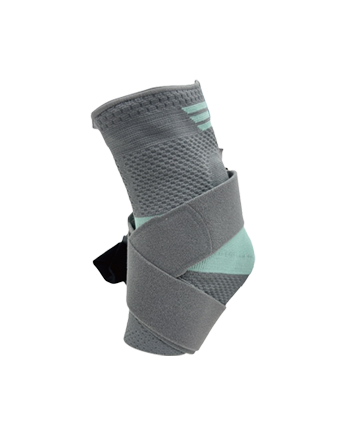
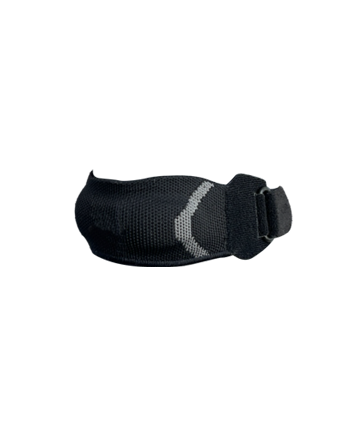
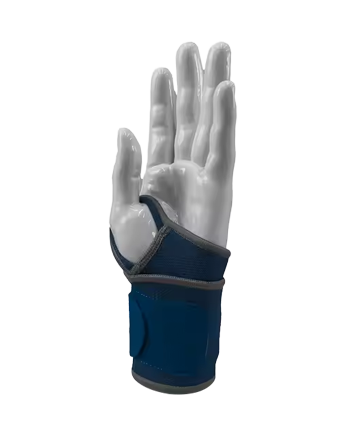
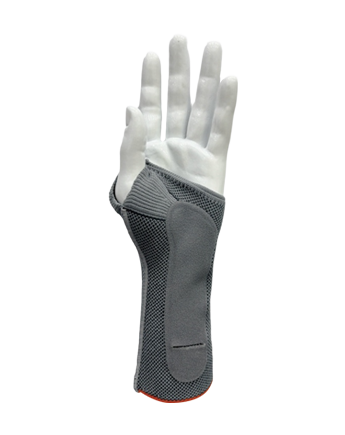
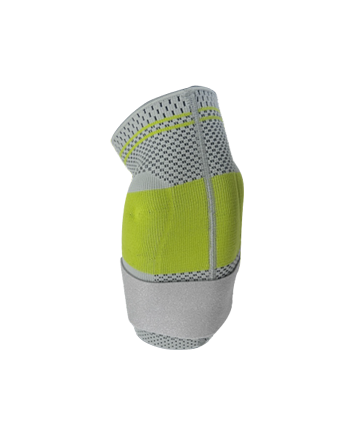
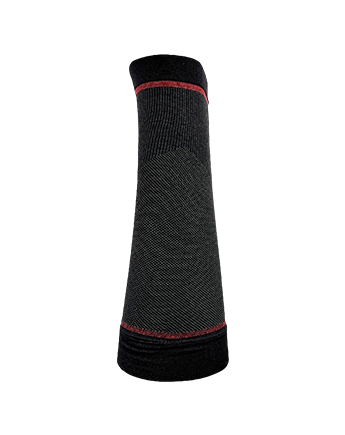
Holding a steering wheel for extended periods can be tiring for the hand. For drivers who experience ongoing discomfort—from a past injury, a chronic condition, or general wear and tear—this feeling often increases as a drive continues. A Palm Brace addresses this by providing external support for the hand and wrist, allowing the driver to maintain focus on the road.
Driving is not a passive task for the hand. Holding a wheel requires steady, low-level muscle effort that continues for as long as the trip does. That kind of prolonged contraction is tiring in ways that short drives do not reveal — grip sensitivity drops, pressure builds up in the palm, and the forearm muscles start working against each other rather than together.
For drivers without pre-existing conditions, this discomfort typically eases after a rest stop. For those already managing hand or wrist problems, the same hours behind the wheel can leave soreness and swelling that does not clear until the following day.
Highway driving sends a low but continuous vibration through the wheel and into the hand. It is easy to underestimate because the sensation is subtle — but over several hours, that steady input can aggravate already irritated tissue and make the hand more sensitive, not less.
A Palm Brace sits between the hand and that vibration source. It takes some of the transmitted force and spreads it more evenly, so the joints and soft tissue are not absorbing all of it directly.
A long drive is never just one grip held in place. The driver is constantly making small corrections — edging into a lane, tracking a curve, compensating for wind or an uneven surface. Each one asks the wrist to shift slightly, and for a hand that is already hurting, those small movements accumulate into something more significant.
A Palm Brace helps by keeping the wrist within a tighter, safer range of movement during those adjustments. It does not lock the wrist in place — the driver still has full control — but it reduces the unintentional movement that adds strain without adding anything useful.
A meaningful share of Palm Brace users are people who live with conditions that affect how the hand functions day to day — things that affect the joints, tendons, or nerves. These drivers are not expecting the brace to fix anything. They are looking for something that makes a long drive manageable, rather than something they spend the last hour bracing through.
The brace becomes a practical tool rather than a medical intervention. It extends the window during which driving is a comfortable option.
Returning to driving during recovery is a common challenge. Full grip strength has not come back yet, but normal life — errands, commuting, work — has resumed. The hand is at a point where overuse can set recovery back, but total rest is not realistic either.
A Palm Brace during this phase does two things worth noting:
Neither of these is dramatic, but both help keep recovery on track.
Truck drivers, delivery drivers, and long-haul operators are in a different category entirely. Their exposure to steering-related strain is not occasional — it is the core of their working day. Even without any prior injury, that kind of sustained use creates cumulative wear on the hand and wrist over months and years.
For this group, a Palm Brace tends to show up as a preventive choice rather than a response to pain that has already become serious. Sourcing in this context often happens at the fleet or employer level, where consistency across units and reliable availability carry more weight than individual preference.
Grip strength and joint resilience shift with age. Some drivers find that trips they handled without thinking a few years ago now leave their hands sore and stiff. The muscles are still functional — they just need more external support to sustain the same effort over the same distance.
A Palm Brace fills some of that gap. It provides structure the hand's own tissue is no longer supplying as easily, without requiring the driver to change how they actually drive.
The wrist has a natural resting angle — a slight extension — where the joints carry load more evenly and the surrounding tissue is under less pressure. During a long drive, fatigue pulls the wrist away from that position without the driver noticing. The angle changes gradually, strain builds up in specific spots, and by the end of the trip the discomfort is hard to trace back to any single cause.
A Palm Brace with a semi-rigid inner support nudges the wrist back toward that natural angle and keeps it there passively. The driver does not have to think about it — the brace handles the correction on its own.
Holding a steering wheel channels pressure into a few small areas of the palm. For a hand with inflamed or sensitive spots, those contact points become a problem that gets worse as the trip goes on.
A Palm Brace changes that picture by spreading the pressure across a wider surface. The grip still happens — the driver still has full contact with the wheel — but no single area of the hand is absorbing all of it. That shift alone can reduce how quickly discomfort builds.
Without support, the muscles of the forearm and hand carry the full job of keeping the grip stable, especially once fatigue sets in. A Palm Brace shares some of that work, effectively reducing the effort required to maintain control of the wheel.
Over several hours, that difference compounds. Less muscular effort means slower fatigue buildup, which means the hand holds up longer before discomfort starts affecting the driver's focus.
When swelling or nerve sensitivity disrupts normal hand sensation, drivers often compensate in ways that make things worse — gripping harder than needed, holding the wrist at an angle that increases tension. The adjustment is unconscious.
The physical contact of a Palm Brace provides ongoing sensory input that helps the hand stay aware of its own position and pressure. It is a subtle effect, but it tends to reduce those unconscious compensations over the course of a long trip.
For teams sourcing Palm Braces across a workforce or product line, sizing is a practical issue that surfaces quickly. A brace that fits one hand well and another poorly does not deliver consistent results — and inconsistent results tend to generate returns, complaints, and reorders that would have been avoidable.
It is worth asking whether the supplier's sizing system genuinely covers the range of hand sizes in the target population, and whether the closure or strap system gives enough room to adjust within each size.
Driving involves heat, sweat, and sustained contact — conditions that are harder on materials than occasional use. If the brace's inner lining causes skin irritation or feels unpleasantly warm soon after being put on, drivers are unlikely to wear it regularly, which compromises its functional value irrespective of its design.
Breathability and moisture management matter here as much as structural support. Both the outer layer and the lining need to work together for the brace to remain wearable across a full trip.
A Palm Brace that interferes with steering is not a support product — it is a safety issue. Any design that significantly restricts how the fingers move or limits the wrist rotation a driver needs for normal corrections creates a problem that outweighs the comfort benefit.
When evaluating products for driving-specific use, it is reasonable to ask for documentation on how much range of motion is retained, particularly for the rotation and flexion movements that driving actually requires.
Fleet and professional contexts mean the brace goes through daily cycles of wear, removal, and exposure to UV, sweat, and cleaning products. A product that performs well in initial testing but degrades within a few months creates a higher total cost than the unit price suggests.
Ask suppliers about how materials hold up under repeated use, how long closures and straps stay functional, and what care is needed to maintain the product's structure over time.
One thing worth noting for anyone developing product documentation or educational content around Palm Braces for driving use: the framing tends to matter as much as the information itself.
Drivers dealing with hand pain are not reading product pages looking to be convinced. They already know they have a problem. What they want to know is whether a specific product is actually suited to their situation — and vague claims about comfort or support do not answer that question. Clear explanations of how things work, without overstatement, tend to be more effective than those that focus primarily on outcomes.
For procurement teams, the process is more layered. Comparing specifications, assessing supplier reliability, checking compliance documentation, and working through the economics of a sourcing cycle all happen before a decision. Product content that addresses those questions directly is more useful than content written primarily for end users.
A basic documentation checklist for this audience might include:
Drivers who are actively looking for a Palm Brace before a long trip have usually already worked through the early stages of the decision. They understand the problem, they have connected it to the product category, and now they are trying to find a source they can trust. The awareness phase is done.
For distributors and retailers, that means the sourcing conversation starts further along than it might seem. Clarity on product suitability, stock availability, and the supplier's ability to deliver consistently is what moves things forward at this stage.
For manufacturers, it points toward positioning content around specific use contexts rather than general therapeutic framing. A driver managing long-trip hand fatigue responds to content that reflects their actual situation, not a broad claim about joint support.
Volume sourcing of Palm Braces — whether for distribution, private label, or workplace health supply — depends on more than product quality at the sample stage. A workable supplier relationship is built on production consistency, dependable sourcing, and stable fulfillment windows across orders. A product that performs well in one order but varies in the next creates downstream problems that are difficult to manage.
Zhejiang Steriger Sports Medicine Technology Co., Ltd. manufactures Palm Braces and related orthopedic support products for clients across distribution, retail, and occupational health channels. Their production is structured around order consistency, and product documentation is available to support compliance and retail requirements in target markets. Sourcing teams can reach out directly to discuss specifications, request samples, or explore supply terms suited to their volume and timeline.
If you are assessing Palm Brace products for distribution or procurement, a direct conversation with a supplier is where the useful detail tends to emerge — not in general product descriptions. Reach out to Zhejiang Steriger Sports Medicine Technology Co., Ltd. to request samples, review product documentation, or discuss production options suited to your market.
Steriger is a national high-tech enterprise specializing in the R&D and production of high-quality sports supports, medical braces, and sports compression socks.
Copyright © Zhejiang Steriger Sports Medicine Technology Co., Ltd.
The information provided on this website is intended for use only in countries and jurisdictions outside of the People's Republic of China.

Approval No: 浙金药监械生产备20200039号

 English
 Español
 Deutsch
 عربى
عربى Français