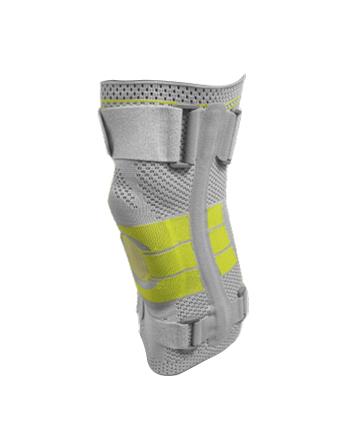
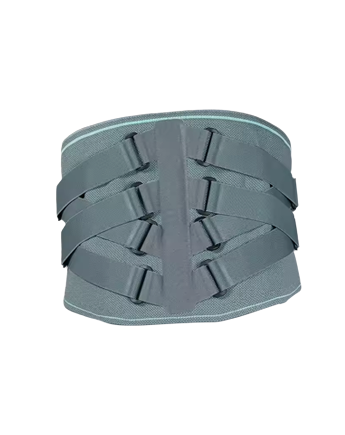
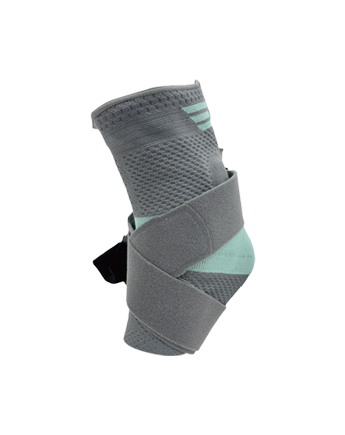
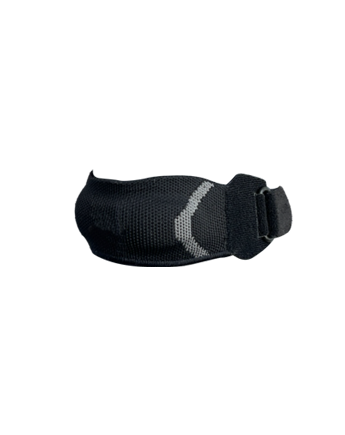
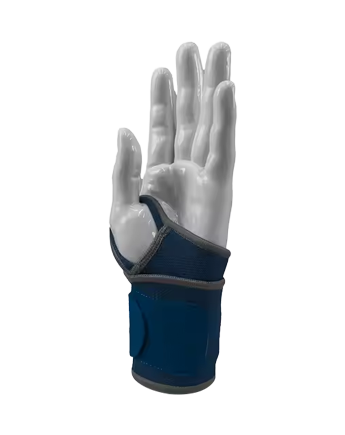
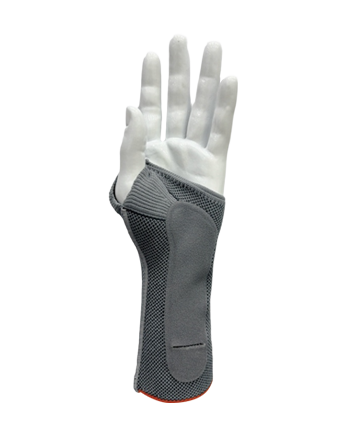
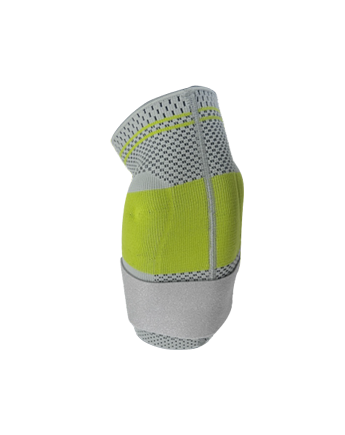
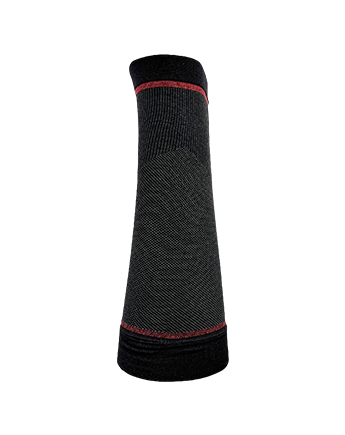
Wrist circumference, fastening pressure and the feel of the material against the skin together decide how comfortable a wristband remains during daily wear. Fixed-size designs often sit too tight on some wrists and too loose on others, leaving limited room for adjustment once the product is finished. An Adjustable Wrist Band allows the circumference to be set according to the individual wrist, reducing both excessive pressure and unwanted movement. When the same design is built from flexible neoprene, the combination of material give and adjustable closure supports a wider range of comfortable fits.
An adjustable structure covers a span of wrist sizes with a single product rather than requiring multiple fixed lengths. The available range of adjustment determines how broadly the band can be used. Confirming that range against the intended group of wearers prevents selection of a design that still leaves some wrists outside the comfortable zone.
Moving the fastening point allows the band to sit close enough to stay in place without pressing hard enough to restrict circulation. A fit that is too loose shifts during ordinary arm motion and can create friction as the band slides. The goal remains a secure position that leaves normal wrist flexion unrestricted.
Once the fastening is set correctly, the band is less likely to migrate up or down the forearm during routine activity. Dimensions of the band and the design of the closure both influence this stability. Testing the adjusted fit during typical movements confirms that the position remains consistent before longer periods of wear begin.
Neoprene's cellular structure stretches and recovers as the wrist bends and rotates. Thickness of the material affects how much resistance is felt during movement; a lighter density usually feels less restrictive for continuous wear. Matching thickness to the expected activity keeps the band from adding unnecessary bulk or stiffness.
Edges that are smooth and sealed reduce the chance of rubbing or irritation where the band meets the skin. Uneven seams or unfinished cut edges can become noticeable once the skin warms or moisture appears. Inspecting the construction and, where possible, trying a sample reveals whether the surface remains comfortable under real contact conditions.
Comfort depends on both the give of the neoprene and the behavior of the adjustment mechanism. A closure that is easy to operate encourages correct setting of the fit; a closure that is difficult to adjust may leave the band either too tight or too loose. The fastening must hold reliably yet still open without excessive force when the band is removed.
The intended wrist is measured according to the sizing guidance supplied with the product. That measurement is compared with the innermost and outermost positions of the fastening system. Only when the measured size falls inside the adjustment range can a comfortable intermediate setting be expected.
The band is placed around the wrist and the fastening is closed progressively until the position feels secure. Normal flexion and rotation are checked to ensure movement remains free. If pressure is felt at any point, the fastening is opened slightly and rechecked.
After a period of ordinary activity the band is examined for shifting, tightness or any sign of irritation. Minor readjustment is made if needed, following the product's fastening method. Persistent discomfort is addressed by removing the band rather than continuing wear under pressure.
An adjustable design covers multiple wrist sizes with one product. A fixed-size band matches only the circumference for which it was made. When the wearer group includes varied wrist measurements, the adjustable approach reduces the number of sizes that must be stocked.
An adjustable closure allows the same band to be tightened or loosened as needed. A fixed-size band is either put on or taken off; intermediate adjustment is not possible. Preference for one method over the other depends on how often the fit must be changed and on the dexterity of the intended wearers.
Adjustable sizing proves useful for events, promotional distribution, sports accessories and everyday wear when wrist sizes cannot be known in advance. Fixed-size options remain appropriate when exact measurements are available and consistent across the group.
The available adjustment span and overall dimensions are checked against the expected wrist range. Material thickness, flexibility and surface finish are examined for comfort during continuous contact. The fastening mechanism is tested for ease of operation and holding strength. Construction quality is reviewed for suitability under repeated adjustment. Color, customization and packaging options are confirmed if required. Sample fit and comfort are evaluated before any larger quantity is ordered.
Adjustability allows one band to serve wrists of differing size. Flexible neoprene accommodates natural movement while a well-designed fastening keeps the position stable without excess pressure. Together these elements produce a practical accessory for applications in which sizing flexibility matters. Review of dimensions, fastening details and available options against the intended use provides a clearer basis for selection.
| Factor | Adjustable Design Contribution | Fixed-Size Design Limitation |
|---|---|---|
| Wrist-size coverage | Single product spans a range of circumferences | Matches only one predetermined size |
| Pressure control | Fastening can be set to avoid excess tightness | No intermediate adjustment once manufactured |
| Stability during movement | Correct setting reduces shifting | May migrate if circumference is not exact |
| Convenience of fit change | Can be tightened or loosened as needed | Must be removed and replaced with another size |
| Inventory for varied users | Fewer size variants required | Multiple fixed sizes needed for the same coverage |
| Suitability for mixed groups | Useful when exact measurements are unavailable | Suitable when all wrists fall within one size |
Comfort in a wristband rests on the interaction of fit, material, construction and fastening design. Adjustability makes it possible to adapt the same product to individual wrists rather than forcing a single circumference onto every wearer. Zhejiang Steriger Sports Medicine Technology Co.,Ltd. produces neoprene wrist accessories with adjustable configurations. Review of available adjustment ranges, material options, fastening styles and customization possibilities against the intended wearer group and use conditions allows selection of a band that supports consistent comfort during everyday wear.
Steriger is a national high-tech enterprise specializing in the R&D and production of high-quality sports supports, medical braces, and sports compression socks.
Copyright © Zhejiang Steriger Sports Medicine Technology Co., Ltd.
The information provided on this website is intended for use only in countries and jurisdictions outside of the People's Republic of China.

Approval No: 浙金药监械生产备20200039号

 English
 Español
 Deutsch
 عربى
 Français