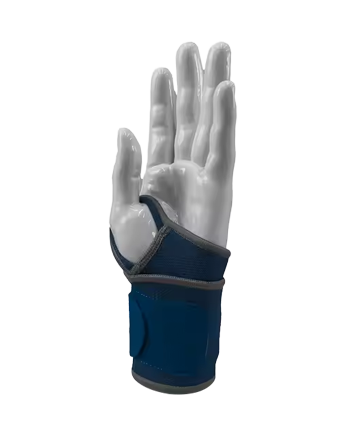
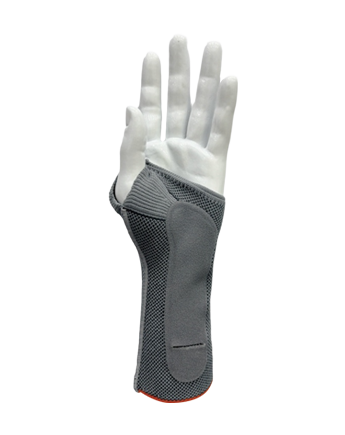
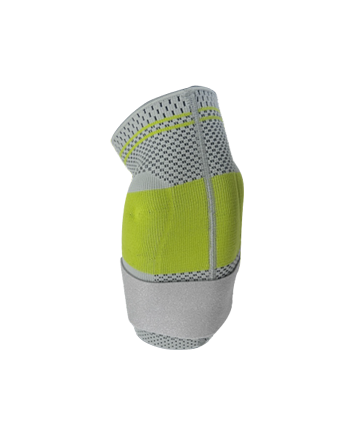
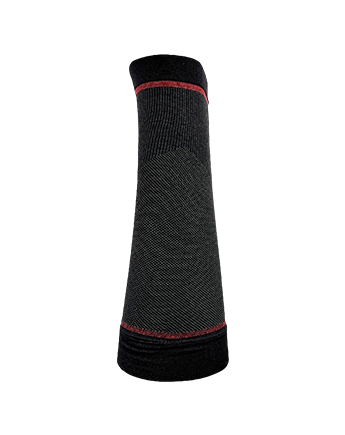
Hands tend to grow damp once fitness training begins. Gripping, lifting, and steady movement generate heat and moisture that collect inside gloves. How well the fabric allows air to pass shapes whether the hands stay relatively dry and whether the gloves remain comfortable as the session continues.
Sweating on the hands appears regularly once physical effort rises. Moisture gathers against the skin and stays inside the glove. A damp, closed-in feeling develops, sometimes turning sticky. Heat mixes with the moisture and forms a warm, humid pocket that becomes more noticeable the longer the gloves stay on. That interior climate can pull attention away from the training itself. Breathable fabrics work against the buildup by letting air move through and giving moisture a path to leave rather than remain trapped.
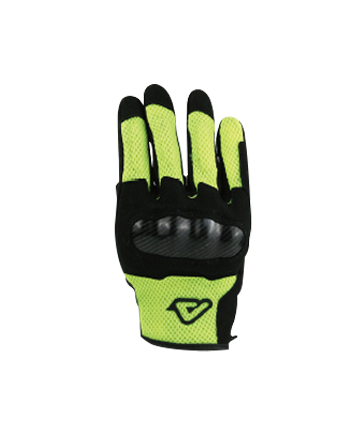
Lighter fabric constructions leave small pathways open so air can travel more freely. Mesh sections create larger openings that encourage circulation, particularly useful in zones where heat tends to gather. Fabrics also differ in how they deal with moisture. Some spread sweat across a wider surface so it can evaporate more readily, while denser materials hold it in place longer. Placement of the more open fabrics makes a difference as well. Locating them on the back of the hand, where warmth often concentrates, improves the overall interior feel without changing the basic form of the glove.
These features combine. Open structure, moisture movement, and careful placement together decide how effectively air circulates and how closely the space inside the glove stays toward a more comfortable state.
When air can pass, the closed space inside the glove remains less hot and less humid. The stuffy sensation that builds during longer efforts softens. Moisture is less likely to linger against the skin, which reduces the damp, clinging feeling that can appear partway through a session. Across both brief and extended training periods the wearing experience holds steadier because the fabric continues to support movement of air rather than sealing heat and moisture in place.
Results still differ from one situation to another. The specific fabric, the way the glove is put together, the surrounding temperature, and the intensity of the effort all influence how well the breathability performs. Fabric plays a clear part, yet it remains one element within the complete glove.
Mesh panels or other open designs on the upper surfaces give a direct visual indication. Noticing whether the back of the hand uses a lighter fabric than denser sections suggests intentional planning for airflow. Texture and thickness also affect the immediate sensation once the gloves are worn; lighter, more open textures generally support freer air movement. Aligning the glove style with the usual training setting and the amount of hand moisture that typically appears further narrows the selection.
| Breathability Feature | Role in Air Movement and Comfort | Visible or Tactile Clue |
|---|---|---|
| Lightweight construction | Opens pathways for air to travel | Thin or open-weave sections |
| Mesh or open panels | Increases circulation where heat collects | Mesh visible on the back of the hand |
| Moisture movement | Spreads and releases sweat instead of trapping it | Fabric that feels less dense against the skin |
| Fabric placement | Targets zones where warmth and moisture gather | Different materials on upper versus lower areas |
| Overall material feel | Supports steadier comfort through the session | Light texture without excess bulk |
These points keep attention on how the fabric behaves.
Breathability influences how dry the hands stay and how comfortable the gloves feel from the beginning of a session through to the end. Choosing gloves benefits from attention to fabric construction rather than surface appearance alone. Matching the material traits to the demands of the training setting and the usual level of hand moisture supports a more practical decision. Sport Fitness Hand Gloves that use thoughtfully arranged breathable fabric show how these ideas can take shape in actual products. Recognizing the connection between fabric airflow and wearing comfort helps guide selection toward materials suited to regular training.
Zhejiang Steriger Sports Medicine Technology Co.,Ltd. develops practical supportive products and remains open to further product inquiries.
Steriger is a national high-tech enterprise specializing in the R&D and production of high-quality sports supports, medical braces, and sports compression socks.
Copyright © Zhejiang Steriger Sports Medicine Technology Co., Ltd.
The information provided on this website is intended for use only in countries and jurisdictions outside of the People's Republic of China.

Approval No: 浙金药监械生产备20200039号

 English
 Español
 Deutsch
 عربى
عربى Français