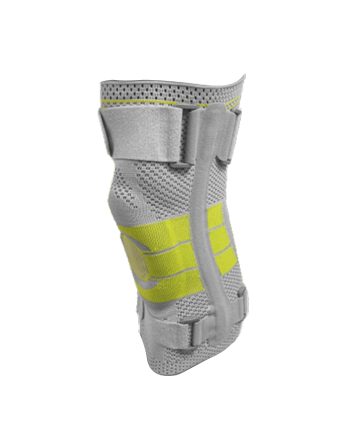
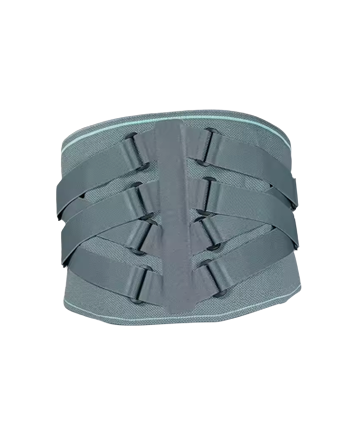
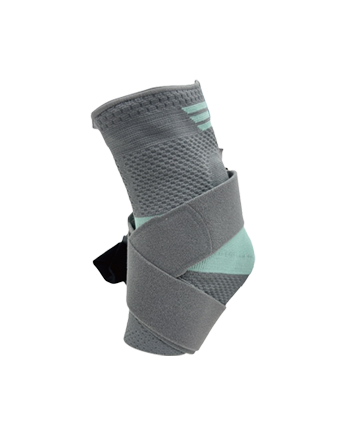
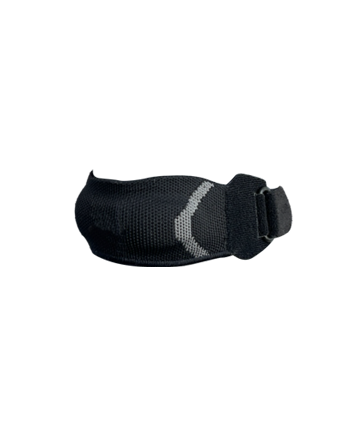
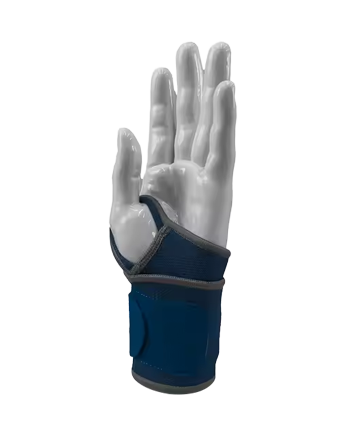
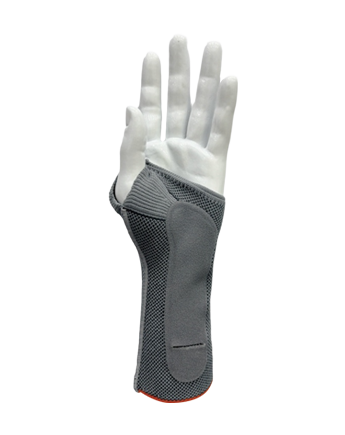
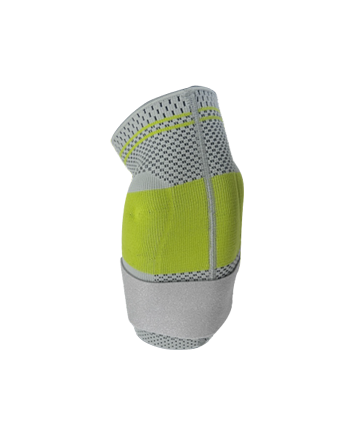
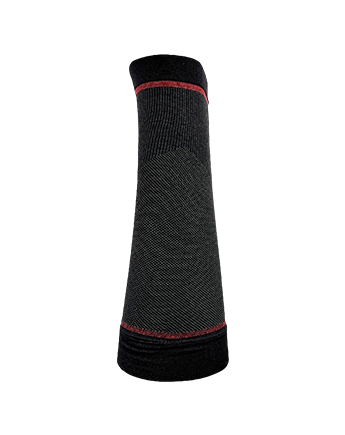
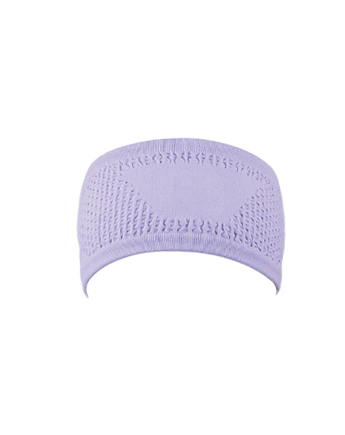
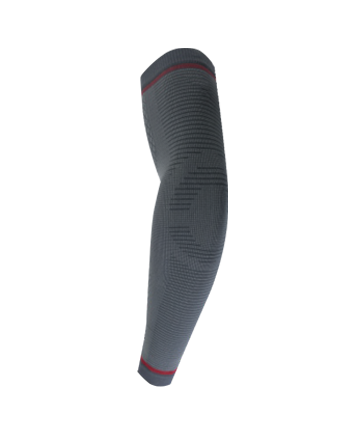
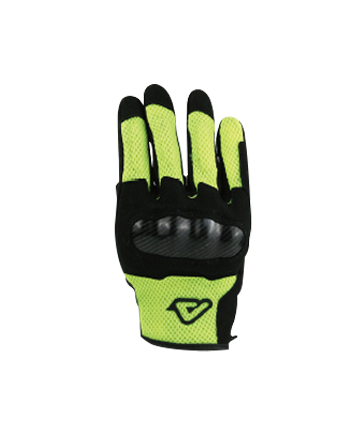
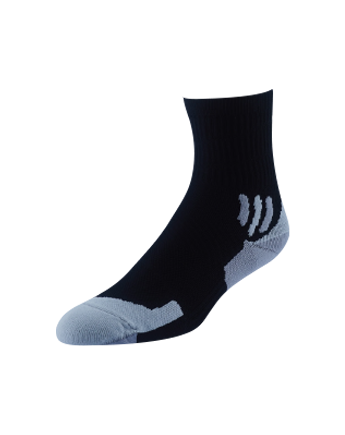
Wristbands and hand supports show up in training sessions, jobs that call for repeated gripping or lifting, and ordinary daily tasks that load the wrists and hands. The material used shapes softness against the skin, how closely the product wraps, how air moves through it, and how the structure holds up after weeks or months of use. Neoprene appears often in this product group. The question worth examining is what traits the material brings and why those traits work for items worn on the wrist and hand.
Neoprene is a synthetic rubber that bends and recovers. Items needing mild cushioning and a close wrap frequently rely on it. At the center sits a foamed rubber layer that supplies the main body. Fabric is bonded to one or both sides depending on the job the finished product must do. Outer faces may carry nylon or polyester for a smoother or tougher surface. The side that meets the skin can be chosen for a softer touch.
Formulation, the way layers are joined, and the rest of the manufacturing steps all vary. Thickness, stretch, and surface texture therefore differ from one product to the next. Performance never rests on the mere presence of neoprene. The full construction decides how the material behaves in real use.
The material follows the natural bending and stretching that happen when the wrist and hand move. Everyday actions such as typing, lifting objects, gripping tools, or performing sports motions require repeated flexing. Neoprene can track those contours without feeling stiff. Thickness combines with the amount of stretch and the overall product shape to create a middle ground between a secure wrap and enough room for comfortable motion.
Recovery after stretch also counts. Material that returns toward its earlier shape after many cycles helps the product keep a steady feel over time. The actual support level still depends on more than the rubber itself. Design details, correct sizing, and the arrangement of any closures all play a part in the final sensation.
Neoprene holds a certain amount of warmth. In denser forms it lets less air pass than open-weave fabrics, so heat and moisture can collect when the product stays on for hours. Some constructions add small openings, pair the rubber core with more open fabric layers, or select linings that feel cooler next to the skin.
Softness on the inner face and the way seams and edges are finished further shape comfort. Rough edges or heavy stitching can create pressure spots even when the main material remains flexible. Airflow therefore rests on the complete build—thickness, any open areas, the fabrics bonded to the core, and the overall form—rather than on the base material by itself.
The flexible character of neoprene lets it handle the bending that occurs in ordinary daily or training routines. Fabric layers bonded to the surface change both the hand feel and the resistance to rubbing and scuffing. They also help the structure keep its shape longer.
Stitching quality, edge finishing, and the lasting power of any hook-and-loop closures all affect how long the finished item remains serviceable. Outside conditions matter too. High heat, long stretches of direct sun, harsh cleaners, and repeated forced stretching can age the material, reduce its bounce, or cause the rubber and fabric layers to separate. Careful handling slows those changes.
Elastic fabric products often feel lighter and may allow more air to pass, yet they can supply less inherent cushioning. Neoprene, by contrast, gives a denser, more contained sensation because of its rubber core. Nylon is a synthetic fiber, not a rubber. It shows up frequently as a surface fabric and offers strength along with a smooth finish, but it does not deliver the same compressible body that neoprene provides. Cotton feels soft and takes up moisture readily, yet it can stay damp longer and may need more frequent washing to remain fresh. Drying times and care routines differ as a result.
| Material Aspect | Neoprene Traits | Tendencies of Other Common Materials |
|---|---|---|
| Flexibility and wrap | Follows contours with mild cushioning | Elastic fabrics stretch lightly; cotton less structured |
| Air movement | More limited in solid forms; design can improve it | Often higher with open fabrics or cotton |
| Surface and contact feel | Can be soft-lined or smooth-finished | Nylon smooth and strong; cotton soft and absorbent |
| Care needs | Gentle cleaning and air drying preferred | Cotton may require more frequent washing |
| Structural presence | Supplies inherent thickness and recovery | Fabric-only options rely more on weave alone |
No material fits every situation equally well. The more suitable choice depends on how long the product will be worn, the activity involved, the surrounding conditions, and personal preference for temperature and feel.
Cleaning follows the instructions that come with the product. Mild methods clear away sweat and surface dirt without aggressive scrubbing or strong chemicals. Air drying works best. High heat from machines or direct contact with hot surfaces can harm the material.
Long periods in strong sunlight, unsuitable cleaners, and forced stretching of the rubber or the fasteners are avoided. Visible cracking, lasting changes in shape, separation between the rubber core and fabric layers, or closures that no longer hold signal that the product is reaching the end of useful life. Replacing it at that point keeps the support function reliable.
Neoprene offers flexibility, a close wrap, mild cushioning, and the ability to accept different fabric surfaces and linings. Neoprene Wristbands and Neoprene Hand Support products illustrate how these traits can be applied in practice. Breathability, long-wear comfort, and overall durability still depend on thickness, the fabrics chosen for lamination, and the details of construction. Selection works when matched to the intended activity, the typical environment, and the sensation against the skin.
Knowing both the strengths and the limits of the material supports clearer decisions when selecting items for regular training or daily tasks.
Zhejiang Steriger Sports Medicine Technology Co.,Ltd. develops practical supportive products that incorporate materials such as neoprene and remains open to further product inquiries.
Steriger is a national high-tech enterprise specializing in the R&D and production of high-quality sports supports, medical braces, and sports compression socks.
Copyright © Zhejiang Steriger Sports Medicine Technology Co., Ltd.
The information provided on this website is intended for use only in countries and jurisdictions outside of the People's Republic of China.

Approval No: 浙金药监械生产备20200039号

 English
 Español
 Deutsch
 عربى
عربى Français