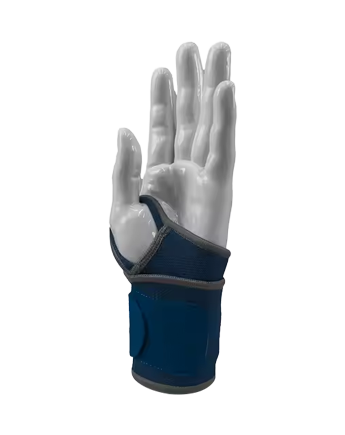
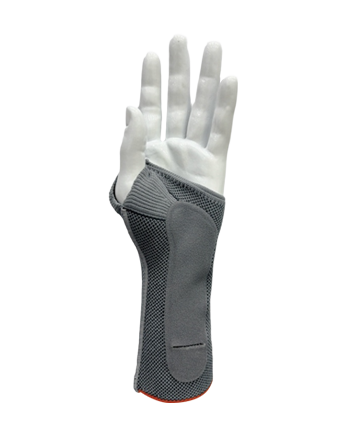
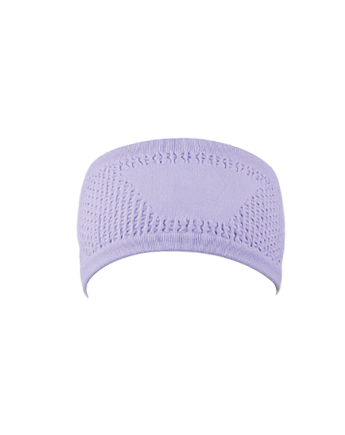
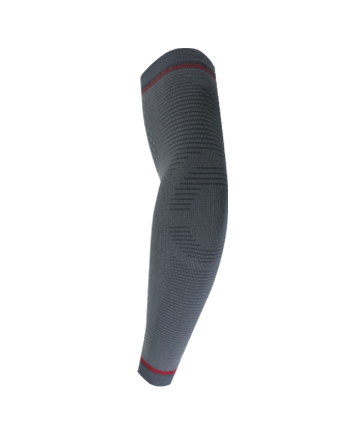
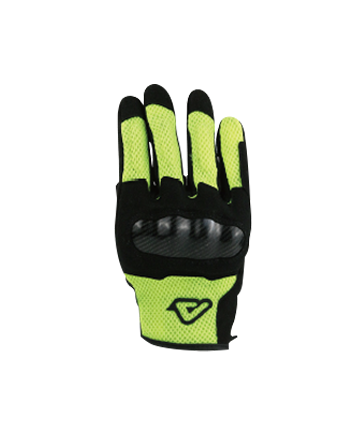
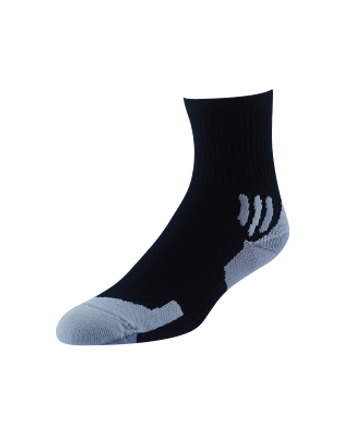
Gloves that get worn often pick up dirt, oils from skin, and the effects of rubbing against desks, bags, or outdoor surfaces. Over time the knit can pill, stretch, fade, or lose its original shape. Loose threads appear. The soft feel of the gloves can disappear if they are washed too roughly or stored while damp. A few simple habits around cleaning and storage slow that process down and help the gloves stay comfortable and presentable for longer. Knit Fingerless Gloves Flat and Wholesale Sports Gloves made in a knitted style respond well to the same careful treatment that suits other soft knit accessories.
Daily wear builds up grime faster than occasional use. When the fabric looks marked or starts to smell, it is time to clean them. Sweat, dust from outside, or time spent in a busy workspace all shorten the gap between washes. The label sewn into the gloves gives the clearest direction because different yarns handle water and detergent differently. Paying attention to both the gloves' appearance and the care label helps maintain an appropriate cleaning schedule without washing them too often or too frequently.
Cool or lukewarm water with a mild detergent is usually enough. The gloves can be pressed gently in the basin rather than twisted or scrubbed hard. If the label allows a machine, a gentle cycle and a mesh bag cut down on friction. Rinsing should clear away every trace of soap without pulling the knit out of shape. Strong bleaches and harsh cleaners are risky for many yarns and can change the color, so they are better left out unless the label specifically allows them.
Wringing forces water out quickly but also stretches the stitches and can leave the gloves looking uneven. Pressing them between towels removes excess moisture more safely. Once the excess water is gone, the gloves can be reshaped with the hands and laid flat. Heat from radiators, tumble dryers, or strong sun can shrink some fibers or make them brittle. Waiting until the gloves are completely dry before putting them away prevents musty smells and other moisture problems later.
Rubbing against rough surfaces makes short fibers gather into small pills on the outside. A fabric comb or a gentle shaver can tidy them up if used carefully and tested on a hidden spot first. Loose ends should not be yanked, because that can unravel nearby stitches. Looking over the seams, the cuffs, and the open edges every so often catches small problems early. Treating the gloves gently while wearing them and while putting them away also reduces unnecessary wear.
Wool usually prefers a detergent made for that fiber and as little agitation as possible so it does not shrink or felt. Acrylic versions generally follow the care label and stay away from high heat. Cotton can shrink if the water is too warm or if the gloves are dried with heat, so cooler washing and flat drying are often safer. Blends need attention to the fibers listed on the label rather than one single method applied to every pair.
Clean, fully dry gloves store better than ones that still hold moisture or dirt. A cool, dry drawer or shelf away from damp corners and long hours of direct sun protects both color and fiber strength. Laying them flat or folding them loosely avoids deep creases and stretched areas. Heavy items stacked on top for weeks can flatten the knit permanently. Keeping each pair together in the same place stops one glove from disappearing.
Hot water when the fiber cannot take it, strong detergents or bleach used without checking, and rough handling during washing all shorten the useful life. Drying with too much heat or hanging wet gloves so they stretch under their own weight changes the fit. Putting them away while still damp or leaving them in strong sunlight for long stretches affects both looks and strength. Ignoring early signs like loose threads or stressed seams lets small issues grow into bigger ones.
| Care Step | Simple Action to Take | Why It Helps the Gloves Last |
|---|---|---|
| Deciding when to wash | Clean when dirt or odor shows, guided by the label | Avoids buildup without washing too often |
| Washing method | Use mild detergent and gentle handling | Protects the knit from stretching and fiber damage |
| Drying | Press out water, reshape, dry flat away from heat | Keeps the original shape and avoids shrinkage |
| Surface care | Remove pills carefully and leave loose yarns alone | Maintains a neater look and stops further unravelling |
| Storage | Store clean, dry, and loosely folded in a cool place | Reduces creases, stretching, and moisture issues |
Gentle washing, careful drying, attention to surface wear, regular checks, and sensible storage help keep the gloves in good condition. Different yarns ask for slightly different approaches, so the care label stays the main reference. Steady habits help the gloves hold their shape, their soft feel, and their everyday usefulness. Choosing a pair that matches the intended use and then following the care steps that suit the fiber supports longer wear without much extra effort.
Zhejiang Steriger Sports Medicine Technology Co., Ltd. develops practical knit accessories and remains available for further product inquiries.
Steriger is a national high-tech enterprise specializing in the R&D and production of high-quality sports supports, medical braces, and sports compression socks.
Copyright © Zhejiang Steriger Sports Medicine Technology Co., Ltd.
The information provided on this website is intended for use only in countries and jurisdictions outside of the People's Republic of China.

Approval No: 浙金药监械生产备20200039号

 English
 Español
 Deutsch
 عربى
 Français