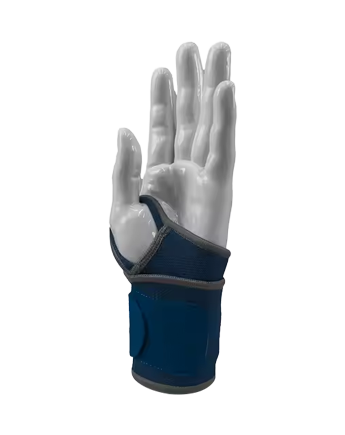
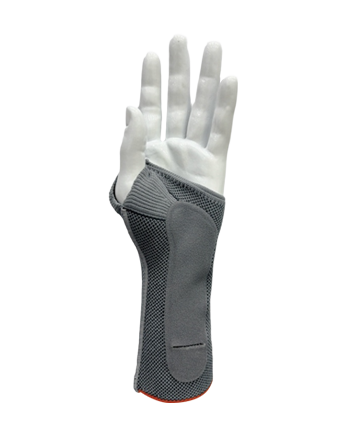
Keeping hands warm while still being able to use the fingers freely is a common need in cool weather and during many indoor tasks. Full coverage can get in the way of typing, writing, or handling small objects. Knit fingerless gloves solve that by covering the palms and wrists while leaving the fingertips open. The design suits mild cold, indoor settings, short outdoor trips, and any activity that calls for quick finger movement. How well they work depends on the temperature, the level of activity, the yarn used, and personal preference for warmth. Knit Fingerless Gloves Flat and Wholesale Sports Gloves options that follow this open-finger style offer a practical middle ground between bare hands and fully enclosed gloves.
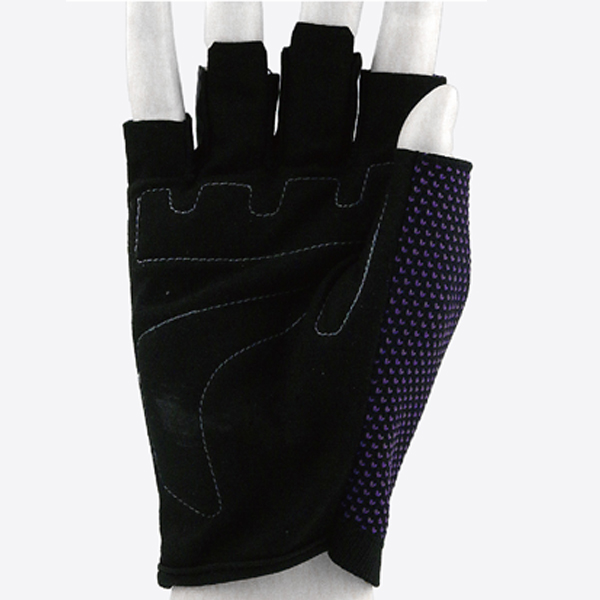
In mild cold the knitted fabric holds warmth around the palms and wrists while the open fingertips stay free for movement. Moving between heated indoor spaces and cooler outdoor air becomes simpler because the gloves do not need to be taken off for every small task. When temperatures drop further or wind becomes stronger, the exposed fingers can cool quickly, and full-finger gloves then provide more complete protection. Yarn choice affects the result. Wool tends to insulate well in cooler air. Acrylic versions are often lighter and easier to care for. Blends can combine softness with durability according to the intended use.
At a desk the open fingertips allow direct contact with a keyboard or pen while the rest of the hand stays covered. In a cool room the same coverage helps during reading or studying without restricting page turning or note taking. Crafts such as drawing, light assembly, or handling small tools also benefit from free fingertips and warm palms. Around the house the gloves can stay on during quiet activities in cooler rooms, giving light warmth without the need to remove them repeatedly.
Short walks, daily travel, and brief outdoor errands are common situations where partial hand coverage is enough. The gloves keep the palms and wrists warmer during cool morning or evening movement while still allowing easy handling of keys, tickets, or devices. Activities that involve frequent adjustments to cameras or other small equipment can also work well when the weather is not severe. Wind strength, air temperature, length of time outside, and how active the person is all influence whether the open-finger style remains comfortable. In stronger cold or longer exposure, fuller coverage becomes the more practical choice.
Touchscreens respond directly to skin, so exposed fingertips remove the need to pull gloves on and off for every interaction. Typing benefits from the same direct contact with keys while the palms and wrists stay covered. Writing and handling small objects also gain from the natural feel of the fingertips. Comfort during longer periods of use depends on how the gloves fit, where the seams sit, how soft the yarn feels against the skin, and whether the wrist opening stays secure without tightness.
Any task that needs precise finger control favors the open design. Typing, writing, and manipulating small items are easier when the fingertips remain free. In cool rather than freezing air the partial coverage is often sufficient. Moving frequently between different activities is simpler when the gloves do not have to be removed each time. When fingers need protection from deeper cold, wind, or rough surfaces, full-finger gloves remain the more suitable option.
Wool provides natural insulation that suits cooler days. Acrylic yarns are widely used for lighter, easy-care knit accessories. Cotton-rich versions may feel preferable in milder conditions for those who favor that fiber. Blended yarns combine characteristics such as softness, strength, and ease of washing according to how the fibers are mixed. The choice should follow the typical temperatures and the expected frequency of wear.
A secure yet comfortable fit keeps the gloves in place without squeezing the hands or wrists. The density of the knit affects both warmth and flexibility. Longer wrist coverage or ribbed cuffs can improve the seal against cool air. Neutral or seasonal colors make the gloves easier to pair with ordinary clothing. Care should follow the instructions that match the yarn composition so the shape and softness last longer.
| Situation | Advantage of Fingerless Design | When Fuller Coverage May Be Preferable |
|---|---|---|
| Mild cool weather | Warms palms and wrists while keeping fingers free | Stronger cold or wind |
| Desk work and typing | Direct fingertip contact with keys and screens | Very cold indoor spaces |
| Short outdoor movement | Easy handling of everyday items during brief trips | Longer exposure or lower temperatures |
| Crafts and small-object tasks | Natural tactile feedback and precise control | Rough surfaces or colder conditions |
| Frequent indoor-outdoor changes | No need to remove gloves for every small action | Extended time in deeper cold |
Cool weather, indoor desk work, short outdoor movement, reading, and any activity that requires free fingertips are the settings where these gloves fit naturally. Yarn type, fit, knit density, and the real temperature all shape the wearing experience. When complete finger coverage and greater warmth are required, full-finger gloves remain the more appropriate choice. Matching the style and material to the intended use supports more comfortable daily wear.
Zhejiang Steriger Sports Medicine Technology Co., Ltd. develops practical knit accessories and remains available for further product inquiries.
Steriger is a national high-tech enterprise specializing in the R&D and production of high-quality sports supports, medical braces, and sports compression socks.
Copyright © Zhejiang Steriger Sports Medicine Technology Co., Ltd.
The information provided on this website is intended for use only in countries and jurisdictions outside of the People's Republic of China.

Approval No: 浙金药监械生产备20200039号

 English
 Español
 Deutsch
 عربى
 Français