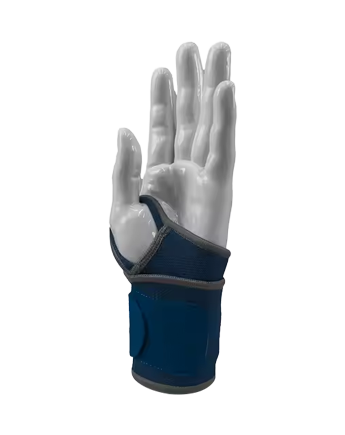
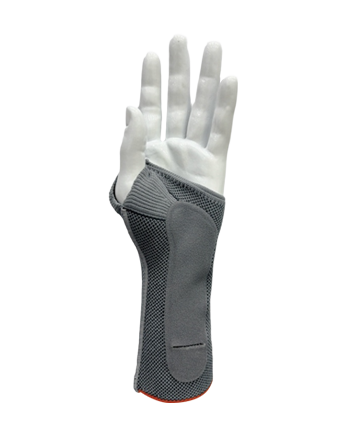
Demand for knee supports in training, fitness and everyday sport keeps brands, wholesalers and importers looking for factories that can deliver consistent product. Sourcing problems often stem from uneven fabric, size drift, weak finishing or poor communication once an order is placed. A structured review of experience, materials, equipment, quality systems and commercial terms reduces those risks. Athletic Knee Support Products should be sourced from a manufacturer whose capabilities match the intended construction, volume and market requirements rather than based solely on the lowest-priced quotation.
Some factories focus on knitted sleeves, others on cut-and-sewn elastic supports or mixed programs. Clarifying whether the plant regularly makes the required structure—flat knitted, elastic sleeve or another type—shows whether the enquiry sits inside normal work or at the edge of capability. Existing catalogues and samples indicate how close current output is to the buyer's brief.
Flat knitting allows shaped panels, zoned stretch and integrated edges when the equipment and know-how are in place. Questions about machine types, available stitch structures and the ability to follow size charts or design notes reveal whether the factory can execute a specific knitted support rather than only a generic tube.
Samples, line sheets and references from sports distributors or private-label programs show whether the manufacturer is used to export packaging, labelling rules and repeat order discipline. Experience with the buyer's target region helps when documentation, packing or size curves must align with local expectations.
Composition should be stated clearly—polyester, nylon, spandex or other fibres as applicable—and matched to the agreed specification. Roles of each fibre in durability, stretch and recovery are understood in principle, but the binding reference remains the composition on the order and the datasheet.
Where the application depends on elastic return after repeated bending, stretch and recovery information—or practical tests on samples—should be available. Results are compared with the demands of the intended sport or retail channel rather than accepted as abstract laboratory numbers.
Length, width and the circumference range each size is meant to cover are confirmed in writing. Capability to add or adjust sizes for different customer groups is discussed early if the standard grid is incomplete.
Knitting regularity, edge quality, any seams and overall appearance are inspected on samples. Loose ends, uneven loops and dimensional scatter are noted and compared against the approved reference before bulk is authorised.
For flat knitted designs, the factory's machines must be able to produce the required structures and widths. Machine capability is judged against the product drawing or sample, not against a general claim of "knitting capacity."
Yarn preparation, knitting, shaping, edge finishing, inspection and packing form a chain. How specifications are locked at each stage and how different models or sizes are scheduled affects both quality and delivery time.
Capacity for the planned order size, ability to repeat the same specification later and clarity of production scheduling and contact points are confirmed before reliance on a single source.
Yarn and related inputs are checked for identity and consistency before they enter knitting. Batch identification supports traceability when a later complaint arises.
Pattern accuracy, fabric appearance and in-process measurements are monitored so that defects are caught before a full lot is finished. Defined reactions to deviations matter as much as the checks themselves.
Dimensions, appearance and workmanship are verified on finished pieces. Stretch and recovery checks are included when the specification requires them. Availability of inspection records with shipments supports the buyer's own quality file.
A pre-production or reference sample is approved in writing. Bulk is expected to follow that sample. Methods for limiting drift between batches—retained samples, measurement logs, process settings—are discussed openly.
Willingness and ability to adjust length, circumference, zone design or edge type according to drawings or counter-samples define the real custom scope. What can and cannot be changed is listed before development fees or timelines are agreed.
Available yarn blends and colour options—including dark sports shades such as black—are confirmed. Colour continuity standards for repeat orders are agreed if visual match is critical.
Logo placement, care labels, hangtags and inner or outer packs for retail or wholesale are specified. Artwork formats and approval steps prevent last-minute packing errors.
How the factory reviews a custom brief, produces development samples, freezes specifications and moves to production is mapped. Extra costs and conditions are stated up front.
Price requests include material, construction, size breakdown, packing and quantity. Comparing suppliers on unit price alone hides differences in fabric, finishing or carton content.
Minimum order quantities, rules for sample or trial lots and terms for repeat purchases are clarified. Payment and order confirmation steps are written down to avoid ambiguity.
Expected production duration, packing lists, carton data and shipping methods are agreed. How delays or changes are communicated is part of the same discussion.
A defined channel for quality feedback, evidence required and corrective follow-up indicates whether the relationship can survive normal commercial friction.
What fibres are used, and what documentation supports the composition claim?
Does the plant run flat knitting equipment suited to the required designs, and what similar products has it shipped?
Can reference or pre-production samples be supplied, and how is approval recorded?
Which checks cover dimensions, appearance, stretch and recovery?
What customisation of product, label and pack is actually offered?
Dimensions, composition, quantity, colour and packing requirements should be prepared in advance so quotations are comparable.
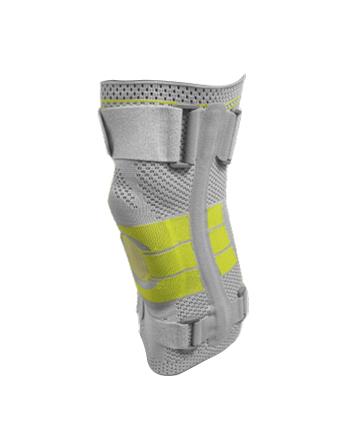
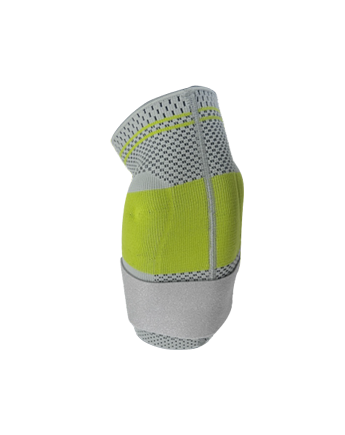
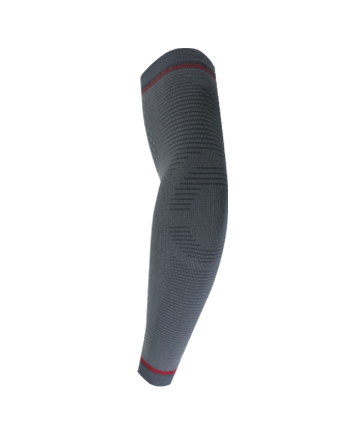
A flat knitting sports knee support illustrates the construction type many buyers specify: loop-based fabric, possible zoned stretch and integrated or finished edges. Material composition and process details from the supplier anchor the technical discussion.
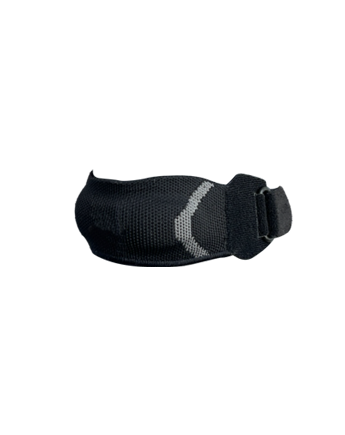
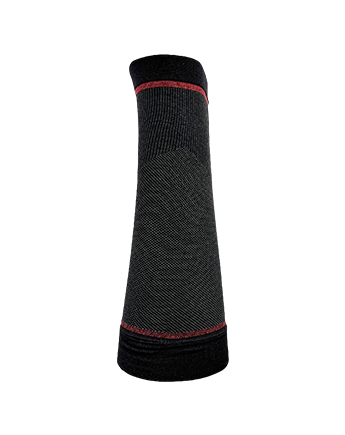
A Black Elastic Knee Support in knitted form is a typical wholesale item for sports accessory lines. Stretch, recovery and fit characteristics are taken from verified product data and sample evaluation, not from colour alone.
Published size grids, measurements and composition allow buyers to shortlist before sampling. Fit is confirmed on the body or on agreed forms using actual pieces.
Bulk terms and any OEM or private-label options are negotiated against factory capability. Brands, importers and distributors share target specs and volumes when requesting samples, datasheets and quotations.
| Evaluation Area | What to Verify | Why It Matters |
|---|---|---|
| Product experience | Support types, knitting know-how, market channel | Reduces trial-and-error on unfamiliar constructions |
| Materials and specs | Composition, stretch/recovery, sizes, finish | Locks the product definition before bulk |
| Equipment and capacity | Suitable machines, process control, volume | Matches design intent and order scale |
| Quality system | Incoming, in-process, final checks, sample lock | Limits batch drift and supports claims handling |
| Custom and packing | Design changes, colour, label, inner/outer pack | Enables private label without scope surprises |
| Commercial terms | Quote basis, MOQ, schedule, after-sales path | Makes total cost and risk comparable |
Reliable supply of knee supports rests on proven production experience, controlled materials, suitable equipment, enforceable quality checks and clear commercial communication. Sample approval and written specifications protect both sides before volume begins. Zhejiang Steriger Sports Medicine Technology Co., Ltd. manufactures knitted sports supports and related athletic accessories. Review of factory capability, material data, sample quality and order terms against the buyer's product and volume plan supports selection of a manufacturing partner suited to stable athletic knee support supply.
Steriger is a national high-tech enterprise specializing in the R&D and production of high-quality sports supports, medical braces, and sports compression socks.
Copyright © Zhejiang Steriger Sports Medicine Technology Co., Ltd.
The information provided on this website is intended for use only in countries and jurisdictions outside of the People's Republic of China.

Approval No: 浙金药监械生产备20200039号

 English
 Español
 Deutsch
 عربى
 Français