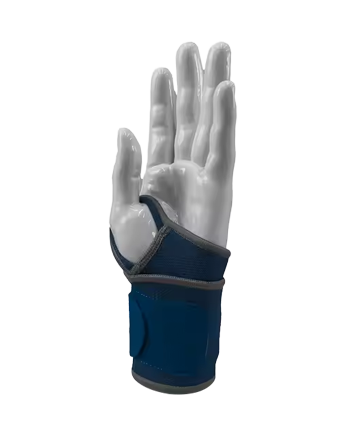
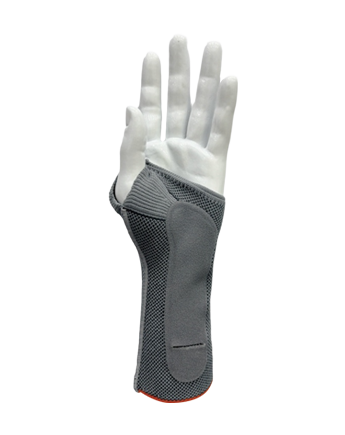
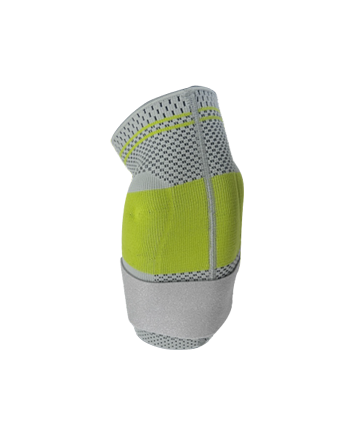
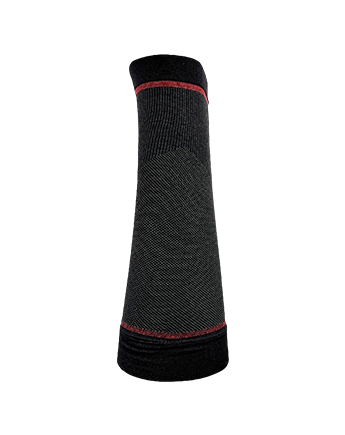
Wearing a wrist or palm support in warm weather is a different experience from wearing one in cool conditions. The heat builds under the fabric, sweat accumulates against the skin, and what started as a supportive tool becomes uncomfortable within an hour. Anyone who has tried to get through a summer workday, a rehabilitation session, or an outdoor activity while wearing a Hand Palm Brace that traps heat knows exactly how quickly discomfort turns into a reason to take it off — which defeats the purpose entirely. Finding a brace that holds up in hot conditions is less about compromise and more about knowing what to look for in the material and design.
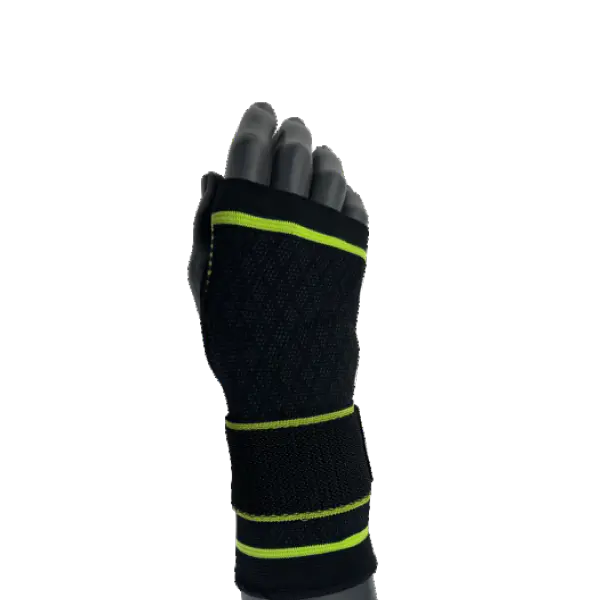
Most Palm Braces are built around support as the primary design goal. Breathability comes after. The materials that provide the firmest support — neoprene, dense foam padding, layered fabric — happen to be the same materials that trap heat and hold moisture against the skin. This is not a flaw in the design logic, just a tension between two performance requirements that pull in different directions.
The result in practice: a brace worn for a few hours in warm conditions generates sweat underneath, the fabric stays damp, the skin underneath softens and becomes more susceptible to irritation, and the brace starts to slip or feel uncomfortable. For rehabilitation users who need to wear a Palm Support Bandage across a full day, or workers in warm environments who need consistent hand support, this is not a minor inconvenience.
Neoprene is worth addressing directly because it is so common in wrist and palm support products. It provides genuine structural support, resists moisture from external sources, and holds its shape well under repeated use. The problem is that it creates a sealed environment against the skin. Perspiration cannot escape. In cool conditions, that sealed warmth can actually be beneficial. In summer or in warm indoor environments, it becomes the main source of discomfort.
That does not mean neoprene braces are useless in warm weather — it means they are better suited to short-duration use or situations where external moisture protection matters more than airflow. For sustained wear in heat, there are better options.
The core difference between a breathable Palm Brace and a standard one comes down to whether air can pass through the material in contact with the skin. Mesh fabrics achieve this through a structured open weave — small gaps in the fabric allow airflow across the skin surface, which carries heat and moisture away rather than trapping them.
Open-knit construction works through a similar principle but at a different structural level. The yarn is looped in a pattern that maintains slight gaps between the fibers, creating a fabric that flexes with movement while still allowing air exchange. These materials feel lighter on the skin, dry faster when they do get wet, and do not hold heat the way denser materials do.
The trade-off is real. A pure mesh Palm Brace will not provide the same level of compression or rigid support as a neoprene equivalent. For users who need firm stabilization — post-injury support, significant joint instability — mesh alone may not be sufficient. But for a wide range of everyday use cases, mild support from breathable fabric is enough, and the comfort difference over hours of wear is significant.
Breathability and moisture-wicking are related but not identical. A breathable material allows air to pass through it. A moisture-wicking material actively pulls sweat away from the skin surface and moves it toward the outer fabric layer, where it can evaporate. Hot-weather Palm Support Bandage designs incorporate both properties together.
Fabrics engineered for moisture transport — typically synthetic blends used in athletic and medical applications — create a more comfortable environment against the skin during sustained activity. They do not eliminate sweat, but they keep the skin surface drier, reduce the feeling of dampness, and lower the chance of skin irritation from prolonged moisture contact.
One of the straightforward ways to improve comfort in hot weather is to reduce the amount of fabric covering the hand. Open-palm designs leave the palm surface exposed while providing support at the wrist and dorsal areas. Fingerless configurations cover the hand and wrist without enclosing the fingers, which keeps the active parts of the hand free while maintaining joint stability.
For a Hand Palm Brace worn during work tasks or activity, an open-palm design also has a practical benefit beyond comfort: it preserves tactile sensitivity and grip function, allowing the hand to work normally while still receiving support.
A brace that fits too tightly in normal temperatures becomes a circulation problem in heat, when tissue can swell slightly during activity. Adjustable straps — typically hook-and-loop closures — allow the wearer to fine-tune compression through the day as needed. This is a small but meaningful feature for long-duration wear.
Straps also allow the brace to be worn slightly looser during rest periods and tightened during activity, which improves overall blood flow and reduces the feeling of restriction that contributes to heat discomfort.
It does, and it is an easy thing to overlook when evaluating a product from a description alone. Seams that run across the palm or across pressure points on the wrist become abrasion sources during extended use, particularly when the skin is slightly softened by moisture. A well-designed Palm Brace routes seams to the edges of the palm and wrist, away from contact surfaces, and uses flat-lock or low-profile stitching where seams are unavoidable.
This matters more in hot weather than in cool conditions because the combination of heat, sweat, and movement amplifies the irritation from any rough contact point.
The breathability question is connected to a more basic question: how much support does the situation actually need? A Palm Brace worn for mild wrist fatigue during computer work does not need the same structural characteristics as one worn for active rehabilitation after an injury. Getting this right affects not just comfort but also which material options are viable.
A useful framework for thinking through the match:
Work or activity use in heat: lightweight breathable fabric, moisture-wicking properties, open-palm or fingerless design
The support level needed narrows the material options. Within whatever support level is appropriate, breathability features can still be prioritized.
The specific environment where the brace will be worn shapes what breathability means in practice.
Outdoor work in direct sun means heat builds from both the ambient temperature and solar radiation. For this environment, a Palm Support Bandage needs limited fabric coverage, steady airflow, and fast-dry properties after sweat exposure.
Indoor work in warm or humid environments — kitchens, manufacturing settings, warehouses without climate control — creates sustained humidity against the skin. Moisture-wicking properties matter here as much as airflow, because the humidity level means sweat does not evaporate quickly even from breathable fabric.
Rehabilitation use often involves scheduled wear periods with rest intervals. A brace that is uncomfortable to put back on after removal because it is still damp from the previous session is a compliance problem. Fast-dry materials address this directly.
A side-by-side look at how common Palm Brace materials perform under warm-weather conditions:
| Material | Breathability | Support Level | Moisture Management | Suitable Duration | Hot Weather Suitability |
|---|---|---|---|---|---|
| Neoprene | Low | High | Poor | Short to medium | Limited |
| Dense foam with fabric | Low | Medium to high | Poor | Short | Not recommended |
| Elastic fabric | Medium | Low to medium | Moderate | Medium to long | Moderate |
| Open-knit / mesh | High | Low to medium | Good (airflow) | Long | Good |
| Moisture-wicking hybrid | High | Medium | High | Long | Good |
| Mesh with structured frame | Medium to high | Medium | Good | Medium to long | Good |
The hybrid and mesh-structured options offer a practical middle ground between breathability and support — they are the product category worth focusing on for users who cannot sacrifice support entirely for the sake of airflow.
A few practical checks narrow the field when reviewing product options:
These checks apply whether the product is for individual use or for bulk supply assessment.
Hot weather use is a real constraint that changes what a good Palm Brace needs to do. Support matters, but a brace that cannot be worn comfortably is not providing support — it is sitting on a desk. The right combination of breathable fabric, moisture management, open design elements, and adjustable fit covers both requirements at once. For retailers, healthcare distributors, and institutional buyers sourcing Palm Support Bandage products and Hand Palm Brace designs for warm-climate or year-round supply, working with a manufacturer that understands both the clinical support requirements and the material engineering behind breathable comfort is directly relevant to product performance. Zhejiang Steriger Sports Medicine Technology Co., Ltd. produces hand and wrist support products including Palm Braces designed with breathable materials and ergonomic construction for sustained wear, with product lines covering different support levels and use environments. Contacting their team to discuss specific product requirements, climate-appropriate material options, or order configurations is a straightforward way to find out whether their range matches your sourcing needs.
Steriger is a national high-tech enterprise specializing in the R&D and production of high-quality sports supports, medical braces, and sports compression socks.
Copyright © Zhejiang Steriger Sports Medicine Technology Co., Ltd.
The information provided on this website is intended for use only in countries and jurisdictions outside of the People's Republic of China.

Approval No: 浙金药监械生产备20200039号

 English
 Español
 Deutsch
 عربى
عربى Français