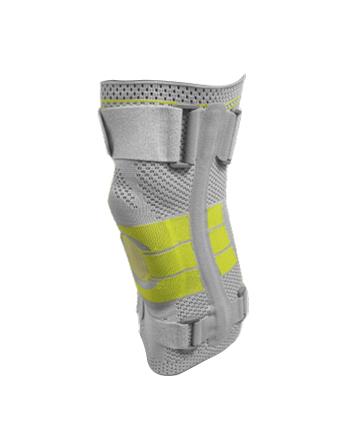
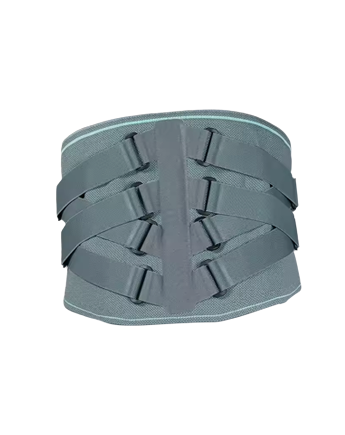
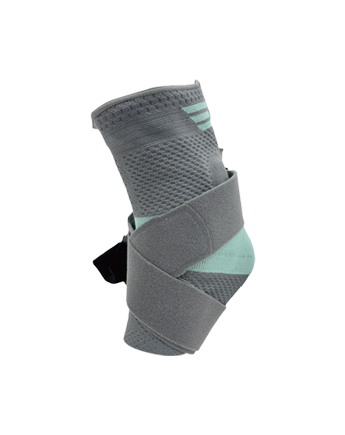
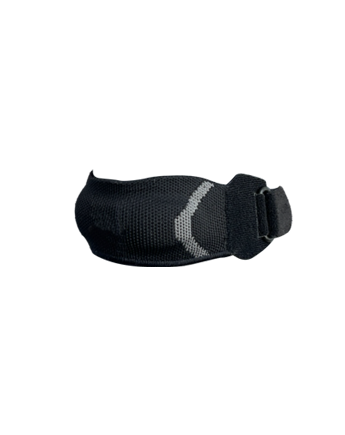
Core stability is a major focus for anyone lifting weights or doing heavy physical work. During these movements, the spine takes on a lot of pressure. Using a Waist Support Belt for Exercise helps by wrapping tightly around the midsection, creating a wall of resistance that the abdominal muscles can push against. This action increases pressure inside the belly, which naturally stabilizes the spine from the inside out. Keeping a straight posture and moving with strict control is what keeps injuries away.
A common mistake is thinking a belt makes someone invincible. It does not. The gear is just an extra tool, not a replacement for solid lifting form, reasonable training weights, or advice from a professional coach. Real safety comes from building actual muscle strength and using proper movement patterns first. Relying too much on external gear without training the core muscles to do their job can cause to weakness over time. Therefore, the belt should be treated as a helpful partner rather than a permanent crutch.
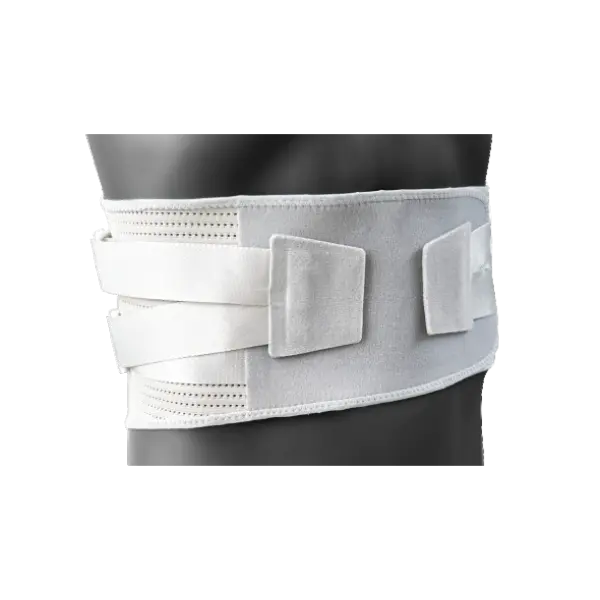
Not all gym gear is made the same way, and picking the wrong type can actually get in the way of a good workout. The size, the thickness of the material, how wide it is, and how easily it adjusts all play huge roles in how well the gear works. For lighter, high-movement workouts, a flexible option like an Elastic Waist Support Belt is a practical choice because it allows the body to bend and twist without feeling restricted.
On the flip side, heavy powerlifting requires a much stiffer, thicker material that stays rigid under massive loads. Finding a secure fit that fastens tightly gives lifters the confidence to move through their routines without worrying about sudden slips or shifts. When the gear fits right, it feels like a natural extension of the body. It should support the muscles without pinching the skin or bruising the hip bones during deep movements.
Getting the belt in the right spot is half the battle. It needs to sit low enough to cover the lower back and wrap across the belly button area, depending on how the manufacturer designed it. When tightening the strap, it should feel snug and firm but definitely not so tight that taking a deep breath becomes difficult.
A good test is to put the belt on, stand up straight, bend over to touch the knees, and mimic the starting position of the lift. If the material digs painfully into the ribs or hips, it is either too tight or sitting in the wrong spot. Never crank the belt down to the absolute limit just to force a heavy lift that the body cannot handle with normal form. The goal is to create a firm wall for the abs to push against, not to squeeze the waist as small as possible.
Different movements require different levels of core stiffness. During heavy squats or deadlifts, a solid Waist Support Belt for Exercise provides the necessary bracing surface, helping the lifter keep their torso upright and stable under a heavy barbell. The key is to breathe deep into the belly and push outward against the belt before starting the lift.
For general resistance training on machines or with dumbbells, a lighter, more versatile option like an Elastic Waist Support Belt can offer just enough warmth and light pressure to keep the lower back feeling supported during overhead presses or rows. However, for exercises that involve a lot of running, jumping, or rapid twisting, keeping the midsection completely free or using only very light, flexible wraps is usually the smarter choice to avoid restricting natural athletic movement.
|
Gear Type |
Main Material |
Best Use Case |
Primary Benefit |
|---|---|---|---|
|
Flexible Wrap |
Soft Synthetic |
Cardio and Agility |
High Mobility |
|
Medium Support |
Neoprene Blend |
General Gym Workouts |
Balanced Comfort |
|
Rigid Belt |
Heavy Webbing |
Heavy Powerlifting |
Maximum Bracing |
It is easy to get lazy with form when wearing protective gear. One massive mistake is pulling the belt so tight that it cuts off circulation or stops normal breathing patterns. Another error is wearing the belt too high up on the ribcage or letting it slide down too low onto the hips, which completely misses the lower back area that actually needs the support.
Many people also fall into the trap of adding extra plates to the bar as soon as they start using a belt, assuming the gear magically makes their muscles stronger. It does not. Lastly, wearing the belt during the entire hour at the gym—including during the warm-up, stretching, and resting on the bench—is a bad habit that can make the core muscles lazy over time.
No piece of equipment can save a lifter who skips the basics of safe training. Every single workout should start with a proper warm-up to get blood flowing to the muscles and joints. When lifting, weights should go up slowly over weeks and months, not in huge, sudden jumps. Every repetition needs to be smooth and controlled, avoiding any sudden jerking or twisting movements that put uneven stress on the spine.
Proper breathing is a huge deal here. If anyone holds their breath for too long during a tough lift, they can easily get dizzy or even pass out, which makes learning the right way to breathe and brace super important. Also, if a sharp pinch, sudden pain, or weird numbness kicks in, the workout needs to stop right then and there. Trying to push through back pain by just pulling a belt tighter is a recipe for disaster; persistent issues always need a real check-up from a doctor.
When trying to find a decent support belt, a few basic features really make or break the experience. First off, it needs to be easy to adjust. Nobody wants to struggle with their gear, so being able to quickly loosen the belt to catch a breath between sets and then crank it back down right before lifting is a must-have. The material has to breathe, too. Otherwise, sweat builds up fast, causing itchy skin rashes and making the whole belt slide around right when stability is needed most.
On top of that, the fastening system has to be tough as nails. Whether it uses heavy-duty velcro or a solid steel buckle, it cannot budge under pressure, because a belt popping open in the middle of a heavy squat is incredibly dangerous. Finally, the overall build needs to strike a good balance—tough enough to hold up under pressure, but flexible enough to let the body move naturally, ensuring the gear survives months of sweaty, intense workouts without ripping apart at the seams.
Leaving a sweaty, chalk-covered belt to rot inside a dark gym bag is an easy way to ruin good gear fast. To keep it clean and working like new, it needs a regular wash based on the care label. For many fabric belts, a quick hand wash in a bucket of warm, soapy water does the trick. After washing, just hang it up to air dry in a cool, shady spot—keeping it far away from direct sunlight or high-heat dryers that can warp the materials.
Using supportive gear the right way is a fantastic way to build confidence and add an extra layer of safety to a fitness routine. When combined with smart lifting techniques, gradual weight progression, and a strong focus on natural core strength, a high-quality belt becomes an invaluable training partner.
For those looking for dependable, well-crafted gear designed to stand up to regular physical training, Zhejiang Steriger Sports Medicine Technology Co., Ltd. offers a comprehensive range of sports support and orthopedic products. Choosing equipment that fits well and matches the specific demands of the workout is one of the smartest steps anyone can take toward a safer, more effective fitness journey.
Steriger is a national high-tech enterprise specializing in the R&D and production of high-quality sports supports, medical braces, and sports compression socks.
Copyright © Zhejiang Steriger Sports Medicine Technology Co., Ltd.
The information provided on this website is intended for use only in countries and jurisdictions outside of the People's Republic of China.

Approval No: 浙金药监械生产备20200039号

 English
 Español
 Deutsch
 عربى
 Français