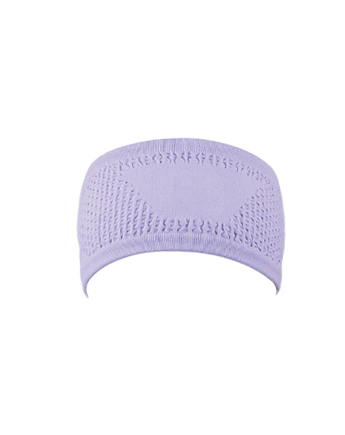
Sweat runs into your eyes during a workout because the headband can no longer keep up. That familiar moment of squeezing out a soaked piece of fabric mid-exercise or removing a heavy, damp headband after training is what encourages many athletes to choose a Quick Dry Headband instead of reaching for a cotton one from the drawer. Anyone who has experienced that discomfort understands why this comparison matters more than it may seem at a glance. Figuring out what actually separates these two materials, rather than assuming any headband handles sweat about the same, helps athletes and buyers land on something that genuinely holds up during real activity instead of just looking decent on a shelf.
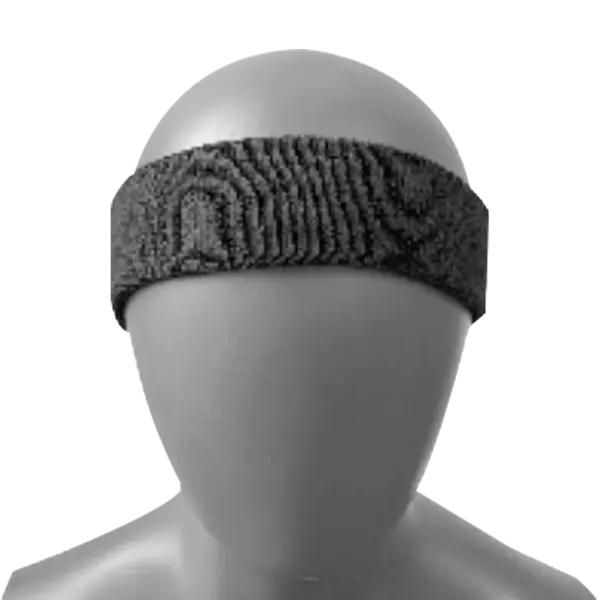
A Quick Dry Headband is typically made from synthetic fibers, often polyester or moisture-wicking fabric blends designed to move sweat away from the skin and promote faster evaporation. Cotton, on the other hand, soaks up moisture readily enough but holds onto it a lot longer, since cotton's fiber structure just absorbs liquid without the same evaporative trick built into synthetic alternatives.
That fundamental construction gap explains basically every performance difference between the two. Cotton feels soft, familiar, comfortable in a nostalgic sort of way. But that familiarity comes with a moisture management tradeoff that becomes obvious pretty fast once real sweat production kicks in during actual exertion.
Synthetic fibers in a Quick Dry Headband typically channel moisture along the fiber's surface, pushing it toward the fabric's exterior where it can evaporate into the air more easily. Cotton fibers work the opposite way, pulling moisture into their core and just holding it there rather than shoving it outward for faster drying.
That structural difference is really the entire story behind why one material stays comfortable through a longer workout while the other slowly turns heavier and more saturated as sweat piles up with nowhere efficient to go.
Absorption and drying speed get lumped together a lot, but they're actually two separate performance factors worth pulling apart when comparing these materials head to head.
Both, actually, just for slightly different reasons. During the workout itself, faster moisture movement away from skin helps keep things comfortable and prevents that heavy, waterlogged feeling that builds as cotton hits its absorption ceiling. After the workout, faster drying matters more for hygiene and practicality, since a headband that dries quickly gets reused sooner and doesn't sit around developing odor from prolonged dampness.
Athletes training frequently, sometimes multiple sessions in a single day, notice this faster drying benefit the most, since waiting around for a Cotton Headband to fully dry between sessions just isn't always realistic.
| Performance Factor | Quick Dry Headband | Cotton Headband |
|---|---|---|
| Initial sweat absorption | Strong, moves moisture to surface | Strong, absorbs into fiber core |
| Drying speed | Fast, suited to repeated daily use | Slower, retains moisture longer |
| Breathability during activity | Generally strong airflow through synthetic weave | Moderate, dense fiber can trap heat |
| Comfort under prolonged exertion | Stays lighter as sweat accumulates | Becomes heavier and damper over time |
| Maintenance and odor resistance | Easier to wash and dry between uses | Requires more frequent washing to manage odor |
Different training styles put different demands on a headband, and understanding those differences helps match the right material to actual activity intensity and duration.
Sometimes, yes. Cotton's softness and lower price make it a reasonable pick for lighter activity or shorter sessions where sweat never really builds up much. Casual walks, light stretching, low-intensity fitness routines, none of these push moisture management anywhere near its limits the way sustained running or hard cycling does.
For those lighter use cases, cotton's comfort and familiar feel might genuinely outweigh whatever moisture management edge quick dry materials offer during tougher activity. Matching material to actual intensity, rather than assuming quick dry just wins everywhere, leads to more sensible recommendations across different customer needs.
Beyond raw moisture management, comfort during a longer workout also depends on how a headband's weight shifts as sweat builds up throughout the session.
A headband that keeps getting heavier and damper throughout a workout creates a distracting physical sensation that chips away at focus and comfort, especially during activities running an hour or beyond. Athletes on longer training sessions, distance runners, long cycling routes, tend to notice this weight buildup a lot more sharply than someone finishing up a quick, low-intensity session.
That progressive discomfort partly explains why quick dry materials dominate headbands marketed toward endurance activities specifically, where holding steady comfort across a longer stretch of time matters a lot more than it does for something shorter and less demanding.
Beyond immediate performance, buyers and brands thinking about bulk orders or product line decisions should weigh longer-term durability and maintenance between these two material types.
For brands and retailers making product line decisions, maintenance is an important factor beyond the initial performance comparison. Customer satisfaction is influenced by how well a product performs through repeated use, not only by its initial feel or function. A headband that needs frequent replacing because of wear or lingering odor creates a worse customer experience than one that keeps performing across extended use.
Brands sourcing headband sweat absorbing products for workout headbands for sweat markets should weigh this durability angle right alongside initial performance comparisons, since long-term customer satisfaction often rests as much on easy maintenance as on moisture-wicking capability itself.
Different customer groups care about different things, and understanding those varied priorities helps brands and retailers make sourcing decisions that actually land with their audience.
Rather than assuming one universal product suits every customer group, brands benefit from identifying which performance features matter to their target audience before making sourcing decisions. A brand focused on endurance athletes should prioritize quick dry performance and durability, while a brand targeting casual fitness or lifestyle shoppers might reasonably weigh cost differently against performance.
This kind of segmentation matters a lot for buyers considering custom sweat headbands production, since understanding the target customer's actual activity intensity and expectations steers material selection toward something that'll genuinely satisfy that specific group instead of defaulting to generic specs.
Buyers and brands evaluating headband sourcing benefit from working through a structured comparison rather than choosing purely on cost or whatever's trending in the market.
Working through this evaluation helps brands and retailers land on sourcing decisions that genuinely match customer needs rather than assuming one material fits every use case across an entire product line.
Sourcing from a headband manufacturer capable of producing both quick dry and cotton options gives brands the flexibility to serve different customer segments without getting locked into one material category across their whole lineup. That flexibility matters especially for brands serving a mix of casual fitness users and dedicated endurance athletes with genuinely different expectations.
Buyers evaluating potential headband suppliers should ask about:
Choosing between Quick Dry Headbands and cotton alternatives really comes down to honestly matching material properties to actual activity intensity, duration, and customer expectations, rather than assuming either option just wins across every situation. Quick dry materials generally serve high-intensity, extended activity needs better through stronger moisture management and durability, while cotton keeps a reasonable place for lighter, shorter activities where cost and familiar comfort matter more than advanced moisture-wicking. Zhejiang Steriger Sports Medicine Technology Co., Ltd. works with brands and buyers sorting through exactly this kind of material evaluation, helping match headband specifications to the actual performance and customer needs each product line genuinely requires. Share your product specifications or target customer details, and the discussion about suitable headband materials can begin from there.
Steriger is a national high-tech enterprise specializing in the R&D and production of high-quality sports supports, medical braces, and sports compression socks.
Copyright © Zhejiang Steriger Sports Medicine Technology Co., Ltd.
The information provided on this website is intended for use only in countries and jurisdictions outside of the People's Republic of China.

Approval No: 浙金药监械生产备20200039号

 English
 Español
 Deutsch
 عربى
عربى Français