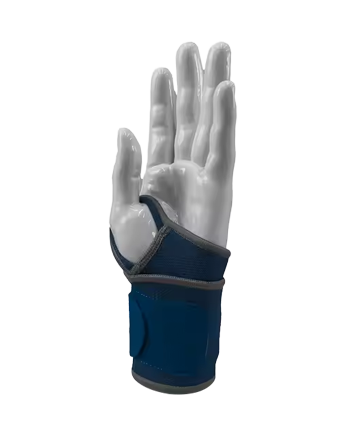
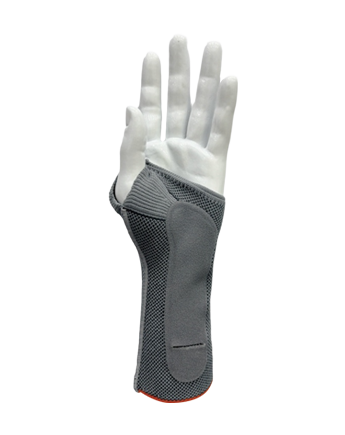
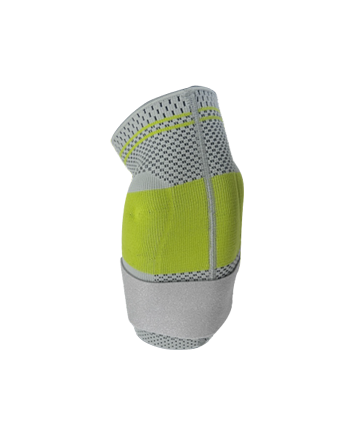
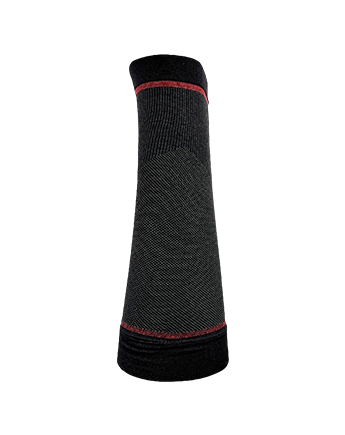
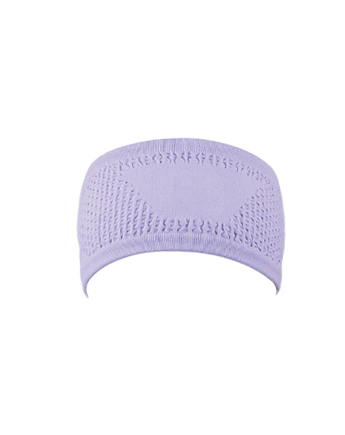
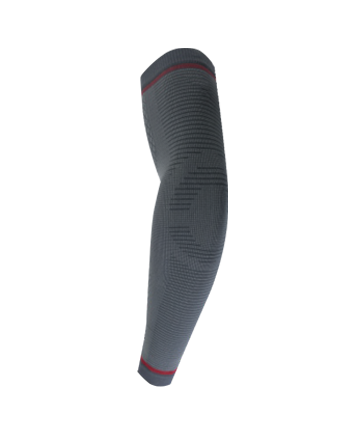
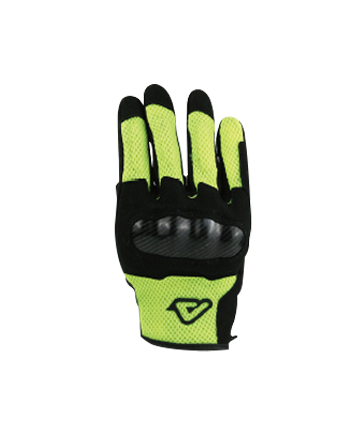
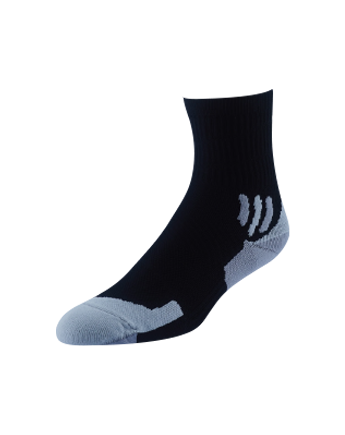
Sweat stinging your eyes three miles into a trail run. Hair whipping across your face on a windy ridge line right when you need to watch your footing. If either of these has derailed a run you were otherwise enjoying, you already know why choosing the right Outdoor Sports Headband matters more than it seems like it should for such a small piece of gear. Running and trail work both throw a lot at your body over an extended stretch, and small annoyances that wouldn't matter for a quick walk around the block start compounding mile after mile. That's really where headband choice stops being a minor accessory decision and starts affecting whether a run actually feels good or turns into forty minutes of fighting your own equipment.
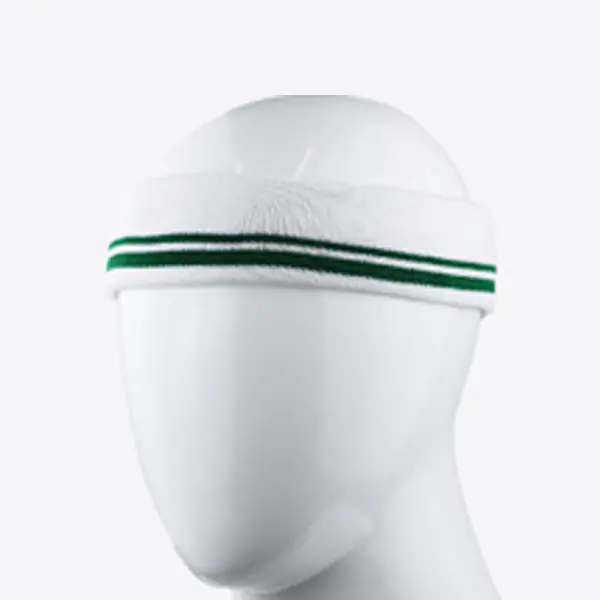
Road running and trail adventures both involve sustained effort over time, meaning whatever discomfort a headband causes doesn't stay small, it builds. A slightly damp band at minute five becomes a genuinely distracting, dripping mess by minute forty. Loose hair that's a minor annoyance walking to the mailbox becomes a real hazard when you're picking your way across uneven trail terrain and need full attention on where your feet land.
Trail running in particular adds variables road running doesn't deal with as much, changing elevation, unpredictable weather, longer stretches between any real break. An Outdoor Sports Headband built to handle these conditions well genuinely changes how sustainable a long run or hike feels, rather than being some minor comfort upgrade.
A handful of core qualities separate a headband that holds up through serious mileage from one that just looks the part sitting on a shelf.
This is often an important consideration for anyone running or hiking over extended periods. A band that absorbs sweat without staying saturated keeps moisture away from your eyes and off your face, which matters enormously once you're past the point where a quick wipe with your sleeve solves the problem.
Absorption only helps if the material also releases that moisture back into the air reasonably fast. Otherwise you're just carrying a heavier, soggier band as the run continues, which defeats a good chunk of the purpose.
Anything extra you're carrying, even something as small as a headband, adds up across a long distance. Lighter designs reduce that cumulative fatigue, particularly noticeable on longer trail outings where every small bit of unnecessary weight seems to matter more by the final few miles.
Trapped heat against your forehead becomes uncomfortable fast, especially under direct sun on an exposed trail section. Breathable fabric construction helps regulate temperature rather than turning the headband into an insulating layer working against you.
A band that's too loose slips constantly, demanding readjustment mid-stride. Too tight, and it becomes its own distraction through tension headaches or pressure discomfort. Good stretch and fit means it just disappears, which honestly should be the goal for any piece of gear like this.
Somewhat, yes, though there's plenty of overlap too. Road running usually involves a steadier pace and more consistent terrain, making moisture management and lightweight construction important considerations. A lightweight running headband suited to road use generally prioritizes minimal bulk and steady moisture absorption over ruggedness, since road surfaces don't demand the same durability trail conditions do.
Trail running adds durability considerations road running rarely faces, brush contact, sweat combined with dust or dirt, sometimes rain or humidity swings mid-run. A headband built for trail use benefits from slightly tougher construction alongside the same core moisture and breathability demands road runners care about.
| Activity | Primary Demand | Feature to Prioritize |
|---|---|---|
| Road running | Steady moisture output over consistent pace | Lightweight running headband with reliable absorption |
| Trail running | Variable terrain, exposure to elements | Durable construction paired with quick dry headband performance |
| Hiking | Extended duration, temperature swings | Breathable fabric suited to changing conditions across a longer outing |
| Cycling | Wind exposure, sustained effort | Secure fit resisting slippage during repetitive motion |
| Gym or indoor training | High sweat volume in shorter bursts | Strong absorption capacity, headband sweat absorbing design |
Reviewing these factors before buying can help clarify what matters for your specific activity instead of choosing whichever headband receives more promotion at the time.
For anyone running or hiking longer than a quick, casual outing, yes, considerably. Cotton absorbs reasonably well initially but saturates quickly and then just sits there, heavy and damp, offering little further benefit once it's soaked through. A quick dry headband built from synthetic fiber blends continues managing moisture throughout a longer session, releasing absorbed sweat back into the air rather than holding onto it indefinitely.
This becomes more important during longer activities, when cotton's initial comfort gradually fades and quick-drying synthetic fabrics become a more practical choice.
Thinner designs are generally suitable for lower-intensity activities or situations where a lower-profile fit matters more than greater moisture absorption. Wider bands generally offer more surface area for moisture absorption and better hair containment, which benefits anyone dealing with heavier sweat output or longer hair needing more secure control during movement.
Neither option is universally correct, it really depends on personal preference alongside the specific demands of whatever activity you're heading out for.
Functionally, the underlying fabric performance and moisture management principles stay largely consistent regardless of gender. Sweat headbands mens designs sometimes run slightly wider or simpler in styling, while a gym headband female option might account for different hair volume or head shape considerations.
What actually matters, though, regardless of category, comes down to the same core questions: does it absorb effectively, dry quickly enough for your typical session length, and stay put without constant readjustment. Styling differences matter for personal preference, but they don't change the underlying performance question.
For running clubs, outdoor gear brands, or fitness organizations looking beyond individual purchases, custom sweat headbands offer a way to combine branding with functional performance for members, athletes, or promotional distribution.
A few practical questions worth working through before committing to a custom order:
Answering these questions honestly before making a choice often results in a product that continues to be used instead of being set aside after the initial wash.
Businesses moving from retail purchasing toward bulk sourcing benefit considerably from working directly with an experienced headband manufacturer or headband supplier, since this route opens up options retail shelves simply don't offer, fabric selection, sizing adjustments, and branding customization among them. A capable headband factory or headband producer can typically walk through fabric samples, moisture performance data, and realistic production timelines before any order commitment gets made.
This matters particularly for outdoor gear brands, running clubs, or sporting goods importers thinking about member distribution, event giveaways, or retail product lines, where consistency across an entire batch and dependable sweat-absorbing performance need to hold up across every single unit, not just whatever sample arrived first.
Choosing the right Outdoor Sports Headband depends on matching fabric performance, fit, and durability to your running or hiking conditions instead of selecting whichever option is more noticeable on the store shelf. Road running, trail adventures, hiking, and cycling all place slightly different demands on the same basic piece of gear, and understanding those differences, moisture management, quick-dry capability, weight, breathability, fit, makes selecting the right option considerably more straightforward than comparing products purely on price or appearance. Whether you're outfitting yourself for a personal training routine or sourcing headbands in bulk for a team, club, or retail line, matching the product to actual use conditions tends to produce far better results than guessing. Zhejiang Steriger Sports Medicine Technology Co., Ltd. works with outdoor gear brands, running clubs, and sporting goods buyers exploring custom or bulk headband options, and welcomes inquiries about fabric performance, sizing, and production details for specific projects.
Steriger is a national high-tech enterprise specializing in the R&D and production of high-quality sports supports, medical braces, and sports compression socks.
Copyright © Zhejiang Steriger Sports Medicine Technology Co., Ltd.
The information provided on this website is intended for use only in countries and jurisdictions outside of the People's Republic of China.

Approval No: 浙金药监械生产备20200039号

 English
 Español
 Deutsch
 عربى
عربى Français