Across workplaces, homes, and fitness routines, people keep pushing through pain, stiffness, and instability because the problem does not always look serious from the outside. Yet those small daily frustrations can add up. Standing too long feels harder. Stairs take more effort. A walk that used to feel normal starts to feel off. These changes may seem minor at first, but they often point to a joint that is asking for support.
Pain is not always sharp, and it is not always constant. Sometimes it shows up only during certain movements. Sometimes it fades after rest and returns later in the day. That inconsistency is one reason people ignore it. They assume it will pass.
Common patterns people notice
These signs do not automatically point to one clear cause, but they do suggest that the joint may not be handling pressure as smoothly as it should.
The body usually gives clues before discomfort becomes difficult to ignore. The issue is that the clues are easy to explain away. Someone may blame a long workday, a bad night of sleep, or a small change in exercise. That can be true, but when the pattern keeps repeating, it deserves a closer look.
Everyday tasks that may reveal the problem
When these tasks begin to trigger pain or hesitation, the joint may need more than rest. It may need support while the underlying issue is being addressed.
Not every warning sign feels painful. Some people describe the joint as loose, shaky, or unreliable. Others say it feels like it might give out without much warning. That kind of feeling can be unsettling, especially when it appears during normal movement.
What instability can look like
This is often the kind of problem that makes people change how they move. They may not realize it at first, but they begin shifting weight, shortening steps, or avoiding certain motions. Over time, those changes can create more strain in other parts of the body.
After an injury, it is common for the worst discomfort to improve before strength and control fully return. That gap can be frustrating. A person may feel ready to resume normal life, only to find that the joint still feels stiff, weak, or unreliable.
Signs recovery may still be incomplete
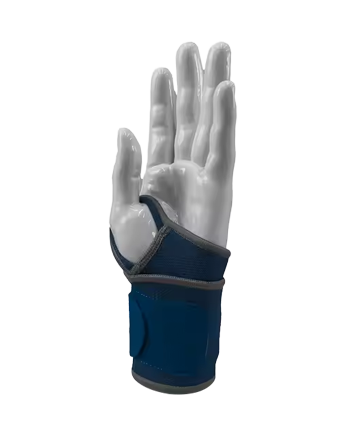
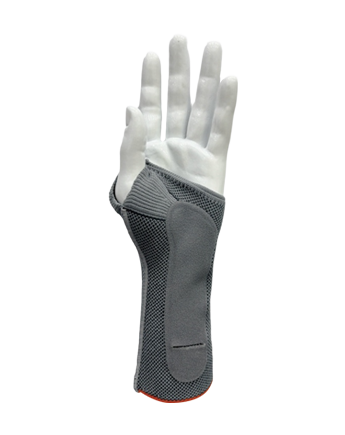
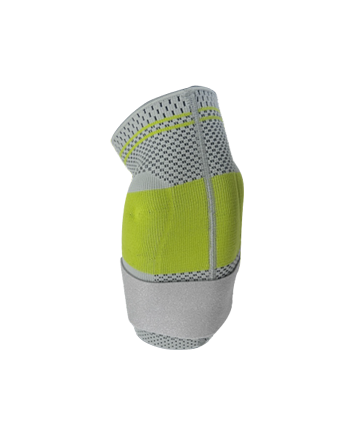
This is one reason support can remain useful after the main injury phase has passed. A brace may help reduce stress while the body keeps rebuilding confidence and control.
Support does not replace recovery, and it does not solve every problem. What it can do is make daily movement feel more manageable. For someone dealing with discomfort or instability, that can matter a lot. Less hesitation often means better mobility. Better mobility often means more consistent activity. That consistency can help people stay engaged with work, family, and exercise.
In practical terms, support may help with
That does not mean every person needs the same approach. It simply means that support is worth discussing when symptoms begin to interfere with normal life.
| Symptom | What it may feel like | Why it matters |
|---|---|---|
| Pain during routine movement | Soreness, pressure, or aching while walking or climbing stairs | The joint may be under stress |
| Feeling of instability | Wobbliness, looseness, or the sense that the joint could give out | Movement confidence may be reduced |
| Stiffness after rest | Tightness after sitting, sleeping, or staying still too long | Mobility may not be fully restored |
| Weakness after injury | Difficulty trusting the joint during normal activity | The area may still be rebuilding strength |
| Relief with support | Less discomfort when the area is stabilized | Added support may improve comfort |
Many people wait because the symptoms are not severe enough to feel urgent. Others are used to pushing through discomfort and do not want to make a fuss. Some simply assume the issue is part of getting older or staying active.
Common reasons people put it off
The problem with waiting is that small issues can change the way a person moves. A slight limp, a hesitation before stairs, or a tendency to avoid certain actions can quietly good to more strain elsewhere.
A professional evaluation can help sort out whether the discomfort is coming from overuse, recovery from injury, weak support muscles, or another movement issue. It can also help show whether a brace may be useful, or whether another approach makes more sense.
During a checkup, attention may go to
That kind of review can give people a clearer sense of what is actually going on instead of guessing from symptoms alone.
A brace is often good helpful when symptoms are getting in the way of normal life but not yet severe enough to stop all movement. It can be part of a simple, practical plan for getting through the day with less strain.
Situations where support may be useful
For many people, the goal is not to avoid activity. It is to stay active in a way that feels steadier and more manageable.
The body usually gives clues early. Pain that keeps returning, stiffness that does not ease up, or a joint that feels unreliable are all signs worth noticing. These symptoms may not seem dramatic, but they can affect daily life in meaningful ways.
A simple way to respond
Small signs often matter more than people think. Acting on them early can make it easier to stay comfortable and keep moving.
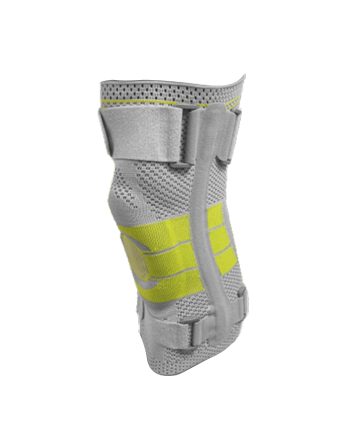
Support is not only for major injuries. In many cases, it becomes relevant when daily tasks start feeling heavier, slower, or less secure than they used to. When that happens, a Knee Brace may be part of a sensible plan for comfort and stability. For readers looking into related support options, more details are available at steriger.
Steriger is a national high-tech enterprise specializing in the R&D and production of high-quality sports supports, medical braces, and sports compression socks.
Copyright © Zhejiang Steriger Sports Medicine Technology Co., Ltd.
The information provided on this website is intended for use only in countries and jurisdictions outside of the People's Republic of China.

Approval No: 浙金药监械生产备20200039号

 English
 Español
 Deutsch
 عربى
عربى Français