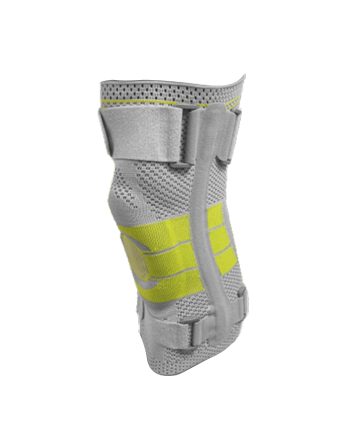
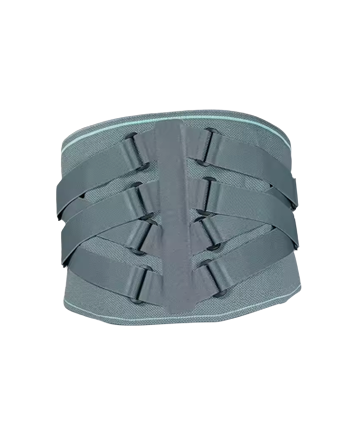
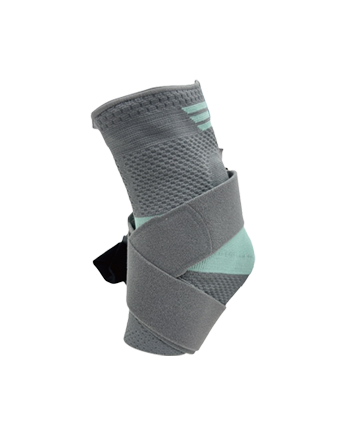
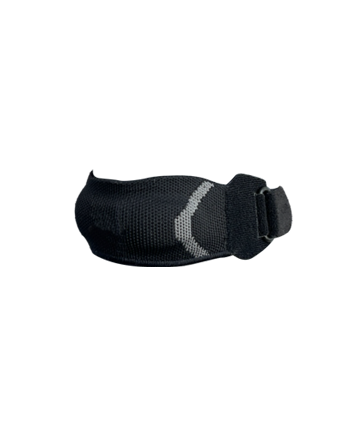
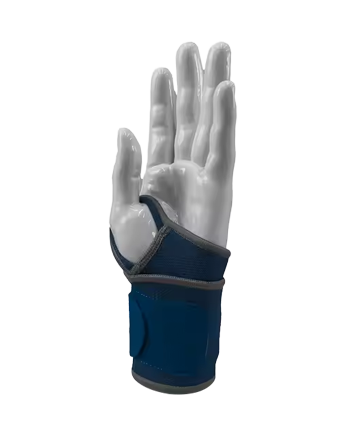
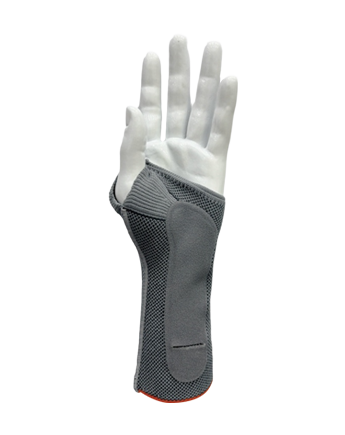
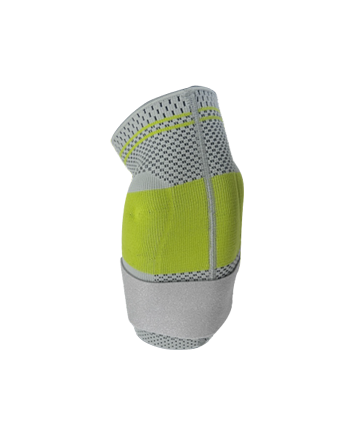
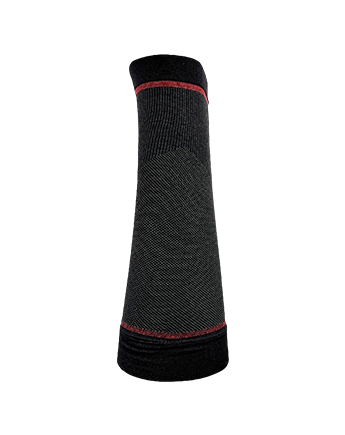
Hand pain that comes and goes depending on what you are doing is one of the more disorienting recovery experiences — some tasks feel fine, others trigger discomfort immediately, and it is rarely obvious whether wearing support or pushing through without it is the right call. A Palm Brace sits in a category of tools that genuinely helps when used at the right moments, but creates its own set of problems when worn constantly or applied to the wrong situations. Understanding the difference between when something aids your recovery and when it gets in the way is a practical question users often find themselves navigating without clear direction.
A palm brace is designed to reduce strain on the structures of the hand and wrist by limiting certain movements while allowing others to continue. It is not a cast. The goal is to reduce mechanical load on irritated tissues during activities that would otherwise aggravate them — not to lock the hand in place indefinitely.
Key functions it performs when used correctly:
The support it provides is relevant across a range of hand and wrist conditions, including repetitive strain injuries from keyboard and mouse use, mild sprains during the active recovery phase, overuse injuries from manual labor or sport, and carpal tunnel symptoms where wrist position during activity is a contributing factor.
In all of these situations, the brace is useful during specific activities — not as a continuous daily intervention.
The core principle for daytime use is activity-based: wear it when the activity places mechanical demand on the structures you are protecting, and remove it when it does not.
Activities that typically warrant wearing support:
If specific movements consistently produce discomfort, wearing the brace during those movements reduces load on the aggravated structures and allows activity to continue without repeatedly stressing the injury. This is a more targeted approach than wearing it all day.
Pay attention to which specific actions trigger symptoms and use the brace selectively during those rather than treating all waking hours as equivalent.
When the hand is not in use — sitting, reading, watching something, resting after work — there is no mechanical load being applied to the injury, and therefore no functional reason to maintain support. Removing the brace during rest periods allows normal circulation, skin recovery from compression, and some degree of passive movement that contributes to tissue health.
Wearing it during rest out of habit or anxiety about re-injury does not accelerate recovery and may contribute to the dependency patterns described below.
If a physiotherapist or healthcare provider has prescribed exercises to restore range of motion or rebuild hand and wrist strength, those exercises are specifically designed to be performed without external support. The brace stabilizes the structures that the exercises are meant to train. Wearing it during exercise defeats the purpose and slows functional recovery.
This is one of the clearer situations where wearing the brace is actively counterproductive.
Tasks involving fine motor control, balance, or full range of motion — writing by hand, certain cooking tasks, activities requiring sensory feedback from the fingers and palm — are often better performed without the brace, particularly as recovery progresses. The constraint it introduces can interfere with movement quality and create compensatory patterns in adjacent structures.
The muscles and connective tissue of the hand and wrist maintain tone and strength through regular load. When external support consistently substitutes for that load, the intrinsic stabilizing structures reduce their activity level over time. This is not a theoretical concern — it is a well-documented response of musculoskeletal tissue to reduced demand.
The practical result is that prolonged constant wear can leave the hand less capable of managing load independently than it was before, extending the recovery timeline rather than shortening it.
Wearing a brace continuously can shift the user's perception of their hand's stability in ways that make it progressively harder to go without it — even when the underlying injury has resolved. This creates a functional dependency where the sensation of wearing the brace becomes associated with safety, and the absence of it feels uncomfortable regardless of the actual structural state of the hand.
Recognizing this pattern early and deliberately practicing periods of unsupported activity — during appropriate tasks and rest periods — prevents it from developing.
Part of what recovering from a hand or wrist injury involves is rebuilding the nervous system's awareness of hand position and load. Constant use of external support can limit the sensory feedback that drives this process. Selective use — wearing the brace during high-load activities while allowing normal sensory input during lighter tasks — preserves this aspect of recovery.
Night use of a palm brace addresses a different problem than daytime use. During sleep, the wrist can drift into positions — particularly sustained flexion — that compress the carpal tunnel or stretch inflamed structures repeatedly over hours without the user's awareness. A brace worn at night keeps the wrist in a neutral position passively, without restricting any functional movement because no functional movement is occurring.
This is one of the clearer cases where wearing the brace continuously during a defined period makes clinical sense, and it does not carry the same risks as continuous daytime wear because the muscles are not being asked to perform work that the brace is substituting for.
During waking hours, the calculus changes. The hand is in use, muscles are active, and the goal is to support rather than substitute. Wearing the brace only during the specific activities that load the injured area — and removing it for rest, exercise, and lighter tasks — produces better recovery outcomes than treating daytime and nighttime use as equivalent.
The appropriate approach varies by activity type. The table below outlines common daily situations and how to think about brace use in each:
| Activity | Recommended Approach | Rationale |
|---|---|---|
| Extended keyboard or mouse work | Wear during work sessions | Repetitive wrist loading benefits from stabilization |
| Brief typing or light phone use | Optional; assess symptom response | Short duration reduces cumulative load |
| Lifting and carrying objects | Wear when load is moderate or heavy | Grip and wrist stability under load |
| Driving long distances | Wear for sustained positions | Continuous mild wrist load over duration |
| Rehabilitation exercises | Remove | Exercises target structures the brace protects |
| Resting or sitting without hand use | Remove | No mechanical demand; allows tissue recovery |
| Cooking or household tasks | Situational; wear for repetitive tasks | Depends on duration and movement type |
| Light social activities | Remove if symptoms allow | Allows normal movement and sensory feedback |
| Sleeping | Wear if wrist position is a factor | Prevents sustained night flexion |
| Sport or physical activity | Situational; consult provider | Depends on activity type and recovery stage |
In the acute phase of a strain or injury, the priority is reducing load on damaged structures to allow initial healing. More consistent use during waking hours — particularly during any activity that loads the hand — is appropriate here. This is when the brace provides its clearest protective value.
Even at this stage, removing it during genuine rest periods is advisable.
As the initial inflammation reduces and tissue healing progresses, the goal shifts from protection to progressive reloading. The brace should be used for higher-demand tasks but deliberately removed for lighter activities and rest. This is when rehabilitation exercises typically begin, and the brace should consistently come off for those.
Signs that this transition is appropriate: pain during rest has reduced, and the hand tolerates lighter daily tasks without significant discomfort.
In the final phase of recovery, the hand and wrist should be progressively taking on load without external support. The brace may still be useful for particularly demanding tasks — heavy lifting, extended typing sessions during workload peaks — but general daily use should have reduced substantially.
Continuing to wear it for low-demand activities at this stage delays the final reintegration of the hand's natural stabilizing capacity.
Several patterns suggest the brace is being worn more than the recovery situation warrants:
Any of these patterns is worth discussing with a healthcare provider, as they suggest the wearing strategy may need to be adjusted.
Rather than trying to memorize specific rules, a straightforward decision approach covers many situations:
The principle is that the brace should follow your activity, not dictate your day.
During activities that place repetitive or sustained load on the hand and wrist — typing, lifting, driving, repetitive manual tasks. Remove it during rest, light activities, and rehabilitation exercises.
Continuous all-day wear is generally not recommended because it reduces muscle activation and proprioceptive development over time. Activity-based use produces better recovery outcomes for many conditions.
Prolonged constant wear can reduce the activation of the hand's natural stabilizing muscles over time, since the external support substitutes for their function. This is one reason selective use is preferable to constant wear.
For extended typing sessions that are associated with wrist or palm discomfort, yes. For brief interactions with a keyboard, the benefit is less clear and depends on your specific symptoms and recovery stage.
For conditions where wrist position during sleep is a contributing factor — carpal tunnel, for example — nighttime use specifically addresses that problem. For other conditions, nighttime use should be based on provider guidance.
During rest periods, meals, light activities that do not load the hand, rehabilitation exercises, and any activity where full range of motion or sensory feedback is needed.
Wearing support during activities with known high strain — heavy manual work, extended typing — can reduce cumulative load on the structures involved. Preventive use should still be activity-based rather than continuous.
Firm enough to provide support and limit excessive movement, but not so tight as to restrict circulation, cause numbness, or produce discomfort after short periods. Adjustable designs allow tuning fit to the task.
For general exercise that does not load the hand, it is not necessary. For rehabilitation exercises specifically targeting the hand and wrist, it should be removed. For gym activities that involve grip or wrist load, discuss with your provider based on your specific recovery stage.
If the hand feels unstable when the brace is off even during light activity, if you are wearing it during clear rest periods out of habit, or if you notice progressive weakness when the brace is removed, these are signals to review the wearing pattern with a healthcare provider.
Generally, no. The uninjured hand benefits from normal use without restriction. If the uninjured hand is compensating heavily for the injured one and developing strain as a result, that is worth discussing with a provider separately.
No. Rehabilitation exercises rebuild the strength, mobility, and neuromuscular control that a brace cannot provide. The two approaches serve different functions and work together rather than substituting for each other.
Recovery from hand and wrist strain is rarely a straight line, and the role of external support changes as the underlying tissue heals. Using a brace strategically — during the activities that need it, removed when they do not — is what allows it to contribute positively to recovery rather than extending dependence on an external aid. The goal is always to get back to full, confident hand function without the brace, and the way to reach that point is through progressive reduction of its use as strength and comfort return. Zhejiang Steriger Sports Medicine Technology Co., Ltd. produces Palm Brace products designed for activity-based support during recovery and strain management, working with users and procurement teams on fit, function, and application-specific requirements. If you are evaluating support products for rehabilitation or workplace injury management, reaching out to their team is a practical starting point.
Steriger is a national high-tech enterprise specializing in the R&D and production of high-quality sports supports, medical braces, and sports compression socks.
Copyright © Zhejiang Steriger Sports Medicine Technology Co., Ltd.
The information provided on this website is intended for use only in countries and jurisdictions outside of the People's Republic of China.

Approval No: 浙金药监械生产备20200039号

 English
 Español
 Deutsch
 عربى
عربى Français