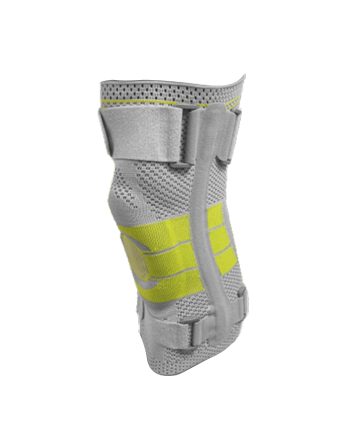
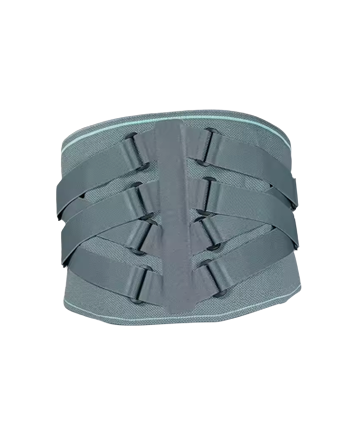
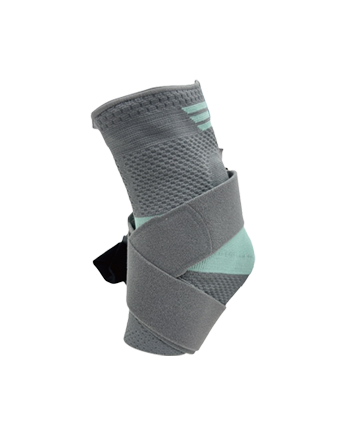
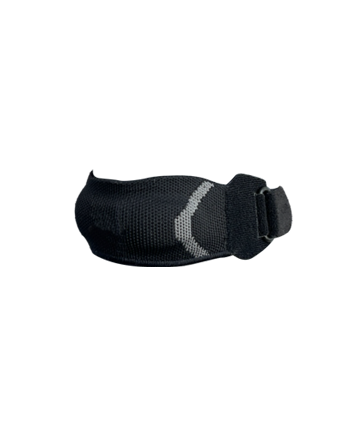
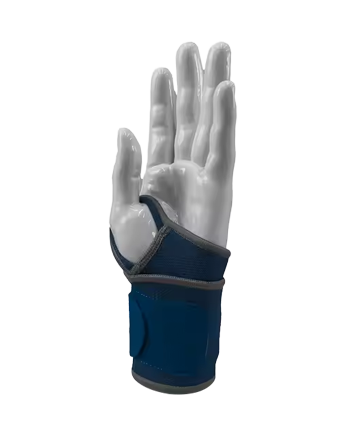
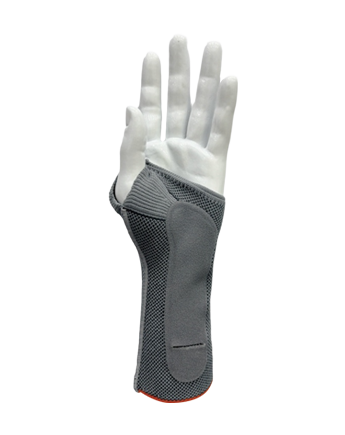
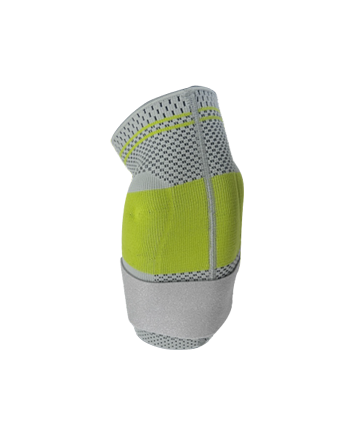
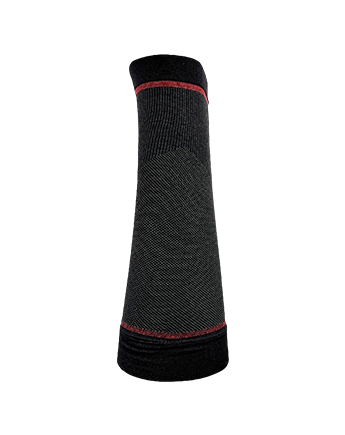
Hyrox continues to attract athletes who want a demanding mix of strength, stamina, and speed. As the race format pushes the body through repeated lower-body work, many competitors are paying closer attention to joint support. One item appearing more often in training bags and race-day kits is a Knee Brace.
The appeal is easy to understand. Hyrox combines running with movement stations that ask a lot from the legs. Lunges, burpees, jumps, and wall balls can all place steady pressure on the knees, especially when fatigue starts to build. For athletes who want to stay stable through each stage of the event, added support has become part of the conversation.
Race demands are not limited to one type of movement. Instead, the knees have to respond to a wide range of positions, speeds, and force patterns. That makes preparation important.
Repeated motion can build strain
Support can influence movement quality
Warmth also plays a role
In training and competition, the goal is not only to endure the race but to move with consistency. That is why many athletes look for support that feels secure without being distracting.
Comfort during hard effort
Stability under fatigue
Confidence at key moments
Hyrox is often described as a test of total-body performance, but the lower body carries a heavy share of the work. That means smart preparation can matter as much as strength.
Before the race
During the race
After the race
Hyrox is not a single movement challenge. It asks athletes to shift quickly from one task to another, which can be demanding on the joints.
When these tasks are combined, the knees have to manage constant change. That is one reason many competitors think about support before race day.
Athletes sometimes see knee support as part of a larger system, not a standalone answer.
What it can offer
A sense of stability
Added warmth
| Hyrox Movement | Knee Demands | Why Support May Matter |
|---|---|---|
| Running | Repeated impact and landing | May help with comfort over distance |
| Lunges | Deep bending and forward load | May support stability and control |
| Burpees | Fast lowering and rising | May help with confidence during transitions |
| Squat-based work | Strong flexion and force through the legs | May improve the feeling of joint support |
| Wall balls | Repetitive drive from the lower body | May help maintain rhythm and posture |
Athletes preparing for Hyrox often focus on pacing, technique, and resilience. Joint support has become part of that broader mindset. For some, it is about reassurance. For others, it is about staying warm and steady through a long and demanding event.
Practical reasons athletes consider support
In that sense, support is not only about race day. It also reflects how athletes train, recover, and manage the load of a demanding sport.
As fitness racing continues to expand, the conversation around injury prevention and movement support is growing with it. Athletes are thinking more carefully about how to protect their bodies while still pushing for strong results. That is why the use of a Knee Brace is becoming a familiar topic in Hyrox circles.
The interest is not surprising. When a race repeatedly asks the knees to absorb impact, drive power, and stay aligned under pressure, support can feel like a practical choice. For many competitors, that extra layer of confidence matters just as much as speed.
Hyrox rewards athletes who can stay efficient, steady, and resilient from start to finish. Knee support has become part of that equation because it may help with comfort, warmth, and stability across a race filled with repeated lower-body demands. For athletes who want to prepare with intention, a thoughtful support strategy can be one more way to stay ready for the challenge ahead. Learn more through steriger.
Steriger is a national high-tech enterprise specializing in the R&D and production of high-quality sports supports, medical braces, and sports compression socks.
Copyright © Zhejiang Steriger Sports Medicine Technology Co., Ltd.
The information provided on this website is intended for use only in countries and jurisdictions outside of the People's Republic of China.

Approval No: 浙金药监械生产备20200039号

 English
 Español
 Deutsch
 عربى
عربى Français