Patellofemoral pain has become a familiar concern for athletes, active adults, and people whose daily routines place steady pressure on the knee. It often develops without a single clear cause, which makes it harder to predict and easier to overlook. Yet the pattern behind the pain is often recognizable. Repeated stress, movement imbalance, and previous joint irritation can all play a part in how discomfort begins and how it continues.
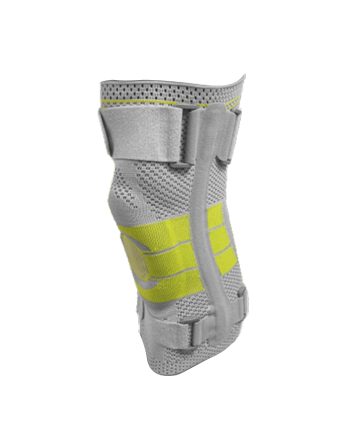
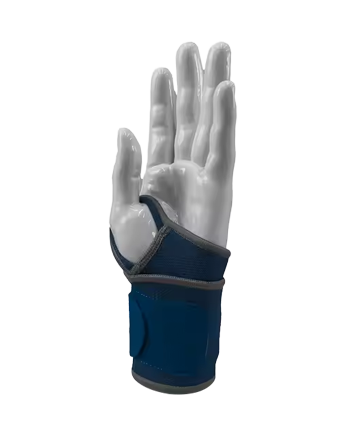
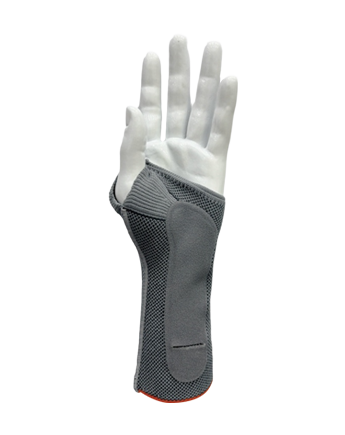
In recent health and fitness discussions, attention has shifted toward both prevention and support. That is where a Brace Factory enters the conversation in a practical way. The demand for knee support often reflects a larger need: people want tools that fit into everyday movement, help maintain alignment, and support comfort during exercise or recovery. While a brace is not a cure, it can be part of a broader approach to protecting the knee.
The condition is commonly described as an aching sensation at the front of the knee. It may show up during movement, after activity, or while the knee is held in a bent position for a long time. Many people good notice it during daily tasks rather than during intense exercise. Going up stairs, crouching, kneeling, or sitting for extended periods can make the discomfort more noticeable.
What makes the condition frustrating is that it can appear gradually. Some people continue with their routines for a while before realizing that the pain has become part of daily movement. The pain is often not sharp or sudden. Instead, it tends to feel dull, persistent, and connected to how the knee is being used.
Common signs people notice
These patterns are important because they suggest that the joint is reacting to repeated strain rather than one isolated event.
There is no single explanation for patellofemoral pain. In many cases, it grows from a mix of movement habits, muscle support, and past strain on the knee joint. Some people experience it after a period of overuse, especially when their activities involve frequent bending, running, jumping, or turning. Others notice it after a change in exercise routine or after spending more time on physically demanding tasks.
Muscle balance also plays a major role. The hip and thigh muscles help guide the knee during movement. If those muscles are weak or uneven, the kneecap may not move smoothly. That can place extra stress on the front of the joint and create irritation over time.
Previous injury can also affect how the knee feels later. A kneecap that has been dislocated, fractured, or otherwise damaged may continue to respond with discomfort even after the original injury has healed. In addition, surgery around the knee can leave the area more sensitive during recovery, especially when the surrounding tissues have been affected.
Common contributing factors
For a Brace Factory that designs knee support products, these details matter because they show how people think about stability, comfort, and daily wear. The goal is often not just support, but support that fits the way people actually move.
Once knee pain starts, daily life can become more limited. That is why prevention matters even for people who do not have ongoing symptoms. The knee works as part of a larger movement chain, so preparation, strength, and technique all influence how much pressure reaches the joint.
Warm-up routines help prepare the muscles and joints for activity. Stretching can support mobility, while strength work can improve the way the hip and knee share load. Supportive footwear may also make movement feel more stable, especially during exercise or long periods of standing and walking.
Technique is another major factor. When people run, jump, land, pivot, or climb, the knee should move in a controlled way. Small form issues can create repeated stress over time. Better alignment during motion helps reduce unnecessary pressure and may lower the chance of pain building up later.
Patellofemoral pain is not only a sports issue. It can affect office workers, parents, travelers, and anyone whose schedule includes repeated bending or climbing. That is why a practical prevention plan should be realistic and easy to maintain. People usually respond better to habits they can repeat than to complicated routines they cannot keep up with.
Supportive products, movement habits, and daily awareness can work together. A knee brace may be useful in settings where extra structure feels helpful, while exercise and stretching support the muscles that guide the joint. Together, these steps create a more complete approach than relying on one single solution.
The knee responds to how the body is used. That means prevention is often built from ordinary habits, not dramatic changes. Good movement patterns can help reduce stress on the front of the knee, and regular conditioning can make the joint more resilient.
People who are active often benefit from paying attention to how they land, bend, and shift direction. Those who spend a long time sitting may need to notice how stiffness develops after staying in one position too long. Even small changes, when repeated over time, can shape how the knee feels from day to day.
Useful habits for knee comfort
These habits are simple, but they support the knee in ways that are easy to overlook when life becomes busy.
| Area | What It Can Look Like | Why It Matters |
|---|---|---|
| Overuse | Repeated stress from physical activity | Can irritate the front of the knee over time |
| Muscle imbalance | Uneven support from surrounding muscles | May affect kneecap tracking |
| Previous injury | Lingering sensitivity after trauma | Can make the joint more reactive |
| Warm-up routine | Movement before exercise | Helps prepare muscles and joints |
| Strength support | Regular conditioning work | Helps stabilize knee movement |
| Technique awareness | Controlled form during motion | Reduces avoidable strain |
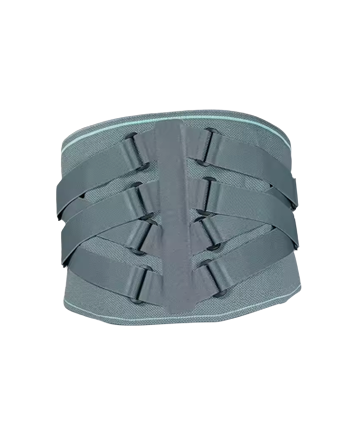
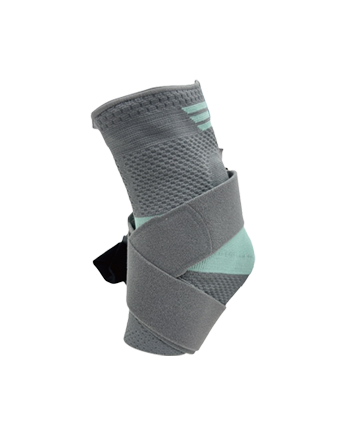
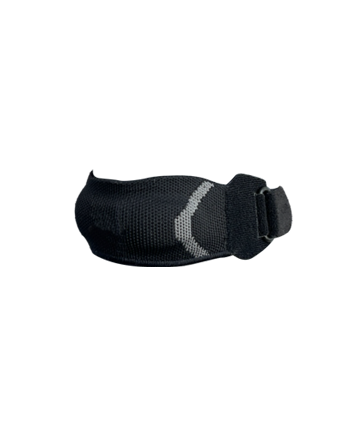
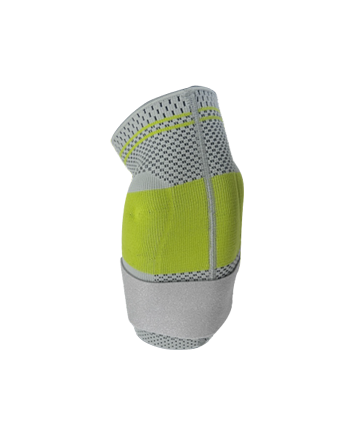
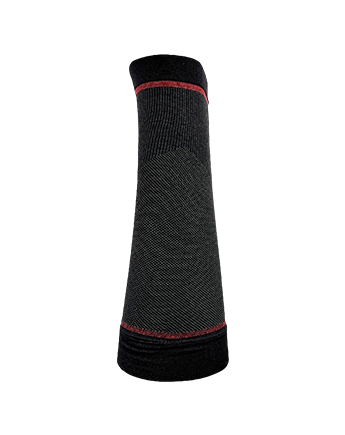
Knee support products are often discussed only after pain starts, but they can also play a preventive role in certain situations. Some people like the feeling of extra structure during movement. Others use support when returning to activity after irritation or injury. The value lies in how the support fits the user’s routine, not in any promise of solving every issue.
A well-designed brace or support product should feel comfortable enough for regular use and useful enough to encourage better confidence in movement. That balance is one reason interest in knee support remains steady across sports, work, and everyday life.
Patellofemoral pain can be discouraging, but it is also manageable when people understand what may be driving it. Repeated stress, poor muscle support, old injury, and movement habits all influence how the knee behaves. Once those factors are recognized, prevention becomes more practical.
That is where good habits matter most. A proper warm-up, stronger surrounding muscles, supportive footwear, and better movement form all contribute to a knee that feels more stable. Over time, these choices may reduce irritation and help daily activities feel easier.For readers comparing support options or product directions, steriger may be a useful place to explore related knee support ideas.
Steriger is a national high-tech enterprise specializing in the R&D and production of high-quality sports supports, medical braces, and sports compression socks.
Copyright © Zhejiang Steriger Sports Medicine Technology Co., Ltd.
The information provided on this website is intended for use only in countries and jurisdictions outside of the People's Republic of China.

Approval No: 浙金药监械生产备20200039号

 English
 Español
 Deutsch
 عربى
عربى Français