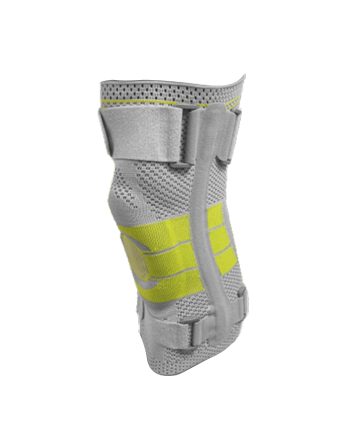
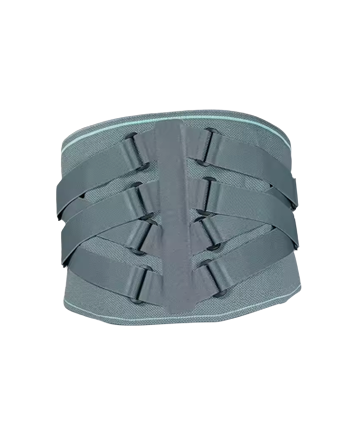
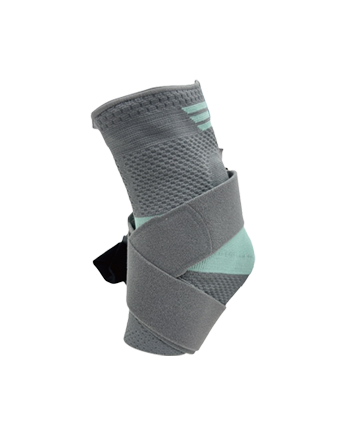
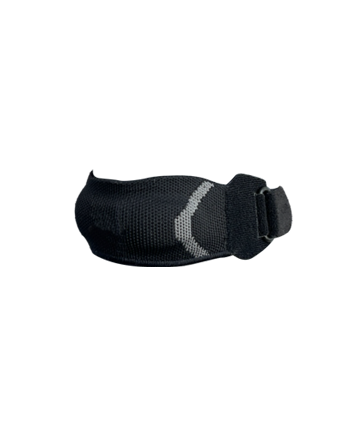
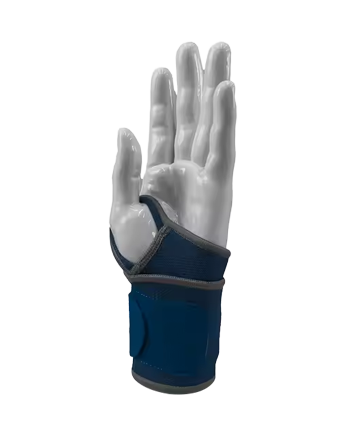
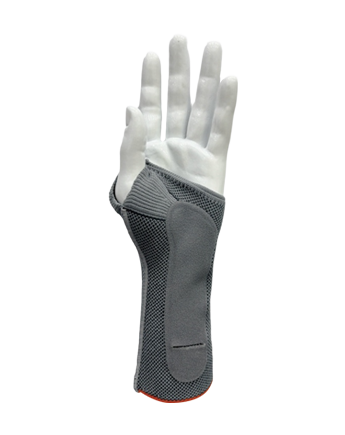
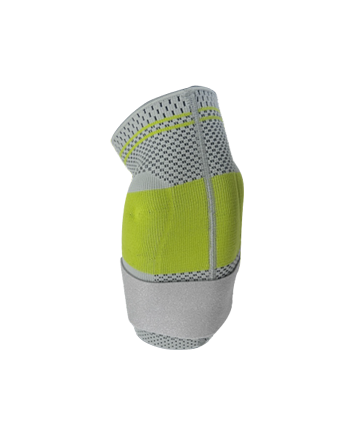
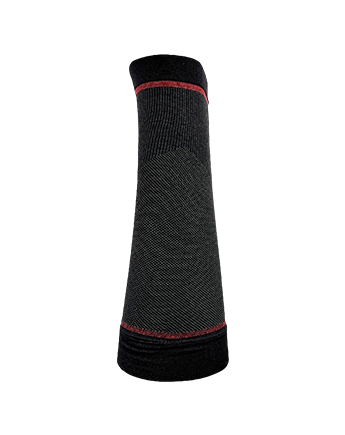
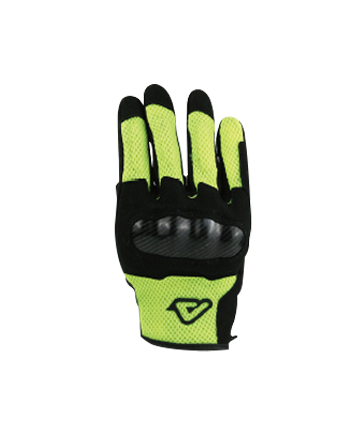
A Palm Brace is often introduced as a simple solution for hand support, yet its real effect depends on how it is used over time and across different daily demands. In many cases, users notice immediate relief when wearing it and assume that extending wear, increasing tightness, or relying on it continuously will naturally improve outcomes. In practice, the way a hand brace interacts with muscle activity, joint movement, and external load means its role is more conditional than it appears at the start. Misunderstandings around duration, tension, and function can gradually shift usage patterns away from recovery support and toward unintended strain or dependency. Recognizing how these patterns develop helps explain why discomfort, reduced function, or persistent symptoms may still appear even when the support seems to be used consistently.
If the support reduces pain when worn, wearing it more should reduce pain more. That is the instinct. It is wrong, and understanding why requires a short look at what a hand brace actually does mechanically.
A hand support works by limiting certain movements and providing compression. That support substitutes, partially, for the work the hand's own muscles would otherwise do. When the support is on, those muscles are less active. That is intentional during acute injury phases or high-demand tasks. It becomes a problem when it continues past the point where the muscles need to re-engage.
Extended daily wear — particularly beyond the window that is appropriate for the condition — leads to a pattern that rehabilitation professionals call disuse. The muscles that stabilize the hand and wrist get less signal to work. Over weeks, they weaken. When the support eventually comes off, the hand has less intrinsic stability than it had before — making it more vulnerable, not less.
This is not a reason to avoid hand braces. It is a reason to use them within a defined window and pair them with appropriate hand activity.
The general framework — though individual conditions vary and professional guidance matters — is to use the support during periods of load or risk, and allow the hand to function unbraced during lower-demand periods. This keeps the support available when it is needed without substituting for muscle function across the full day.
There is a widespread belief that firmer compression equals stronger support. With some supports, this is partially true. With a hand brace, it is a misread of how the product works.
The support a hand brace provides comes primarily from its structural elements — the stay or splint that limits wrist angle — not from compression pressure. Tightening the straps beyond what is needed for the brace to stay in position does not increase structural support. It increases pressure on the tissue, nerves, and blood vessels underneath.
Straps fastened too tightly against the palm or wrist create a cluster of secondary problems:
Reduced circulation to the hand, producing the tingling and coldness that users sometimes misread as part of their original condition
Pressure on the radial or ulnar nerve running through the wrist, causing localized numbness distinct from the condition the support is meant to address
Skin irritation and marks that persist well after the support is removed
A false sense that the support is working harder, when it is actually working against the hand
A properly tensioned hand brace should allow a finger to slide underneath each strap with mild resistance. The brace should feel firm and stable — it should not shift or slide — but the hand should not feel compressed to the point of discomfort soon after wearing it. If the straps feel fine at application but produce tingling or numbness within a short period, they are too tight.
A hand brace manages symptoms and protects the hand during recovery. It does not address the underlying cause of pain, nerve irritation, or joint dysfunction. These are meaningfully different things, and conflating them leads to long-term use that delays recovery rather than supporting it.
Someone dealing with carpal tunnel symptoms, a ligament sprain, or repetitive strain injury needs the support to reduce load during healing — while other interventions address the tissue damage, movement patterns, or occupational factors that produced the problem. The brace handles one part of that process, not all of it.
When a hand brace becomes a long-term substitute for addressing the underlying issue, the original condition typically does not improve. The support keeps symptoms manageable enough that the user continues their existing habits without change. The tissue never gets the recovery stimulus it needs. Pain continues. The brace use continues. Neither the hand nor the support situation improves.
For retail and distribution contexts, this matters because it shapes how products are positioned. A hand brace sold as a tool within a recovery process — alongside guidance on when to wear it, when not to, and what else belongs in the picture — generates better user outcomes than one positioned as a standalone fix.
The specifics depend on the condition, but generally:
The brace supports this process. It does not replace it.
This one catches people off guard. A hand brace can be contributing to problems — muscle deconditioning, skin issues, circulation changes — without producing obvious pain. The absence of discomfort while wearing the support does not mean the use pattern is appropriate.
In fact, the support can mask signals that would otherwise prompt adjustment. A hand that is quietly losing grip strength does not necessarily announce that fact. Skin that is developing irritation under continuous fabric contact does not always feel uncomfortable until the irritation is established. The feedback signals that would normally inform how someone uses a support are partially suppressed by the support itself.
There is no universal daily wear limit that applies across all conditions and all users. What the evidence broadly supports is that continuous all-day wear — without periods off, without hand activity during those off periods — is rarely the appropriate approach outside of acute injury phases or specific medical instructions.
A few factors that shape appropriate duration:
A practical approach for users wearing a hand brace through a workday is to build in deliberate off periods — removing the support during breaks, lunch, or lower-demand parts of the day and allowing the hand to move through its natural range. This keeps the hand active without exposing it to the load that made the support necessary to begin with.
Some users develop a psychological dependency on their hand brace — not because the hand medically requires it, but because they have come to associate its absence with vulnerability. This is particularly common when the original condition was painful enough to create anxiety around hand use.
The result is extended use well past the point where the support is clinically necessary. The hand that could function without support continues to be braced, and the weaning process becomes harder the longer it is delayed.
Removing a support that has been worn for an extended period should be gradual rather than abrupt. A pattern that tends to work:
The goal is to reach a point where the hand functions reliably without the support, and the support is available for situations where it genuinely helps rather than worn as a default.
A Palm Brace worn during typing at a desk and one worn during physical labor or a training session serve different purposes and should be adjusted accordingly. Strap tension appropriate for a sedentary activity may be insufficient for activities involving grip, vibration, or heavy load. A position that works well at rest may shift during active movement.
Several adjustments are worth making based on context:
Some activities are better done without a hand brace, even when the hand is in a recovery phase:
Pulling the above together into a practical framework:
Use the support during:
Allow unbraced time during:
Adjust over time:
For distributors and retailers, the above has direct implications for how hand braces are presented and supported at point of sale.
Products positioned with clear use-case guidance — when to wear, how long, what to watch for — generate fewer complaints and returns than products sold without context. Users who understand that a hand support is a tool within a recovery process, not a standalone fix, use it more appropriately and report better outcomes.
A few practical considerations:
A well-informed retail environment — one where staff understand the common misunderstandings around hand brace use — converts more effectively and generates fewer returns from misuse.
A hand support that encourages correct use patterns — breathable enough for extended wear when appropriate, structured enough to provide genuine support, sized accurately enough to fit without over-tightening — requires deliberate design decisions at the manufacturing level. Steriger designs and manufactures orthopedic support products including the Palm Brace for rehabilitation, occupational, and sports applications, with OEM and ODM capability for custom specifications, packaging, and use-case guidance materials. Reach out to Zhejiang Steriger Sports Medicine Technology Co., Ltd. for product catalogs, samples, or pricing on hand brace formats — and build a hand support range that gives your retail partners and their customers the tools to use the product correctly from day one.
Steriger is a national high-tech enterprise specializing in the R&D and production of high-quality sports supports, medical braces, and sports compression socks.
Copyright © Zhejiang Steriger Sports Medicine Technology Co., Ltd.
The information provided on this website is intended for use only in countries and jurisdictions outside of the People's Republic of China.

Approval No: 浙金药监械生产备20200039号

 English
 Español
 Deutsch
 عربى
عربى Français