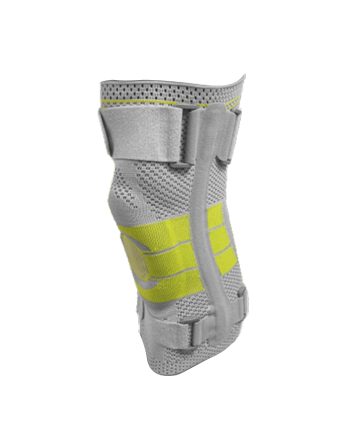
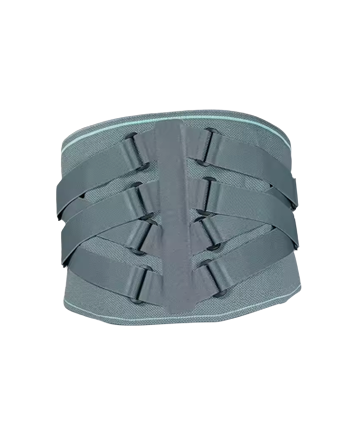
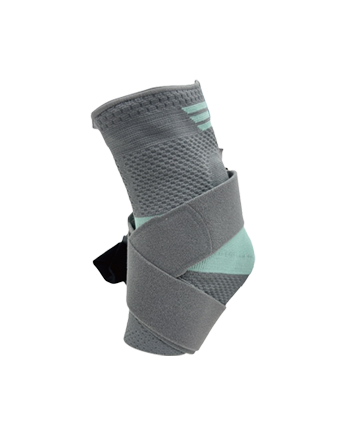
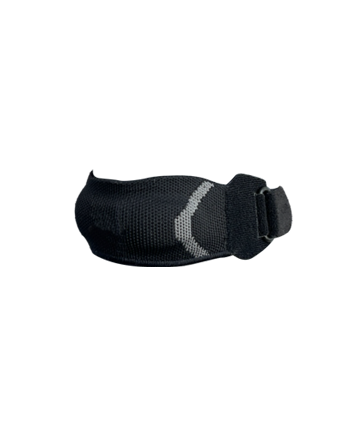
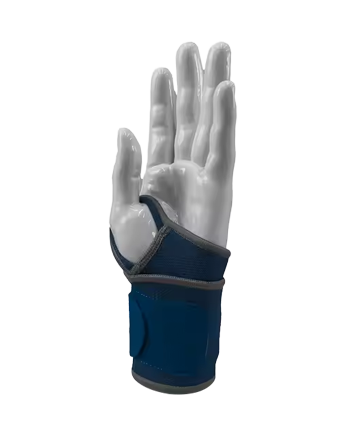
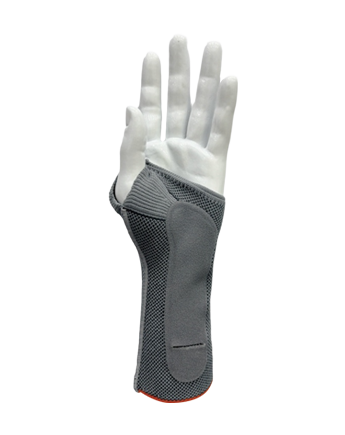
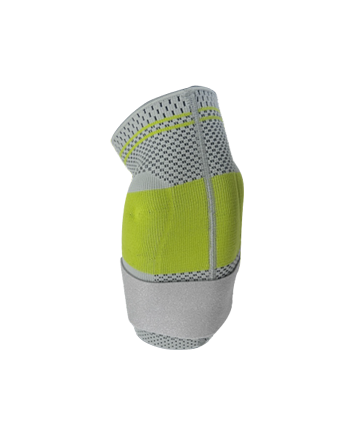
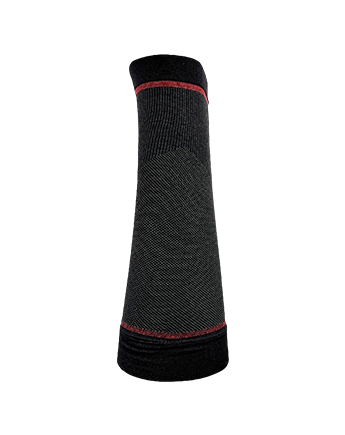
As demand for supportive devices rises, manufacturers and clinicians are working in parallel to refine how knee supports are designed, prescribed, and used. Recent developments in brace design—from offloading frames to adjustable hinged systems and patella-stabilizing sleeves—are allowing people with joint pain or ligament injuries to remain active while they recover. At the same time, production hubs known broadly as the Knee Brace Factory sector are adapting to shifting needs by expanding ranges, improving materials, and offering more tailored options for clinicians and consumers.
Knee supports are no longer one-size-fits-all accessories. Medical professionals emphasize matching the device to the underlying problem, and modern production reflects that nuance. For patients whose discomfort is concentrated on the inner portion of the knee, an offloading or unloader design rebalances forces across the joint. By nudging the alignment and shifting load toward the outer compartment, these supports can reduce pain and improve stability during daily activities.
Unloading devices are intended to reduce stress in the affected compartment without altering the structural changes in the joint. Users often report improved comfort and a reduced tendency for the knee to give way during routine tasks, allowing them to continue with mobility goals while other treatments are pursued.
When an inner collateral ligament is injured, a hinged support prescribed by a clinician provides targeted restraint against side-to-side motion. These frames permit controlled movement while protecting the healing tissue. For injuries that require surgical reconstruction, adjustable hinged braces with lockable features can be used in the early post-operative phase to immobilize the knee or, later on, to allow progressive bending as recovery proceeds.
Discomfort arising from the kneecap area is frequently helped by soft sleeves that include a cutout or ring to guide the patella. These designs help the kneecap track more reliably during motion, easing pain and enabling safer participation in strengthening exercises that target the muscles surrounding the joint.
Clinicians stress that braces are a complement to, not a replacement for, active rehabilitation. Supports can reduce symptoms enough to enable patients to engage in therapeutic exercise, which in many cases is central to long-term joint health.
Rehabilitation typically emphasizes strengthening the quadriceps and hamstrings because these muscle groups help stabilize the knee and absorb forces during movement. Supports that reduce pain can make it possible for patients to perform conditioning work more comfortably and consistently.
Activities that place less stress on the joint—such as water-based exercise, gentle swimming, and stationary cycling—are commonly recommended because they sustain cardiovascular fitness while limiting joint loading. These options allow ongoing activity during recovery periods when higher-impact sports are not appropriate.
Production facilities that serve the brace market are adjusting in several ways. Some are streamlining lines to supply larger volumes for general-use sleeves and basic hinged designs, while others are adding capacity for more advanced, adjustable systems that require precise fitting. Clinics and retailers seeking tailored devices increasingly look to manufacturers able to provide a range of sizes, adjustable components, and material options that balance support with comfort.
Reported industry shifts include a focus on softer, breathable textile parts where the brace contacts skin, combined with structural elements that maintain control. The goal is to create devices that patients will wear for the prescribed time because they are comfortable in daily life and during exercise.
Producers are also working more closely with clinicians to understand fitting needs and rehabilitation protocols, enabling the supply of devices that align with therapeutic goals. This collaboration can shorten the time between prescription and use, and it can good to product refinements based on real-world feedback.
| Brace Type | Primary Purpose | Typical Clinical Use | Patient benefit |
|---|---|---|---|
| Unloader / Offloading brace | Reduce load on a specific joint compartment | Symptomatic compartmental arthritis | Less knee pain during walking and standing |
| Hinged knee brace | Stabilize against side-to-side forces | Ligament sprain or conservative MCL care | Protects healing tissue while allowing controlled motion |
| Locking hinged brace | Immobilize or control range after surgery | Post-operative knee reconstruction | Restricts motion when needed; unlocks for progressive rehab |
| Patellar support sleeve | Improve kneecap tracking and comfort | Patellofemoral pain or cartilage softening | Better alignment and pain reduction during activity |
Choosing a support involves several practical considerations. People weigh symptom patterns, activity levels, and daily routines alongside suggestions from healthcare providers. For short-term flare-ups or single events, a simpler sleeve may be a convenient choice. For instability or long-term compartmental pain, structured supports that alter joint alignment may be favored. Cost, access to clinical fitting, and personal comfort also play a role.
Clinicians generally recommend a trial wearing period under supervision so that patients can assess comfort and function and so practitioners can adjust fit or recommend an alternate design when needed.
As rehabilitation programs place more emphasis on maintaining activity while protecting healing structures, the demand for appropriately matched supports is likely to continue. Manufacturers operating within the broader Knee Brace Factory space are expected to expand offerings that combine stability, adjustability, and skin-friendly materials. At the same time, research and clinician feedback will shape which features are prioritized for particular conditions.
For patients and therapists, the ideal outcome is a support that reduces symptoms enough to allow meaningful participation in recovery work while fitting comfortably into daily life. For suppliers, success will likely be measured by the ability to deliver usable, well-fitted devices that align with clinician protocols and patient preferences. For sourcing and further guidance, healthcare providers often point to established production channels and specialist suppliers such as Zhejiang Steriger Sports Medicine Technology Co., Ltd..
Steriger is a national high-tech enterprise specializing in the R&D and production of high-quality sports supports, medical braces, and sports compression socks.
Copyright © Zhejiang Steriger Sports Medicine Technology Co., Ltd.
The information provided on this website is intended for use only in countries and jurisdictions outside of the People's Republic of China.

Approval No: 浙金药监械生产备20200039号

 English
 Español
 Deutsch
 عربى
عربى Français