Knee discomfort is something a lot of people live with quietly — it affects errands, work shifts, walks with friends, and weekend plans. Rather than chasing complex fixes, simple shifts in daily behavior often make a real difference.
It's tempting to treat a sore knee by sitting more and doing less. But when muscles and soft tissues around a joint aren't used, they get weaker. That weakness changes how forces travel through the leg and can make discomfort return sooner. A smarter approach is gradual: keep the joint moving in comfortable ways, strengthen surrounding muscles over time, and limit activities that consistently provoke sharp pain.
Resting through pain makes sense emotionally, but long stretches of inactivity tend to shrink the muscular support that the knee relies on.
Think of it as retraining the muscles to share load better; it doesn't require dramatic workouts, just steady, sensible effort.
Extra body mass means more mechanical stress each time you step, climb, or stand. The good news is that even modest, steady weight changes and small activity boosts add up.
Reducing load doesn't need radical action; gradual steps lower joint stress while keeping life manageable.
Shoes are often overlooked, yet they shape how the foot meets the ground and how forces travel up the leg.
A small footwear change can make daily walking and standing noticeably less fatiguing for the knees.
| Common Problem | Practical Response |
|---|---|
| Reduced daily movement | Short, repeatable exercises; guided strengthening |
| Extra body weight | Gradual dietary shifts; gentle activity increase |
| Unsuitable footwear | Activity-specific shoes; timely replacement |
| Stiffness after inactivity | Warm-up routines; controlled range-of-motion work |
| Repeated flare-ups | Stepwise progress; professional review if needed |
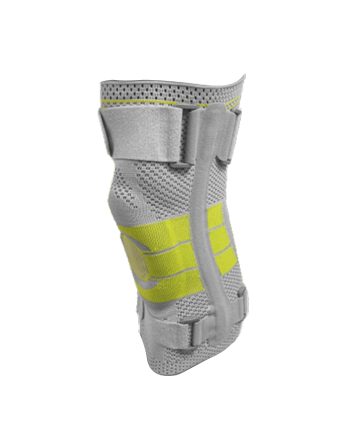
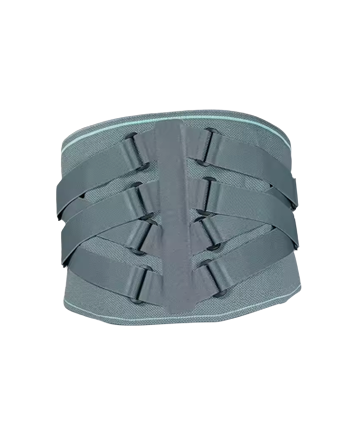
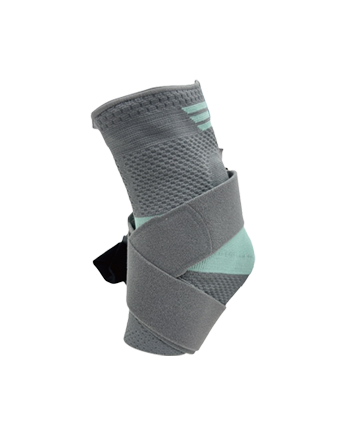
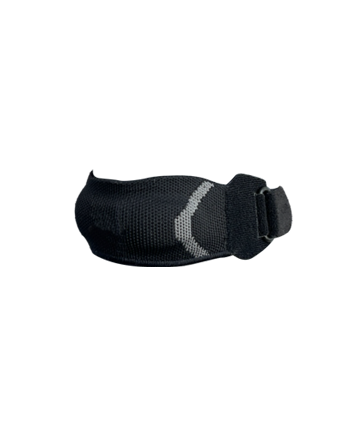
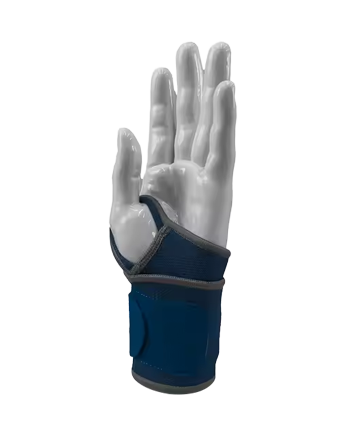
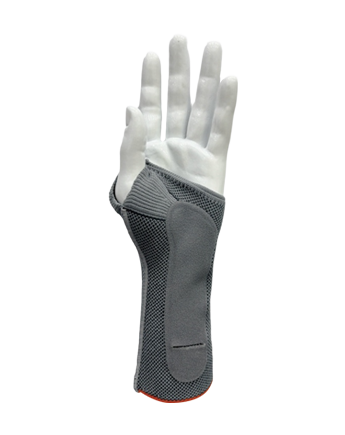
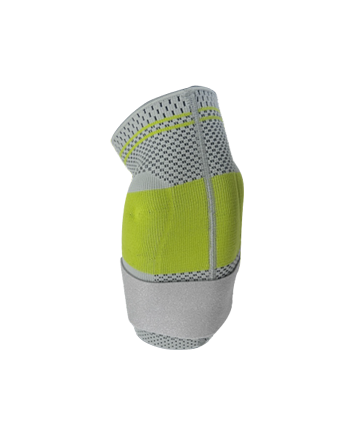
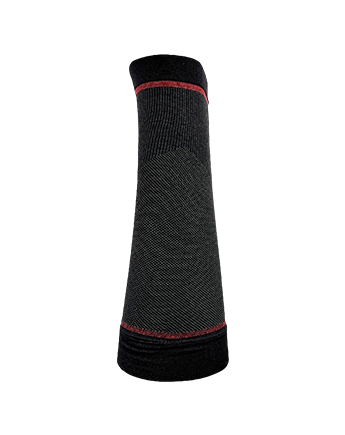
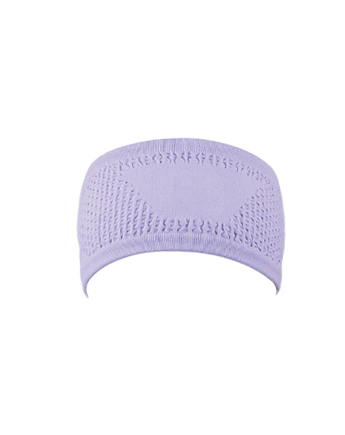
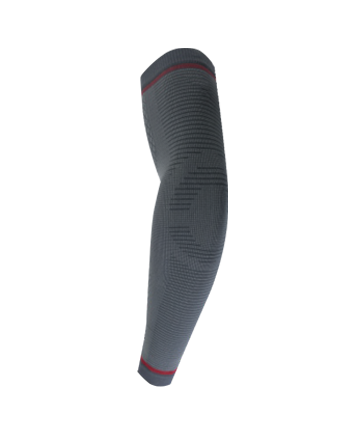
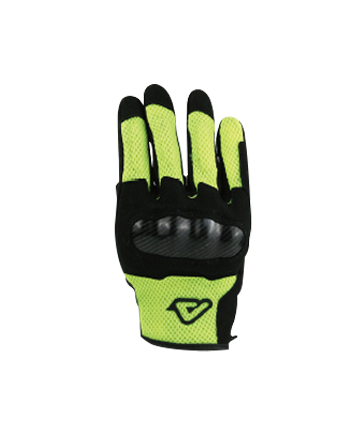
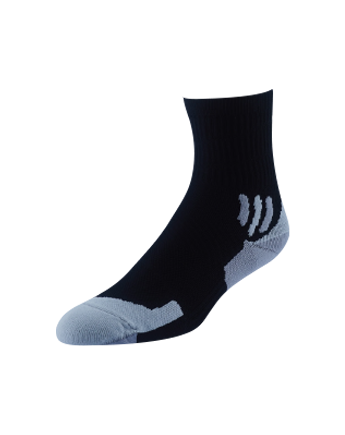
Support devices can be a useful bridge — they often let people stay active during symptom flares and can ease tasks that otherwise feel risky.
Devices work good when they fit into a broader plan: steady exercise, sensible load management, and attention to footwear.
Changing routines is the real challenge. Small, specific steps are easier to keep than sweeping resolutions.
These approaches reduce the fear that movement will make things worse and create data you can use with a therapist or clinician.
If reasonable changes don't help or if pain limits routine activities, a professional evaluation can reveal causes that self-management misses.
An expert perspective helps match solutions to individual needs rather than relying on guesswork.
Long-term knee comfort usually comes from a mix of steady movement, attention to weight and diet, and footwear that fits the day's tasks. Manufacturers such as a Knee Brace Factory can play a role by producing easy-to-use supports that people will actually wear, while clinicians and users collaborate on plans that protect function and preserve mobility. If you're looking for further guidance on practical supports and simple fitting tips, see Zhejiang Steriger Sports Medicine Technology Co., Ltd..
Steriger is a national high-tech enterprise specializing in the R&D and production of high-quality sports supports, medical braces, and sports compression socks.
Copyright © Zhejiang Steriger Sports Medicine Technology Co., Ltd.
The information provided on this website is intended for use only in countries and jurisdictions outside of the People's Republic of China.

Approval No: 浙金药监械生产备20200039号

 English
 Español
 Deutsch
 عربى
عربى Français