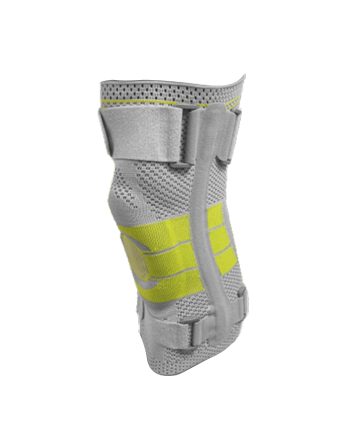
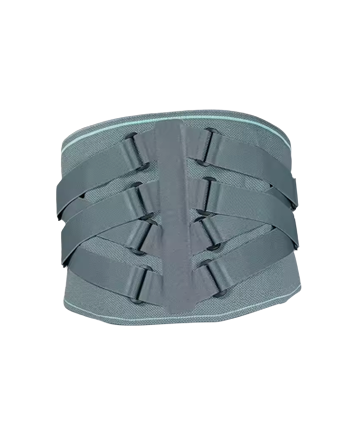
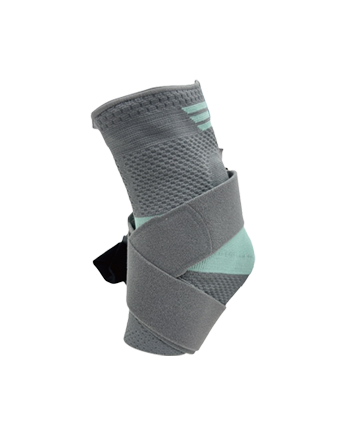
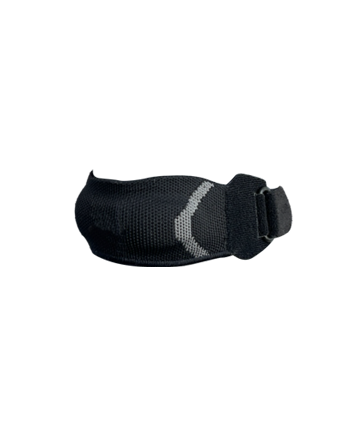
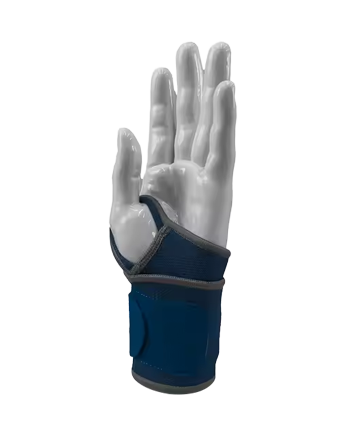
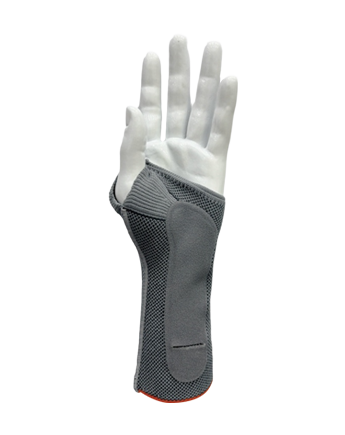
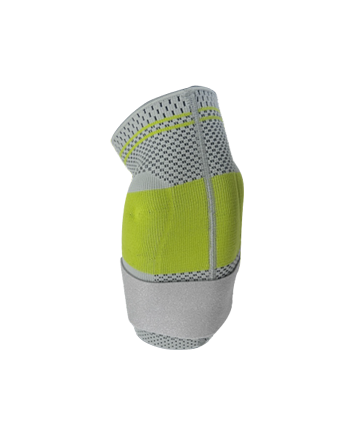
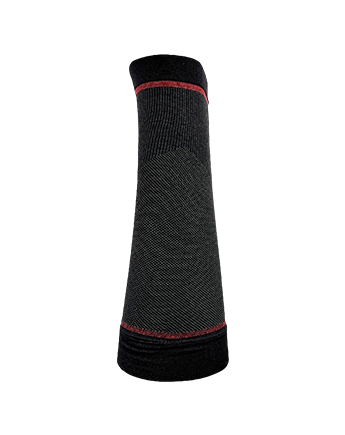
Wrist tendonitis affects people across many walks of life — from those who use their hands intensively at work to hobbyists and athletes. Treatment approaches range from rest and targeted exercises to brief periods of immobilization. Among the tools clinicians and therapists commonly recommend, a controlled support device often called a Palm Brace is receiving renewed attention as a way to reduce strain, manage discomfort, and help the healing process proceed in a measured way.
In recent years, support devices for the wrist have been reframed as part of a broader strategy rather than a single cure. They are used to limit harmful motions, protect inflamed tendons from repetitive stress, and provide a steady position that reduces mechanical irritation. For many overuse injuries and acute flares, temporary immobilization with a splint or brace is a standard component of early management.
Clinicians see value in a support that reduces painful movements while allowing other therapies — such as ice, anti-inflammatory measures, and guided movement — to work. The device acts as a practical aid that can be worn during activities that would otherwise provoke a flare, giving the irritated tissues a chance to calm down.
One immediate reason people reach for a Palm Brace is pain relief. Limiting the wrist's range of motion and offering light compression can ease sharp sensations and reduce ongoing irritation. Many users report that a period of careful bracing lowers pain enough to permit gentle rehabilitation steps and improves sleep when discomfort would otherwise disrupt rest.
While immobilization can reduce pain, specialists also emphasize restoring controlled motion at the appropriate time. Too much protection for too long can good to stiffness and reduced function. A short, supervised period of limited movement combined with progressive exercises is generally favored over indefinite immobilization.
A Palm Brace helps maintain a neutral wrist position, which is often recommended to minimize tendon strain and reduce nerve compression in certain conditions. Proper alignment decreases abnormal tension along tendon paths and can reduce compensatory movements that otherwise transfer stress to other structures. This alignment role makes the brace useful as part of a structured plan for recovery.
A modest change in angle or stabilization can change how force transmits through the wrist during gripping, typing, or lifting. That is why many therapists adjust support levels as pain subsides and function returns.
Choosing to use a Palm Brace should follow a few simple practical steps so the device supports healing rather than creating new problems.
Use the brace for activities that trigger pain or when instructed by a clinician.
Avoid continuous, 24/7 wear unless a health professional advises it — intermittent protection paired with guided movement tends to work better.
A brace should feel supportive, not constrictive.
If numbness, increased tingling, or color changes in the hand occur, reassess fit and seek advice.
Combine support use with gradual, therapist-guided exercises to restore motion and strength.
Work adjustments or activity modification can reduce re-injury risk.
These practical steps reflect common clinical guidance on managing tendon irritation and helping the joint regain normal function.
For workplaces and individuals balancing return-to-task needs, a Palm Brace can offer an operational advantage: it enables participation in less-demanding tasks while protecting a healing tendon. Employers and safety officers sometimes include temporary supports in return-to-work plans to reduce risk of recurrent injury. At the same time, long-term reliance without rehabilitation risks prolonging recovery, so coordination with a care provider is advised.
Pain that persists beyond a short recovery window, progressive weakness, or symptoms such as pronounced swelling or loss of function warrant a professional assessment. A clinician can determine whether bracing is appropriate, recommend the right style and wearing schedule, and coordinate rehabilitation steps that reduce the chance of chronic problems. For many people, a targeted assessment clarifies whether a brace will be helpful and how it should be used.
| Situation | Why a brace helps | Use guidance |
|---|---|---|
| Early flare from overuse | Limits painful movements and protects tendon | Short-term use during aggravating tasks |
| Night pain or restless sleep | Reduces motion that provokes symptoms overnight | Wear as directed for sleeping periods if helpful |
| Return-to-work with reduced duties | Allows participation in lighter tasks while protecting healing tissue | Combine with ergonomic adjustments |
| Planned rehabilitation | Keeps alignment while progressive exercises begin | Follow therapist schedule for phased removal |
| Persistent or worsening symptoms | Indicates need for medical review rather than stopping care | Seek assessment to avoid delays in recovery |
A brace is not a permanent fix; it supports recovery when combined with activity changes and guided exercise.
The tool should not cause new symptoms; discomfort that appears after using a support should prompt re-evaluation.
A Palm Brace can be a useful, noninvasive component within a broader tendonitis care plan when used with clear goals: to reduce strain, manage pain, and buy time for healing and guided rehabilitation. It is good effective when chosen and used in partnership with a clinician or therapist who can advise on timing, fit, and the transition back to full activity. For practical sourcing guidance and visual examples that help teams and individuals choose options aligned with clinical goals, see Zhejiang Steriger Sports Medicine Technology Co., Ltd..
Steriger is a national high-tech enterprise specializing in the R&D and production of high-quality sports supports, medical braces, and sports compression socks.
Copyright © Zhejiang Steriger Sports Medicine Technology Co., Ltd.
The information provided on this website is intended for use only in countries and jurisdictions outside of the People's Republic of China.

Approval No: 浙金药监械生产备20200039号

 English
 Español
 Deutsch
 عربى
عربى Français