In cities and suburbs alike, conversations about joint health have moved from clinics into community centers, gyms, and workplace wellness programs. A growing number of people are weighing the pros and cons of different knee aids as they seek comfort, stability, and a path back to normal movement after strain or injury.
Knee aids are no longer a niche product reserved for post-surgery recovery. Walk into many clinics and sports facilities and you will find devices intended to reduce discomfort, limit harmful motion, or offer compression during activity. The offerings fall into a few clearly defined categories, and each has a different role in daily life and rehabilitation.
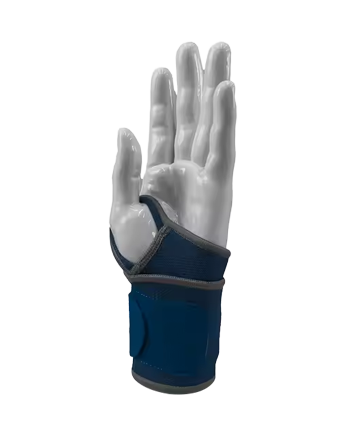
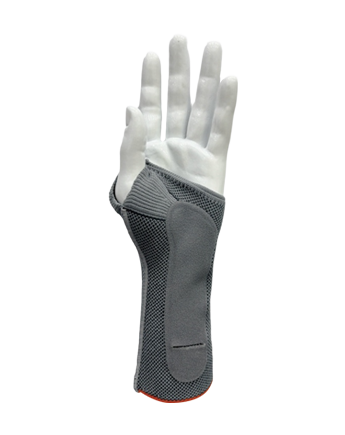
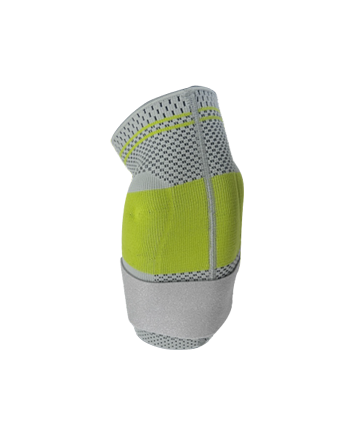
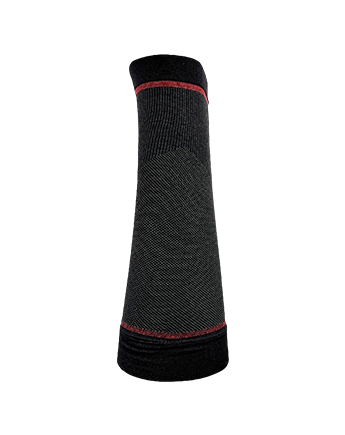
Health professionals and physical therapists typically sort knee devices by structure and by how they are worn. Here are the common classes and how they differ:
Each reader should consider both the structural class and the wearing style when choosing a device; the two categories work together to determine how a product will feel during movement.
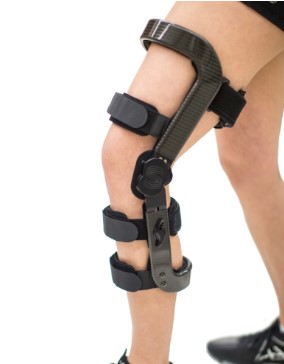
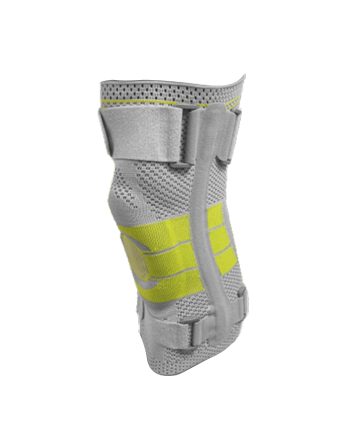
Devices are designed with particular goals in mind. Some give soft compression to reduce swelling and offer comfort during daily tasks. Others focus on limiting particular motions that can worsen an injury or delay healing. For people returning to active routines, the level of guidance a device offers can be an important consideration. For example, side-reinforced options can help control lateral movement during cutting or sudden turns, while hinged devices guide flexion and extension along a predictable path.
Fit is more than a figure on a chart — it is how a device sits and performs during real movement. Use these practical checks:
| Device type | Typical aim | User tip |
|---|---|---|
| Sleeve | Compression and warmth for mild discomfort | Wear during light activity or rest; check for slipping |
| Wraparound support | Adjustable compression and mild stability | Re-adjust after longer activity sessions |
| Stabilizer | Side-to-side control with flexible motion | Use for activities with lateral stress or when you feel instability |
| Hinged support | Guided motion and stronger control | Follow professional guidance after injury or surgery |
Think about what you need the device to do during your common activities. For everyday walking and standing, soft compression may be sufficient. If you take part in sports that involve twisting or quick direction changes, an option that limits lateral movement can reduce the risk of re-injury. People who are in active rehabilitation often wear a guided device under the direction of a clinician.
It is helpful to test a device in conditions that mirror your routine: walk a few laps, go up and down stairs, or simulate a task you do at work. That trial will quickly reveal whether the device stays put, irritates the skin, or provides the intended feeling of support.
Material choice affects breathability and comfort. Soft liners reduce rubbing, and washable materials make maintenance simpler. Frequent users should inspect the device regularly; look for loose stitching, stretched straps, or areas where padding has compressed. Simple upkeep extends the useful life of a device and helps preserve its ability to support properly.
If you are recovering from a significant sprain, ligament tear, or surgical procedure, professional advice can help align the right device with a recovery plan. A clinician or therapist can show how to don the device correctly, how tight it should feel, and how to incorporate it safely into your activity or rehabilitation routine.
Many people adapt to a device in stages: initial cautious use for a few days, a short trial during the activity that causes symptoms, and then regular use if the device feels comfortable and helpful. Others use a device only on days when activity levels increase or when they expect conditions that challenge their joint.
Choosing a knee aid involves balancing comfort with the level of control you need. Those facing instability during motion may find that reinforced side supports or hinged designs provide the protection required to reduce risky movement, while others find value in lighter compression for daily comfort. Ultimately, decision-making that includes a test of the device during normal motion and, when appropriate, professional guidance will help match a device to the individual’s needs.For readers exploring supportive devices, consider consultation and hands-on trials before committing to long-term use. For community resources and local guidance, see the link for further reference: steriger.
Steriger is a national high-tech enterprise specializing in the R&D and production of high-quality sports supports, medical braces, and sports compression socks.
Copyright © Zhejiang Steriger Sports Medicine Technology Co., Ltd.
The information provided on this website is intended for use only in countries and jurisdictions outside of the People's Republic of China.

Approval No: 浙金药监械生产备20200039号

 English
 Español
 Deutsch
 عربى
عربى Français