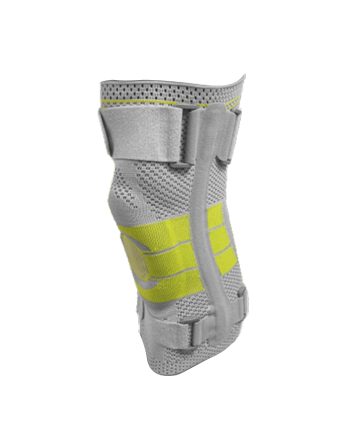
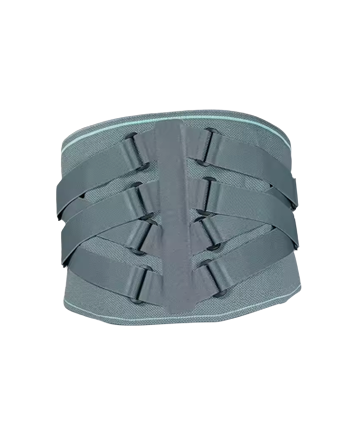
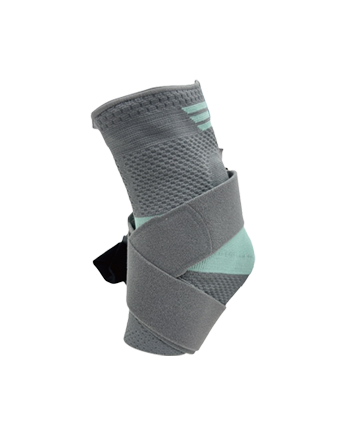
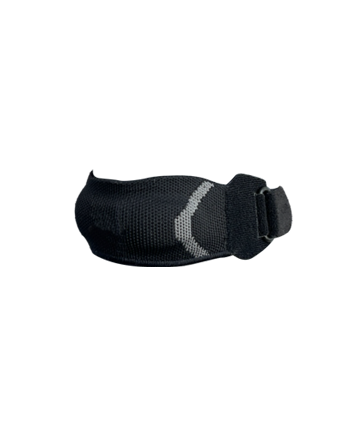
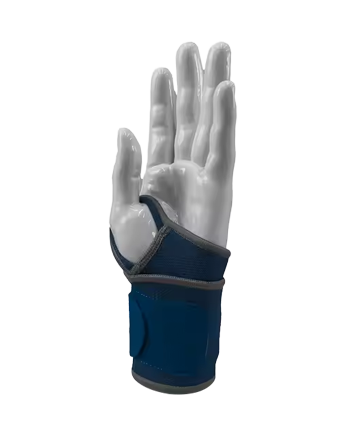
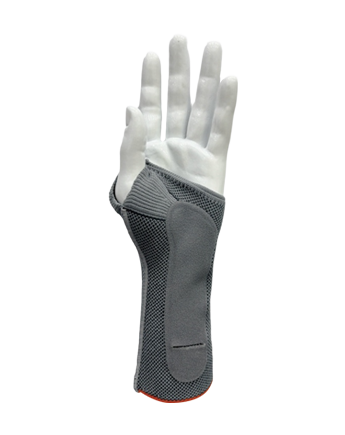
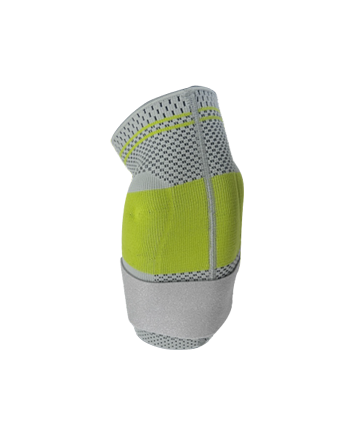
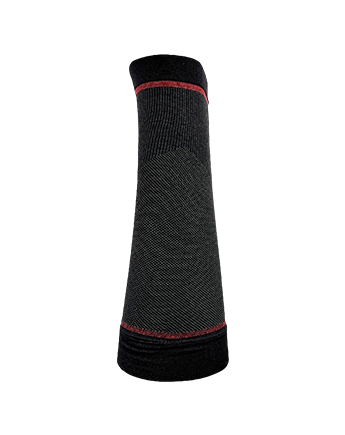
A growing number of clinicians, therapists, and active people are reconsidering how supportive devices fit into recovery and prevention plans for knee injuries. The conversation has shifted from simple reliance on external aids to a more balanced approach that treats a support device as one part of a broader recovery strategy. In recent coverage of rehabilitation trends, the role of a Knee Brace has been framed not as a permanent fix but as a tactical tool that can help reduce risk and improve function when used with care and guidance.
Health professionals say that a supportive device can reduce unwanted motion around a joint, ease discomfort by spreading load away from sensitive areas, and offer a reassuring level of stability during movement. For someone returning to normal daily activities or a controlled exercise program, a brace can serve as an added safeguard while coordination and strength rebuild. Importantly, clinicians emphasize that a brace often works good alongside progressive muscle training and movement retraining rather than as a standalone solution.
Medical teams take a measured view. A support device can:
At the same time, care plans typically include active rehabilitation — targeted exercises that rebuild strength, balance, and movement patterns. When a device is introduced, rehabilitation professionals set clear goals for when to reduce reliance on it, encouraging gradual exposure to unassisted movement so that muscles and connective tissues share the load again.
Health teams often consider the nature and stage of the problem before advising a device. Common situations where external support may be useful include post-injury protection while early healing occurs, temporary offloading for people with joint wear and ongoing pain, and short-term support during the transition back to sport or heavy activity. Conversely, a support device is rarely an effective way to repair extensive internal damage on its own. Severe structural injuries typically require a coordinated approach that may include surgery or supervised rehabilitation.
Practical considerations for patients and athletes
The strategic value of an external support is that it can allow someone to stay engaged in daily life or training while protecting fragile tissues. For people with moderate instability, a support might permit continued recreational activity while they pursue physiotherapy. The overarching aim is to return the joint to a functional baseline through progressive loading, not to depend indefinitely on an external aid.
| Clinical situation | Typical short-term benefit | Key follow-up action |
|---|---|---|
| Early recovery after moderate ligament strain | Reduces excessive motion and provides protection | Start guided strength and balance training within safe limits |
| Chronic joint discomfort from cartilage wear | Shifts load away from sensitive surfaces; eases pain | Combine with activity modifications and conditioning program |
| Return-to-play after injury | Offers added confidence during staged re-entry | Use alongside sport-specific retraining and tolerance testing |
Therapists describe seeing patients who make faster functional gains when a support is part of an organized plan. They report that compliance improves when the device is framed as a tool for a particular phase — for example, initial protection followed by a stepwise reduction in use as strength returns. Conversely, some practitioners have observed overuse when people treat a device as a long-term crutch; this can slow the restoration of muscle capacity and joint control.
A helpful metaphor used by clinicians is that a support device is like training wheels: useful for learning and protection, but not intended for permanent use. The objective becomes clear: use the support to enable safe practice and then progressively remove it so the body's own systems can adapt and strengthen. This staged approach aligns with basic principles of tissue loading and motor learning.
When considering a support device, useful questions include whether the device will change a daily activity plan, how long it should be worn each day, and what measurable goals indicate readiness to reduce use. Asking about specific strengthening exercises, balance drills, and movement patterns helps ensure that device use is integrated into a broader recovery path.
Supportive devices can be an effective component of knee care when introduced thoughtfully and withdrawn according to a plan that prioritizes active recovery. They help manage risk and discomfort during vulnerable periods, yet they do not replace the need for targeted rehabilitation that restores muscle strength, joint control, and movement confidence. For readers seeking more background on practical strategies and staged rehabilitation pathways, see the linked resource steriger.
Steriger is a national high-tech enterprise specializing in the R&D and production of high-quality sports supports, medical braces, and sports compression socks.
Copyright © Zhejiang Steriger Sports Medicine Technology Co., Ltd.
The information provided on this website is intended for use only in countries and jurisdictions outside of the People's Republic of China.

Approval No: 浙金药监械生产备20200039号

 English
 Español
 Deutsch
 عربى
عربى Français